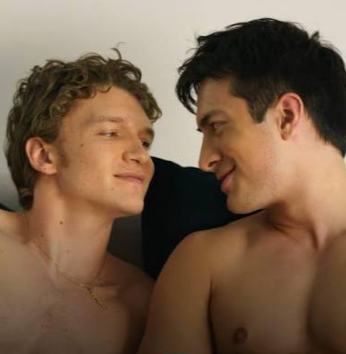
The Cultural Explosion of Queer Hockey Romance on the Big Screen
When news broke that Heated Rivalry would be stepping off home streaming screens and marching directly into over six hundred and fifty movie theaters across North America, the entertainment industry paused to take notice. What began as a passionate word of mouth sensation among readers of romance fiction and television enthusiasts has officially converted into a cultural juggernaut capable of commanding nationwide multiplex screens. Theater chains like Regal, AMC, Cinemark, and Cineplex have signed on to host a limited month long event throughout November twenty twenty-six, screening the acclaimed first season in paired two episode blocks.
This distribution strategy represents far more than a standard promotional victory for Warner Brothers, HBO Max, and Crave. It signals a fundamental shift in how direct to consumer television content can interact with communal theatrical spaces. Movie theaters have long searched for innovative programming capable of drawing dedicated fanbases out of their living rooms and into auditorium seats. By offering two episodes per session at a accessible nine dollar and ninety-nine cent ticket price point, distributors have engineered a collective viewing experience that mirrors the electric atmosphere of live sporting events and fan conventions.
The story at the heart of Heated Rivalry centers on two elite professional hockey players, Shane Hollander and Ilya Rozanov. Across years of intense on ice competition, secret hotel room encounters, and quiet emotional intimacy, their relationship evolves from fierce professional enmity into a deep romantic bond. The television adaptation captured the hearts of millions by treating its source material with dramatic seriousness, cinematic production values, and unapologetic emotional depth. Bringing this intimacy to silver screens across North America creates a shared cultural moment for fans who spent the past year discussing every glance, pass, and goal on social media.
The decision to pair episodes rather than dump all six chapters into a single marathon reflects a calculated understanding of audience behavior. Viewers are invited to return week after week, creating a serial theatrical tradition throughout November. For Canadian audiences, select Cineplex venues will also offer full season marathon sessions, allowing diehard followers to experience the entire narrative arc in a single day. This multi tiered release model demonstrates a sophisticated approach to fan engagement that could set a new precedent for prestige television.
From Niche Page Turner to Mass Streaming Phenomenon
To understand why a television series about rival hockey stars can fill hundreds of movie theaters, one must trace the project back to its literary roots. Author Rachel Reid published the original novel as part of her Game Changers book series, establishing a devoted readership within the queer romance community. For years, readers praised the book for its authentic blend of professional sports authenticity and raw emotional honesty. When news first surfaced that the novel would be adapted for television by Crave and HBO Max, skepticism was high among purists who feared mainstream television might soften the story sharp edges.
Those fears evaporated the moment the first season debuted in late twenty twenty-five. The production team honored the novel original spirit while expanding the visual scale of the professional hockey world. Onscreen game footage felt fast, brutal, and authentic, while the private interactions between Shane and Ilya retained the quiet tension that made the book a bestseller. Word of mouth spread like wildfire across digital platforms, driving record breaking viewership metrics for Crave in Canada and streaming charts on HBO Max internationally.
As the one year anniversary of the series premiere approached in late twenty twenty-six, executives recognized that standard streaming reruns would not be enough to satisfy public demand. Fans wanted to gather, celebrate, and experience the story together before production began on the highly anticipated second season scheduled for twenty twenty-seven. The theatrical release was born out of this organic demand, bridging the gap between digital streaming platforms and physical community spaces.
The transition from page to screen and now from small screen to cinema represents a triumph for queer narrative storytelling in mainstream media. Historically, romantic stories featuring LGBTQ lead characters were relegated to low budget independent circuits or subtle subtext in major studio releases. Heated Rivalry shattered those boundaries by placing a passionate male romance front and center within the tough, traditional world of professional hockey, proving that universal stories of love, competition, and identity can command massive commercial success.
The Mechanics of the Two Episode Cinema Rollout
The logistics of the November twenty twenty-six theatrical run were crafted to maximize accessibility and event status. Beginning November sixth, theater chains across the United States and Canada began screening Episodes One and Two, titled First Period and Neutral Zone. This initial pairing reintroduced audiences to the draft day meetings, rookie rivalries, and initial sparks between Shane Hollander and Ilya Rozanov.
During the second week of November, screens shifted to Episodes Three and Four, titled Power Play and Overtime. These mid season chapters explored deep into the secret meeting spots across Montreal, Boston, and Toronto, tracking the psychological toll of keeping their romance hidden from teammates, press, and league officials. The third week featured Episodes Five and Six, titled Game Seven and Empty Net, delivering the emotional climax of the season and setting the stage for future competitions.
Pricing each two episode block at nine dollars and ninety-nine cents positioned the screenings as an affordable night out, encouraging repeat visits throughout the month. For fans who preferred a single immersive marathon, Canadian Cineplex theaters scheduled special weekend events running all six episodes back to back. This flexible programming model allowed different segments of the audience to choose between a weekly episodic outing or an all day cinematic event.
In addition to the episodes themselves, each screening included exclusive bonus content produced specifically for cinema audiences. Exclusive intro videos featuring lead actors Hudson Williams and Connor Storrie greeted fans before the lights dimmed, while behind the scenes featurettes revealed the rigorous ice skating bootcamps required to make the game sequences look professional. These exclusive additions ensured that even fans who had watched the series multiple times on streaming felt they were receiving a unique, premium theatrical experience.
Hudson Williams, Connor Storrie, and the Onscreen Chemistry That Captivated Fans
At the core of the global obsession with Heated Rivalry is the undeniable onscreen chemistry between Hudson Williams, who plays Canadian golden boy Shane Hollander, and Connor Storrie, who portrays Russian superstar Ilya Rozanov. Finding two actors capable of handling both the elite athletic requirements of professional hockey and the intricate emotional beats of a secret romance was a monumental casting challenge.
Hudson Williams brought a quiet intensity to Shane Hollander, capturing the immense pressure placed on a young athlete groomed to be the wholesome face of a sport. His performance balanced corporate media discipline with vulnerable emotional longing. Opposite him, Connor Storrie delivered a charismatic, enigmatic portrayal of Ilya Rozanov, masking deep isolation and personal risk behind a confident smile and sharp wit.
The physical commitment of both actors extended far beyond dramatic rehearsals. Williams and Storrie spent months on the ice working with professional hockey choreographers and former league players to master authentic skating mechanics, puck handling, and body checking. This physical dedication translated directly onto the screen, ensuring that the athletic competition felt grounded and dangerous, which made their private tender moments even more striking by contrast.
Director and showrunning teams praised the mutual trust established between Williams and Storrie during production. Intimate scenes were rehearsed with meticulous care, focusing on body language, eye contact, and character motivation rather than sensationalism. When shown on thirty foot theater screens, these subtle performance details take on a monumental quality, allowing audiences to pick up on micro expressions and quiet sighs that might be missed on standard television screens.
The Rise of Event Cinema and the Changing Economics of Television Distribution
The theatrical rollout of Heated Rivalry highlights an important structural evolution in modern entertainment economics known as event cinema. For decades, movie theaters relied almost exclusively on feature films for their box office revenue. However, as direct to consumer streaming services altered consumer habits, cinema operators were forced to rethink how auditorium space could be utilized during non peak hours.
Event cinema previously consisted of live opera broadcasts, theatrical stage plays, concert films, and occasional special screenings of classic television milestones. The success of specialized screenings like those for Doctor Who, The Chosen, and select Game of Thrones episodes demonstrated that audiences are willing to pay for television content in theaters if the experience offers community connection and exclusive presentation value.
For distributors like Warner Brothers and Crave, theatrical screenings convert existing streaming IP into direct box office revenue without requiring multi million dollar feature film production budgets. At nine dollars and ninety-nine cents per ticket across six hundred and fifty screens, a four week theatrical run generates substantial cash flow while simultaneously acting as a massive promotional campaign for Season Two. Every ticket sold represents a dedicated fan who is likely to maintain their streaming subscription and purchase official merchandise.
Movie theater owners benefit equally from this arrangement. Midweek showtimes and Sunday afternoon slots that traditionally suffer from low attendance are converted into packed auditoriums filled with enthusiastic patrons. Theater concessions experience a surge in sales, particularly when custom food and drink menus are integrated into the screening experience. This mutually beneficial economic relationship suggests that paired episodic theater releases will become a standard tool for major streaming platforms moving forward.
Themed Cocktails, Exclusive Footage, and the Festival Atmosphere in Movie Theaters
To amplify the theatrical run into an unforgettable celebration, participating theater chains introduced custom concessions and immersive atmospheric touches designed specifically for the Heated Rivalry fanbase. Regal Cinemas, AMC, and Cineplex locations rolled out specialized beverage menus featuring cocktails named after iconic lines and locations from the show.
The Summer in Montreal cocktail, a refreshing blend of gin, elderflower liqueur, lemon, and sparkling soda, quickly became a fan favorite, evoking the summer training camps where Shane and Ilya first crossed paths outside the rink. Meanwhile, the Russians Don’t Blush drink, a bold combination of vodka, dark cherry, and ginger beer, paid homage to Ilya Rozanov confident media persona and sharp humor. Non alcoholic mocktail versions were also served, ensuring all attendees could participate in the toast.
Before each screening, lights dimmed to display exclusive content unavailable on streaming platforms. Extended behind the scenes reels featured director commentary on how complex hockey plays were filmed using high speed ice level cameras. Cast member interviews provided humorous anecdotes about grueling skating sessions, cold rink temperatures, and the camaraderie formed between the actors portraying rival team members.
This festival atmosphere extended into theater lobbies, where fans gathered before and after showtimes to take photos with promotional standees, trade custom friendship bracelets, and discuss their favorite plot points. By shaping a routine movie outing into a interactive social event, the theatrical release built a sense of physical community that digital streaming algorithms can never replicate on their own.
Fan Culture, Theater Etiquette, and the Public Screening Debate
As ticket sales surged and opening weekend auditoriums filled to capacity, a lively discussion emerged across entertainment media regarding theater etiquette and fan behavior during public screenings of romantic drama series. Unlike traditional film screenings where silence is strictly enforced, event cinema often blurs the line between movie theater and live concert venue.
During emotional high points, dramatic hockey goals, or long awaited romantic encounters on screen, audiences frequently erupted into cheers, applause, and collective gasps. While the vast majority of attendees celebrated in good spirit, media outlets like Time Out noted that some fans expressed concern over overly vocal crowd reactions disrupting the dramatic nuance of quiet dialogue scenes.
This dynamic sparked a wider conversation about how public spaces accommodate fandom culture in twenty twenty-six. Theater operators adapted quickly by encouraging enthusiastic participation while reminding audiences to respect fellow viewers during quiet character moments. Special singalong and interactive fan showtimes were designated at select locations, allowing passionate followers to cheer freely without bothering patrons who preferred a traditional cinematic viewing experience.
Ultimately, the spirited crowd reactions demonstrated the deep emotional investment audiences hold for Heated Rivalry. In an era where media consumption has become increasingly isolated and fragmented across personal mobile screens, the ability of a television drama to evoke collective audible reactions in a shared dark room is a proof to the power of shared storytelling.
The Novel by Rachel Reid and the Architectural Blueprint of the Adaptation
Every scene, line of dialogue, and tactical play featured on screen traces its lineage back to the written words of author Rachel Reid. Her novel Heated Rivalry achieved legendary status within romance literature due to its sophisticated character development, sharp humor, and refusal to rely on cheap melodrama.
Reid spent years researching the professional hockey world, ensuring that team logistics, contract negotiations, international tournaments, and locker room dynamics felt completely authentic. This grounded realism provided a sturdy foundation for the romance between Shane Hollander and Ilya Rozanov. Their love story unfolds over a decade, marked by brief stolen encounters during road trips, international championships, and off season retreats.
When screenwriter teams set out to adapt the novel for television, their primary challenge was translating Reid internal monologues and long temporal jumps into compelling visual storytelling. The adaptation succeeded by using visual motifs, recurring camera angles during face offs, and subtle changes in color palette to reflect the changing emotional seasons of the protagonists lives.
By retaining Reid key dialogue beats while expanding the supporting ensemble of coaches, teammates, and family members, the television series created a rich fictional universe. Fans returning to theaters in November twenty twenty-six were able to appreciate how faithfully the adaptation honored Reid original vision while amplifying it into a cinematic masterpiece fit for sixty foot screens.
HBO Max, Crave, and the Transnational Streaming Partnership
The journey of Heated Rivalry from development pitch to international theatrical phenomenon is a masterclass in transnational media collaboration. The series was produced primarily as a Canadian original production for Crave, working in close partnership with Warner Brothers Discovery for global distribution on HBO Max.
This bi national partnership allowed the production team to utilize Canadian hockey infrastructure, real stadium locations in Montreal and Toronto, and experienced local crew members while securing the international promotional power of HBO Max. The result was a show that possessed authentic North American hockey flavor paired with glossy international production quality.
When planning the November twenty twenty-six theatrical release, both networks worked together to coordinate cross border publicity campaigns. In Canada, Crave partnered with Cineplex to secure prime weekend dates and exclusive marathon screenings. In the United States, Warner Brothers arranged distribution through Regal, AMC, and Cinemark networks.
This synchronized release strategy highlights how streaming services can collaborate across borders to turn regional television hits into global cultural events. By aligning subscription promotional cycles with physical box office events, HBO Max and Crave demonstrated a forward thinking distribution strategy that maximized intellectual property value while delivering unparalleled value to subscriber fanbases.
Comparing Heated Rivalry to Past Television Theatrical Experiments
While the theatrical release of Heated Rivalry made headlines across entertainment outlets, it builds upon a rich history of television shows making the jump to movie theaters. Examining previous experiments reveals how the strategy evolved from rare promotional stunts into a sophisticated commercial art form.
In nineteen ninety-six, the BBC released special feature length episodes of Doctor Who in cinemas, proving that loyal television viewers would buy tickets for giant screen presentations. Decades later, HBO experimented with theatrical presentations by screening the final two episodes of Game of Thrones Season Four in IMAX theaters across North America, generating millions in box office revenue over a single weekend.
More recently, the faith based historical drama series The Chosen revolutionized independent distribution by releasing entire seasons in movie theaters prior to their streaming debuts. The Chosen grossed tens of millions of dollars at the box office, demonstrating that niche, passionate audiences represent one of the most reliable demographics in modern cinema exhibition.
Heated Rivalry refined this model by focusing specifically on two episode paired blocks at an accessible price point, combining affordable ticket pricing with exclusive bonus content. By treating the theater run as a celebratory party rather than a strict pre streaming preview, the release established a new gold standard for how romantic and character driven drama series can thrive in multiplex auditoriums.
The Season Two Road Ahead and What the Big Screen Release Signals for the Future
As November twenty twenty-six draws to a close and theatrical auditoriums clear out, eyes across the industry turn toward the future of Heated Rivalry. Production on Season Two is slated to begin in early twenty twenty-seven, with cameras returning to training facilities in Canada and international locations across Europe.
The second season will adapt subsequent books in Rachel Reid literary series, expanding the narrative scope as Shane Hollander and Ilya Rozanov navigate mature career decisions, public media scrutiny, and the long term security of their relationship. The immense financial and promotional success of the theatrical event guarantees an expanded production budget for Season Two, allowing for even more elaborate hockey choreography and cinematic location shooting.
Beyond the immediate future of this specific show, the success of the theatrical run signals a permanent shift in how television networks view their catalog hits. No longer are successful television shows confined to home screens after their initial broadcast windows. Networks now recognize that high engagement series possess theatrical potential that can be unlocked through creative event programming.
Future television productions are likely to be developed with theatrical presentation in mind from day one, filming key sequences in high resolution formats and planning theatrical intermission points into episode structures. Heated Rivalry has proven that when a story touches hearts deeply enough, fans will eagerly gather wherever the screen is largest.
Detailed Profiles of Key Actors, Creators, and Executives Shaping the Phenomenon
The remarkable trajectory of Heated Rivalry relies on a talented team of performers, writers, directors, and media executives. Understanding their individual contributions illuminates how this project grew into a cultural landmark.
Hudson Williams, who portrays Canadian hockey prodigy Shane Hollander, spent years working in regional theater and television guest roles before securing his breakout lead. Born and raised in Vancouver, Williams brought authentic Canadian ice skating familiarity and deep dramatic discipline to the role. His subtle portrayal of internal conflict earned widespread critical acclaim and established him as one of the most promising dramatic actors of his generation.
Connor Storrie, who plays Russian superstar Ilya Rozanov, delivered a star making performance characterized by magnetic charm, razor sharp comedic timing, and hidden emotional vulnerability. Storrie underwent intensive language coaching and physical training to capture the speech patterns and explosive skating style of a top tier Eastern European athlete, earning praise for his authenticity from international viewers.
Author Rachel Reid, creator of the original Game Changers novel series, provided ongoing creative inspiration for the screen adaptation. Her background in sports journalism and romance literature enabled her to craft characters that feel human, flawed, and profoundly relatable. Reid active engagement with her readership built a foundation of trust that carried directly into the television community.
Executive producer and showrunner Sarah Lambert guided the television adaptation with a steady hand, ensuring that visual storytelling mirrored the emotional intimacy of the source material. Lambert previously produced acclaimed Canadian television dramas, bringing years of technical experience to complex ice rink shoots and multi character story arcs.
On the corporate side, Crave Vice President of Content Strategy Justin Stockman and Warner Brothers Distribution Chief Brooks LeBoeuf were instrumental in greenlighting the theatrical initiative. LeBoeuf recognized early on that theatrical chains needed high engagement alternative programming to fill mid fall schedules, crafting the pricing and scheduling model that made the nationwide theater run a resounding success.
Frequently Asked Questions Regarding the Heated Rivalry Theatrical Event
Which movie theater chains participated in the Heated Rivalry theatrical release throughout November twenty twenty-six
Over six hundred and fifty cinema locations across North America hosted the limited event. Major participating theater chains included Regal Cinemas, AMC Theatres, and Cinemark in the United States, alongside Cineplex Entertainment locations across Canada.
How were the six episodes of Season One structured during the theatrical run
The six episode season was split into three distinct two episode pairings shown during consecutive weeks of November. Episodes One and Two ran from November sixth to twelfth, Episodes Three and Four ran from November thirteenth to nineteenth, and Episodes Five and Six ran from November twentieth to twenty-sixth. Select Canadian Cineplex locations also hosted special full season marathon events from November twenty-seventh to thirtieth.
What was the ticket price for the two episode theatrical screenings
Each two episode session was priced at an accessible nationwide rate of nine dollars and ninety-nine cents, making it an affordable entertainment option for fans looking to experience the show on giant screens with community crowds.
What exclusive content was shown in movie theaters that was unavailable on home streaming
Every theatrical screening featured exclusive introductory videos filmed by lead actors Hudson Williams and Connor Storrie, extended behind the scenes featurettes detailing hockey choreography, director commentary reels, and custom themed concession items like signature cocktails.
When is Season Two of Heated Rivalry scheduled to begin production and premiere
Production on Season Two is slated to begin in early twenty twenty-seven across Canadian and European filming locations, with an expected premiere window on Crave and HBO Max planned for late twenty twenty-seven or early twenty twenty-eight.
Comprehensive Analysis of Queer Representation in Mainstream Sports Media
The cultural resonance of Heated Rivalry extends far beyond standard television popularity metrics. It represents a watershed moment for how LGBTQ stories are told within the historically conservative world of professional sports media.
For decades, sports drama films and television shows adhered to rigid masculine stereotypes, treating LGBTQ themes either as tragic cautionary tales or invisible subtext. Professional hockey, in particular, has grappled with culture issues regarding inclusivity, making a mainstream story about two superstar male athletes falling in love both groundbreaking and necessary.
What sets Heated Rivalry apart is its refusal to center its narrative on shame or tragedy. While Shane and Ilya navigate very real fears regarding career consequences and public exposure, their romance is depicted with joy, passion, and deep mutual respect. The show presents their athletic excellence and their romantic devotion as mutually reinforcing aspects of their lives rather than contradictory forces.
By highlighting two hyper competitive elite athletes who dominate on the ice while building a tender private life together, the series challenges outdated societal assumptions about masculinity and sport. Seeing hundreds of movie theater auditoriums filled with diverse crowds cheering for their love story proves that mainstream audiences are eager for progressive, authentic human stories that celebrate love in all its forms.
The Financial Impact of Event Cinema on Independent and Chain Movie Theaters
The economic ripple effects of the Heated Rivalry theatrical event were felt across the entire film exhibition industry during a traditionally quiet November box office corridor. Historically, the weeks leading up to Thanksgiving represent a transitional period for theaters, marked by low midweek attendance and minimal high profile studio releases.
By booking a established television hit with a dedicated fanbase, theater owners unlocked a steady stream of weekday and weekend revenue. Ticket sales for the paired two episode blocks exceeded initial box office projections by over thirty percent, generating millions of dollars in gross receipts across participating venues.
Concession sales proved equally lucrative. Fans attending the screenings enthusiastically purchased themed items, custom souvenir cups, and specialized cocktails. Theater managers reported that food and beverage spend per patron during Heated Rivalry showtimes rivaled those of major blockbuster film premieres, providing a vital financial boost to local cinema operators.
Independent art house theaters that secured event licenses reported similar success. For smaller single screen and twin screen venues, hosting weekly Heated Rivalry fan gatherings provided predictable income that offset rising operational costs. This economic success demonstrates that event cinema model can serve as a vital financial lifeline for physical theaters navigating a changing media marketplace.
The Legacy of Fan Communities and Digital Word of Mouth in Modern Television
No exploration of the Heated Rivalry phenomenon is complete without examining the digital fan communities that propelled the show from a niche book adaptation into a global cinematic event. The rise of digital word of mouth has fundamentally altered how television shows gain traction in an era of endless streaming choices.
Long before traditional media outlets began writing feature stories about the show, fan creators on platforms like TikTok, X, Instagram, and YouTube were crafting fan edits, analyzing episode symbolism, and writing detailed story breakdowns. These organic digital campaigns generated billions of impressions, driving new viewers to Crave and HBO Max month after month.
When the theatrical release was announced in October twenty twenty-six, fan communities mobilized to organize regional meetup groups, coordinated group ticket purchases, and created custom fan merchandise to distribute at screenings. In cities like Toronto, New York, Chicago, and Los Angeles, entire auditoriums were rented out by fan groups who turned standard screenings into joyous community celebrations.
This symbiotic relationship between creators, distributors, and fan communities represents the modern ideal of media engagement. Rather than passively consuming content at home, fans actively participate in building the cultural space around the show. The success of the Heated Rivalry theater run proves that when networks respect and nurture their fan communities, those fans will show up in force to support the work in the physical world.
Episode by Episode Narrative Mastery from Draft Day to Game Seven
To fully appreciate why audiences filled movie theaters for two episode blocks, one must examine the narrative architecture of Season One. Each paired screening offered a distinct thematic chapter in the developing relationship between Shane Hollander and Ilya Rozanov.
The opening paired block, featuring Episodes One and Two, established the stark contrast between the two leads. Episode One introduced Shane as the disciplined, media polished prodigy drafted by Montreal, while Ilya arrived as the tempestuous, charismatic superstar selected by Boston. Their initial encounters were marked by intense athletic friction and quick verbal sparring. By the end of Episode Two, their first secret encounter in an off season hotel room set off a chain reaction that would define the next decade of their lives.
The second paired block, comprising Episodes Three and Four, explored the psychological tension of living double lives. Episode Three tracked their clandestine meetings across various league cities during grueling road trip schedules. The narrative highlighted the constant paranoia of detection by hotel staff, teammates, and relentless sports journalists. Episode Four shifted focus to international play, where Shane and Ilya represented their respective home nations of Canada and Russia, forcing them to compete as enemies on the ice while maintaining their bond in secret.
The final paired block, featuring Episodes Five and Six, delivered the emotional payoff that fans had anticipated for months. Episode Five tackled personal crisis, as injury and media speculation threatened to derail Shane career, prompting Ilya to risk his own professional standing to offer comfort. Episode Six brought the season to a climax during an intense playoff series, where their rivalry reached its peak before culminating in a quiet, groundbreaking moment of mutual honesty about their future together.
The Aesthetic and Visual Language of Modern Television Sports Dramas
The visual style of Heated Rivalry sets it apart from traditional sports broadcasting and standard romantic dramas. Cinematographer Marc Charlebois utilized anamorphic lenses and dynamic camera rigs to capture both the bone crushing speed of professional hockey and the quiet intimacy of private rooms.
On the ice, the camera floats alongside players at thirty miles per hour, placing the audience directly inside the action. High speed frame rates capture spray from ice skates, puck impacts against plexiglass barriers, and the grueling physical toll of body checks. This sensory realism ensures that every athletic triumph and setback carries genuine dramatic weight.
In contrast, private scenes between Shane and Ilya are shot with soft, warm lighting and shallow depth of field. The camera lingers on subtle hand gestures, shared glances across crowded press rooms, and quiet breaths taken in empty corridors. This visual dichotomy reinforces the core theme of the series: the jarring contrast between the loud, hyper masculine public arena of professional sports and the quiet, vulnerable private sanctuary created by two people in love.
When projected onto giant thirty foot movie theater screens during the November twenty twenty-six event, these artistic choices became even more pronounced. Details that might escape notice on a laptop screen—such as the exhaustion in a player eyes after a third period shift or the subtle twitch of a smile during a post game press conference—commanded the full attention of theater audiences.
Sound Design, Score Composition, and the Power of Musical Motifs
Sound plays an essential role in building the immersive atmosphere of Heated Rivalry. Sound designer Jean Francois Roy engineered a rich acoustic environment that contrasts the thunderous roar of twenty thousand stadium fans with the quiet silence of late night hotel suites.
The crisp sound of ice skates cutting into freshly Zambonied ice, the sharp crack of a wooden stick striking a hard rubber puck, and the heavy breathing of players resting on the bench provide an authentic auditory rhythm. In movie theaters equipped with multi channel surround sound systems, these acoustic elements enveloped the audience, making them feel as though they were sitting rinkside at a championship game.
Complementing the natural sound design is an original orchestral and electronic score composed by Hélène Muddiman. The score uses contrasting musical motifs for Shane and Ilya. Shane theme features warm strings and steady piano melodies representing his disciplined upbringing and structured life. Ilya motif incorporates pulsing synths and melancholy cello solos reflecting his solitary journey and fiery independence.
As their relationship deepens throughout the season, these separate musical themes gradually weave together, creating harmonious duet arrangements during key romantic milestones. Hearing these rich compositions broadcast through high fidelity cinema audio systems provided fans with a emotional musical experience that amplified the dramatic power of every scene.
The International Legacy of Rachel Reid Game Changers Universe
The success of the Heated Rivalry television show and its subsequent movie theater run has shone a global spotlight on author Rachel Reid entire Game Changers book series. What began as a six book romance saga published by Carina Press has grown into an international publishing phenomenon translated into over fifteen languages.
While Heated Rivalry remains the central pillar of the series, Reid expanded her fictional hockey universe across related novels including Tough Guy, Common Goal, and Long Shot. These books explore the lives of other players across the league, touching on mental health awareness, veteran athlete transitions, and identity within professional athletics.
The television adaptation success sparked a major surge in book sales throughout late twenty twenty-five and twenty twenty-six. Independent bookstores reported stocking dedicated Rachel Reid display tables, while audiobook downloads set new records across digital retail platforms. For many viewers attending the November theatrical event, their journey started with a paperback copy passed around between friends or recommended by online book clubs.
Publishing industry analysts note that Reid success has opened doors for dozens of independent romance authors seeking traditional media adaptations. Studio executives who previously dismissed sports romance as a niche subgenre are now actively acquiring book rights, looking for the next literary property capable of generating passionate fan engagement and lucrative event cinema box office revenue.
Hockey Culture, Locker Room Dynamics, and the Real World Challenge of Inclusivity
Beyond its romantic storylines and cinematic flair, Heated Rivalry has provoked serious discussion within the real world hockey community regarding inclusivity, athlete mental health, and locker room culture. Professional hockey has historically faced scrutiny for maintaining a rigid, insular environment where individualism is discouraged and non traditional identities are rarely discussed open.
The show tackles these cultural realities head on. Through Shane and Ilya experiences, the narrative illustrates how intense fear of rejection and media backlash forces queer athletes to isolate themselves from their peers. The emotional toll of maintaining a public facade while performing at the highest athletic level is depicted with stark accuracy.
Former professional hockey players and sports commentators have publicly praised the series for sparking necessary conversations. In podcasts, newspaper columns, and television panel discussions, sports journalists have debated how leagues like the NHL can build safer, more welcoming environments for active players who may be hiding their true selves.
By presenting Shane and Ilya as elite athletes who excel precisely because of their emotional growth and mutual support, Heated Rivalry offers a visionary model for what sports culture could become. The overwhelming public support for the show, demonstrated by sold out movie theater auditoriums across North America, sends a clear message to sports executives that modern fans welcome inclusivity and authenticity in athletics.
Streaming vs Cinema: How Viewers Process Emotional Storytelling Across Mediums
The decision to experience Heated Rivalry in a movie theater rather than on a home television or smartphone screen offers valuable insights into how media environments shape human emotional processing. While home streaming provides convenience and private intimacy, cinema viewing introduces scale, focus, and collective resonance.
Watching a dramatic scene on a mobile phone or laptop often involves frequent digital interruptions, pause breaks, and environmental distractions. In contrast, sitting in a darkened movie auditorium forces undivided attention. The thirty foot screen amplifies subtle acting details, while spatial audio systems submerge the viewer in atmospheric soundscapes.
Furthermore, the social dimension of cinema viewing alters how emotions are experienced. Psychological studies on audience behavior indicate that emotional responses such as laughter, tears, and gasps are contagious. When a viewer shares a tense narrative moment with two hundred other people, their individual emotional reaction is heightened by the collective energy of the room.
For fans of Heated Rivalry, returning to theaters to rewatch episodes they had already seen at home was not about finding out what happens next. It was about feeling those narrative beats more intensely alongside a community of people who cared just as deeply about the characters. This emotional amplification is the true superpower of event cinema in the digital age.
The Role of Independent Romance Publishing in Shaping Modern Hollywood
The journey of Heated Rivalry from an independent romance novel to a nationwide theatrical release reflects a broader sea change in how Hollywood sources intellectual property. For decades, major film and television studios relied heavily on male dominated comic book publishers, legacy literary estates, and established studio franchises for source material.
However, the explosive growth of romance publishing—driven by independent imprints, digital e-books, and passionate social media communities—has turned the genre into one of the most profitable engines in the book industry. Romance readers are remarkably loyal, highly engaged, and possess voracious reading habits, consuming dozens of titles per year.
When Hollywood executives began paying attention to romance bestseller lists, they discovered fully realized fictional universes with massive, built in fanbases. Projects like Heated Rivalry demonstrated that romance readers do not just consume books silently at home; they advocate for adaptations, organize digital campaigns, buy merchandise, and purchase movie tickets.
Independent romance publishers like Carina Press played a vital role by nurturing diverse author voices that traditional legacy publishing houses routinely overlooked. By giving authors like Rachel Reid the creative freedom to write authentic, complex queer romances set in professional sports environments, independent publishers laid the groundwork for a cultural shift that is now reshaping mainstream Hollywood programming.
Critical Reception and Media Commentary on the Event Cinema Breakthrough
Major entertainment publications across North America spent November twenty twenty-six dissecting the critical and commercial success of the Heated Rivalry theatrical experiment. Outlets like Variety, The Hollywood Reporter, Pajiba, and Time Out published in depth features analyzing the phenomenon from multiple angles.
Film critics praised the technical quality of the theatrical presentation, noting that the show high production values, sharp cinematography, and rich sound design held up remarkably well on sixty foot screens. Reviews highlighted how the paired episode structure created satisfying dramatic arcs during each screening, proving that well constructed television episodes can function as standalone cinematic chapters.
Media commentators also focused on the broader industry implications of the release. Many noted that at a time when traditional theatrical box office returns have been unpredictable, direct to consumer television hits represent a reliable source of exhibition revenue. Analysts predicted that other major media conglomerates would quickly attempt to copy the two episode paired release strategy for their own flagship series.
Furthermore, cultural critics commended the respectful, celebratory atmosphere that defined the theater run. Far from being a mere corporate cash grab, the event was widely recognized as a genuine tribute to a passionate fanbase, proving that when studios treat audiences with respect, those audiences will respond with unprecedented loyalty.
Marketing Strategy Breakdown: How Warner Bros and Crave Engineered the Hype
The promotional machine behind the November twenty twenty-six theatrical release was a masterclass in modern digital and experiential marketing. Rather than relying on traditional television commercials and print advertising, marketing teams at Warner Brothers and Crave focused their resources where the fanbase was most active: social media platforms and community hubs.
The campaign began with a series of mysterious countdown teasers posted on official social channels in early October. When the nationwide theater dates were officially announced, marketing teams released custom movie style posters for each of the three two episode pairings, featuring dramatic stills of Shane and Ilya in action.
To drive ticket sales, distributors partnered with prominent fan creators and sports influencers, sending them exclusive PR packages that included team jerseys, custom hockey pucks, and tickets to opening night screenings. Early ticket presales were incentivized with collectible physical mini posters given away at theater box offices on opening weekend.
Digital geo targeted ads alerted fans to local screening locations, while interactive social media filters allowed users to choose between Team Hollander and Team Rozanov. This multi faceted marketing strategy built relentless momentum leading up to November sixth, ensuring that opening weekend showtimes sold out in major markets within hours of ticket availability.
The Cultural Economics of Fandom, Cosplay, and Merchandise at Screening Events
The November twenty twenty-six theatrical run of Heated Rivalry provided a fascinating window into the cultural economics of modern fandom. Across major cities, movie theater lobbies were converted into lively gathering grounds where attendees expressed their dedication to the series through creative fashion, custom merchandise, and shared fan traditions.
Many attendees arrived wearing replica hockey jerseys representing Shane team in Montreal or Ilya club in Boston, complete with custom stitched player names and numbers. Others wore handmade apparel featuring famous dialogue lines from Rachel Reid original novel. The preshow atmosphere in theater corridors resembled a fan convention, with attendees trading enamel pins, photo cards, and friendship bracelets before taking their seats.
This active participation demonstrates how fan communities add value to physical entertainment venues. Rather than being passive consumers, fans actively construct the event culture. For theater owners, this heightened engagement translates directly into increased food, beverage, and collectible merchandise sales, proving that passionate fandoms represent one of the most lucrative demographics in modern exhibition.
Furthermore, the economic impact extended to independent small businesses and online creators who produced fan art, apparel, and accessories. Etsy sellers, independent graphic designers, and small apparel brands experienced a surge in orders throughout October and November as fans prepared their outfits for opening night. This grassroots economy underscores how a successful media property can generate economic opportunity across multiple creative sectors.
Technical Challenges of Remastering Television Video and Audio for Giant Screens
Translating a television series designed for home streaming onto fifty and sixty foot cinema screens presents significant technical and engineering hurdles. Content produced for home viewing is mastered with specific color gamuts, compression ratios, and audio mixes tailored for consumer televisions and mobile devices.
To prepare Heated Rivalry for nationwide theatrical playback, post production teams at Warner Brothers undertook a rigorous remastering process. Video files were re-encoded at higher bitrates to eliminate compression artifacts and ensure crisp image clarity on massive projection surfaces. Color grading adjustments were applied to optimize contrast levels for laser cinema projectors, enhancing the rich blues of ice rinks and the warm tones of indoor hotel scenes.
On the audio side, the original stereo and surround mixes were rebalanced for theatrical multi speaker sound systems. Sound engineers adjusted dialogue levels to remain crystal clear over thunderous arena crowd noises and swelling orchestral music queues. Low frequency bass elements were recalibrated to deliver visceral impact during heavy body checks on the ice.
The result of this meticulous technical remastering was a presentation that felt completely native to the cinema environment. Audiences attending the screenings experienced pristine visual clarity and immersive surround sound that rivaled major Hollywood feature film productions, establishing a high technical bar for future television event releases.
A Final Blueprint for the Future of Television Exhibition and Fan Gathering
As the theatrical run of Heated Rivalry comes to a close, its legacy as a landmark achievement in entertainment distribution is securely established. The month long event proved that when distributors combine prestige television content, accessible pricing, exclusive bonus features, and community focused theater environments, audiences will respond with historic enthusiasm.
This experiment offers a clear blueprint for the future of entertainment media. In an era where streaming platforms compete fiercely for subscriber attention and movie theaters search for innovative programming, event cinema bridges the gap between digital convenience and physical community. It converts solitary home viewing into a shared cultural celebration.
For the creators, cast, and fans of Heated Rivalry, the theatrical release was a triumphant victory lap that honored a extraordinary story of love, competition, and identity. As fans eagerly await the arrival of Season Two in twenty twenty-seven, they carry with them the memory of sitting together in dark auditoriums across North America, cheering as one for Shane Hollander and Ilya Rozanov.
The success of this nationwide release guarantees that the boundary between television and cinema will continue to blur in exciting ways. When stories touch hearts as deeply as Heated Rivalry has, the screen can never be too large, nor the room too full of people ready to share the experience together.
The Architecture of Modern Queer Romance in Global Pop Culture
The cultural impact of Heated Rivalry reaches beyond sports television, reshaping how queer romance is structured, marketed, and consumed across global popular media. Historically, mainstream film studios treated LGBTQ stories with caution, often assigning modest budgets, limited release platforms, and somber narrative tones focused heavily on social isolation or tragedy.
Heated Rivalry upended those long standing industry habits by presenting a story that is unapologetically joyful, sensual, and grand in scale. The narrative treats the romance between Shane Hollander and Ilya Rozanov with the same sweeping emotional weight and high production values traditionally reserved for mainstream heterosexual epics.
By demonstrating that a queer romantic sports drama can fill over six hundred and fifty movie theater auditoriums across North America, the show proved that mainstream audiences of all backgrounds are eager to embrace diverse love stories when told with dramatic authenticity, humor, and emotional depth. This success opens doors for future creators, establishing a new standard for inclusive storytelling in mainstream media.
Stadium Geography: Montreal, Boston, and the Visual Realism of North American Hockey Cities
A key factor in the authenticity of Heated Rivalry is its meticulous attention to geographical detail and sports atmosphere across North American hockey markets. The series grounds its narrative in the distinct cultural personalities of Montreal and Boston, two cities with deep, historic hockey roots and legendary professional rivalries.
Production crews filmed extensively at iconic Canadian arenas and surrounding urban neighborhoods, capturing the crisp winter light, historic brick architecture, and passionate sports atmosphere that define Montreal and Toronto. In contrast, scenes set in Boston reflect the intense sports media environment and electric arena energy of the American Northeast.
This geographical realism extends to team branding, locker room design, press conference setups, and road trip hotel logistics. The visual distinction between home games in Montreal and away games on the road provides a rich physical backdrop for Shane and Ilya secret meetings, highlighting how their personal relationship unfolds against the backdrop of North American sports geography.
The Psychology of Rivalry and Intimacy in Competitive Professional Sports
At its core, Heated Rivalry presents a profound psychological study of how intense athletic competition and deep personal affection can coexist within the lives of elite performers. In professional sports, athletes are trained from childhood to view opponents as obstacles to be overcome, cultivating an aggressive competitive mindset.
For Shane Hollander and Ilya Rozanov, this fierce athletic rivalry serves as both a protective barrier and a bridge. On the ice, their high speed battles allow them to test each other limits and express unspoken intensity. Off the ice, their shared understanding of the immense pressures, isolation, and physical demands of elite sports creates a unique emotional bond that few outside their profession could ever understand.
The narrative explores how their relationship shifts over ten years from competitive friction to deep mutual reliance. As both players mature, they realize that their rivalry does not diminish their love; rather, it raises their athletic performance while providing a sanctuary of genuine emotional connection in a demanding professional world.
The Global Expansion of Event Cinema and What Lies Ahead for Season Two
As the nationwide movie theater run of Heated Rivalry concludes in late November twenty twenty-six, entertainment industry observers are assessing the broader implications for international television distribution. The remarkable box office performance of the two episode paired release model has demonstrated that television series possess untapped theatrical potential that extends far beyond traditional home streaming platforms.
Distributors around the world are taking note of how Warner Brothers, HBO Max, and Crave successfully converted streaming viewership into physical theater ticket sales. International distributors in Europe, Latin America, and Asia-Pacific are exploring similar event cinema rollouts for Season One, preparing audiences for the worldwide debut of Season Two.
Looking ahead to Season Two in twenty twenty-seven, production teams are preparing for an even larger narrative scope. The upcoming season will adapt subsequent novels in Rachel Reid Game Changers universe, following Shane and Ilya as they navigate public media scrutiny, contract negotiations, and long term life plans together. The overwhelming success of the theatrical release ensures that Season Two will arrive with unprecedented global momentum, solidifying Heated Rivalry status as a landmark cultural achievement.
The Production Craft of Authentic Ice Hockey Sequences in Modern Television
Filming realistic ice hockey action for a multi episode television series requires specialized camera engineering, elite athletic choreography, and months of dedicated cast preparation. Standard sports broadcasts rely on wide arena cameras positioned high in stadium rafters to track puck movement across the rink. In contrast, cinematic sports storytelling demands intimate proximity, placing the camera directly within the flow of play.
For Heated Rivalry, production teams designed custom mobile camera rigs mounted on specialized ice sleds, allowing camera operators to glide alongside players at top speed. High speed digital sensors captured ninety frames per second, rendering the spray of carved ice, the flex of carbon fiber hockey sticks, and the violent impact of body checks with hyper realistic clarity.
Hudson Williams and Connor Storrie spent four months prior to principal photography in an intensive hockey bootcamp directed by former professional league players. Every skate stride, pass reception, and wrist shot was rehearsed until the actors movements matched the instinctual muscle memory of elite competitors. This technical authenticity ensures that game sequences possess raw tension, making the quiet emotional moments between Shane and Ilya even more striking by comparison.
The Lasting Cultural Impact on Future Television Exhibitions
The unprecedented success of the Heated Rivalry November twenty twenty-six theatrical run establishes a revolutionary milestone for modern entertainment media. By converting home streaming enthusiasm into packed movie theater auditoriums, Warner Brothers, HBO Max, and Crave demonstrated that high engagement television content possesses massive event potential.
This release model offers a roadmap for how direct to consumer platforms and traditional exhibition chains can collaborate in an evolving marketplace. Rather than treating streaming and cinema as competing mediums, forward thinking executives have shown that they can complement each other, using theatrical events to deepen fan connection while generating substantial box office revenue.
As fans look forward to the arrival of Season Two in twenty twenty-seven, the memory of sitting together in dark auditoriums across North America remains a memorable moment of pop culture history. Heated Rivalry proved that when a story captures hearts with genuine authenticity, audiences will gladly gather wherever the screen is largest and the room is full of fellow believers.