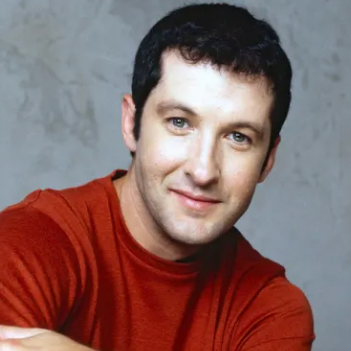
The Comedy World Mourns the Loss of Sitcom Star Anthony Clark
The entertainment industry and stand up comedy community experienced a profound sense of loss when news broke that actor and comedian Anthony Clark passed away at the age of sixty two. Known to millions of television viewers as the neurotic, deeply endearing Greg Warner on the hit CBS sitcom Yes Dear, Clark built a career defined by joyful performance, sharp observational wit, and an effortless ability to bring warmth to the screen. His passing on November tenth twenty twenty six left fellow performers, lifelong fans, and comedy club veterans reflecting on a multi decade journey that stretched from the intimate stages of Boston to the peak of network television.
His longtime co star and close personal friend Mike O’Malley shared the painful news with the public, posting a heartfelt tribute alongside behind the scenes photographs from the set of Yes Dear. O’Malley recalled meeting Clark back in the mid nineteen nineties on the Boston comedy circuit, where Clark was already a local legend selling out room after room. His tribute captured the essence of Clark’s appeal, describing him as a performer who possessed a truly singular voice—a comic who was constantly laughing alongside the audience at the utter absurdity of his own stories. That unvarnished authenticity became Clark’s hallmark, whether he was riffing in front of a brick wall at a local comedy cellar or anchoring a prime time television show for six seasons.
News of his passing brought a flood of remembrances from across the entertainment world. Comedians like Dane Cook, Jay Mohr, and Nick Swardson shared personal stories from their early touring days, portraying Clark as a master craftsman whose live sets were nothing short of force of nature events. Managers, network executives, and television writers who worked with him throughout his career echoed similar sentiments, remembering an artist whose generosity offstage matched his brilliant timing in front of the camera. As tributes continued to pour in, the collective picture that emerged was one of a gifted performer who dedicated his life to the art of making people laugh.
The loss felt particularly acute for those who grew up watching network television during the late nineteen nineties and early two thousands. During an era when family sitcoms dominated evening viewing habits across America, Clark provided a grounded, hilarious anchor on Monday nights. His portrayal of a young father navigating the everyday trials of marriage, suburban life, and quirky extended family connected with millions of households. Yet beyond the studio applause and network ratings lay a deeply committed artist whose roots remained firmly planted in live stand up comedy, a discipline he never abandoned even as Hollywood stardom beckoned.
The Early Years in Lynchburg Virginia and the Spark of Comedic Brilliance
Anthony Clark was born on April fourth nineteen sixty four in Lynchburg, Virginia, growing up in a region steeped in Southern history and tradition. From an early age, he exhibited a keen eye for human behavior and an innate ability to find humor in everyday situations. Friends and family members recalled a young boy whose quick mind and distinct vocal cadences could turn a routine family gathering into an impromptu comedy show. His upbringing in Virginia provided him with a rich history of observational material that would later form the bedrock of his stand up routines.
Growing up in the American South shaped Clark’s unique perspective on life, imparting a gentle, storytelling approach to his humor that contrasted sharply with the aggressive style prevalent in major metropolitan comedy rooms. Rather than relying on shock value or cynical punchlines, Clark developed an approach centered around relatable human vulnerability, self deprecating anecdotes, and a genuine delight in the absurdities of daily life. His Southern roots remained an active part of his persona throughout his career, giving his performance style an approachable, welcoming quality that made audiences feel like they were listening to a funny friend at a kitchen table.
During his formative years, Clark recognized that his true calling lay in the performing arts. He pursued his passion through high school theater productions and local talent highlights, constantly honing his timing and stage mechanics. His dedication led him to Emerson College in Boston, a renowned institution famous for cultivating generations of comedy writers, actors, and media personalities. Moving from Virginia to New England exposed the young performer to a vibrant, competitive artistic environment that challenged him to refine his craft and develop a distinct comedic identity.
At Emerson, Clark immersed himself in the local arts scene, surrounding himself with ambitious young performers who shared his passion for humor. The transition from the relaxed pace of Virginia to the fast paced, intellectually sharp atmosphere of Boston proved groundbreaking. It forced Clark to sharpen his material, adapt to diverse audiences, and build the physical and vocal stamina required for professional performance. By the time he completed his formal education, Clark was not merely an aspiring comic; he was a polished talent ready to take on one of the toughest comedy markets in the country.
The Golden Era of Boston Comedy and the Faneuil Hall Legend
During the late nineteen eighties and early nineteen nineties, Boston was widely regarded as one of the most intense, high stakes testing grounds for stand up comedy in North America. Venues like The Comedy Connection at Faneuil Hall, Stitches, and Catch a Rising Star were legendary incubators of raw talent, generating a relentless stream of headliners who would go on to shape modern popular culture. To succeed in Boston required more than clever writing; it demanded total audience control, fearlessness, and an undeniable stage presence. It was into this crucible that Anthony Clark plunged with boundless energy.
Within a short period, Clark established himself as a dominant force on the Boston circuit. His sets at Faneuil Hall Comedy Connection became legendary among fellow comics and local comedy lovers alike. He possessed a rare ability to explode onto the stage with energy, grabbing the room’s attention within seconds and maintaining a relentless pace of laughs for an entire hour. His signature style involved a blend of animated physical comedy, vocal impressions, and a self amused chuckle that invited the audience directly into his thought process.
Fellow comedians who shared the bill with Clark during those formative years spoke of his live sets with reverence. Dane Cook recalled watching Clark perform at Faneuil Hall, describing him as one of the most devastatingly funny live acts he had ever witnessed. Cook noted that Clark would walk on stage and obliterate the room with such effortless mastery that it left younger comics questioning their own ability to compete. Jay Mohr similarly remembered Clark’s performances at Stitches, observing that no one could match his explosive energy or his ability to reduce a room to tears of laughter.
Beyond his technical brilliance on stage, Clark became a central figure in the camaraderie of the Boston comedy community. He served as a mentor and generous headliner to younger acts who were just finding their footing. Comedian Nick Swardson frequently spoke about his early days opening for Clark, recalling endless highway drives, post show diners, and non stop laughter. Clark’s willingness to champion young talent created a legacy of gratitude that persisted decades after those early club dates ended, cementing his reputation as a true comic’s comic.
The Breakthrough on National Television and HBO Young Comedians Special
By the mid nineteen nineties, word of Anthony Clark’s phenomenal club success in Boston had spread throughout the entertainment industry, attracting the attention of talent scouts, casting directors, and television producers in Los Angeles and New York. The transition from regional live sensation to national television personality began in earnest when he was selected to perform on high profile comedy highlights. His national television debut highlighted a young artist fully in command of his material, comfortable in front of multi camera setups, and completely unaffected by the glare of studio lighting.
A decisive turning point in Clark’s career arrived in nineteen ninety five when he was selected to appear on HBO’s prestigious Young Comedians Special. Hosted by comedy icon Garry Shandling, the special served as the industry’s premier launchpad for exceptional breakthrough talent. The lineup for that historic broadcast featured a lineup of future comedy titans, including Dave Chappelle, Dave Attell, and Louis C.K. Standing shoulder to shoulder with this extraordinary group, Clark delivered a standout performance that captured his signature blend of boyish charm, energetic storytelling, and infectious laughter.
His segment on the HBO special demonstrated to industry executives that his unique brand of humor translated smoothly to home viewers. His material, which touched on family dynamics, dating misadventures, and the culture shock of moving from the rural South to urban New England, highlighted an artist with broad demographic appeal. The broadcast generated immediate buzz across Hollywood, establishing Clark as one of the most promising young comedic actors of his generation and opening doors to major network development deals.
Following the success of the HBO highlight, Clark made guest appearances on popular late night talk shows and televised comedy galas. Bookers valued his reliability and his ability to deliver high energy sets that invigorated studio audiences. These appearances reinforced his growing reputation as an effortless performer who could step into any setting and generate genuine, unforced hilarity. With national visibility secured and critical momentum behind him, Clark was primed to make the leap into prime time network television.
Boston Common and the Era of Mid Nineties Network Sitcoms
In nineteen ninety six, NBC greenlit the prime time sitcom Boston Common, providing Anthony Clark with his first starring vehicle on a major television network. Created by David Kohan and Max Mutchnick—who would later gain widespread acclaim as the creators of Will and Grace—the series was specifically designed to capitalize on Clark’s charm, distinctive vocal delivery, and Boston comedy pedigree. Set against the backdrop of a fictional New England university, the show placed Clark front and center as Boyd Pritchett, a friendly, well intentioned young man from Virginia who relocates to Boston to protect his younger sister.
The premise of Boston Common allowed Clark to draw directly upon his personal life experiences as a Southern transplant adapting to life in New England. As Boyd Pritchett, Clark brought a warm, naive sincerity to the role that contrasted hilariously with the cynical, fast paced academic environment around him. The ensemble cast featured talented performers including Hedy Burress as his sister Wyleen, Traylor Howard as his romantic interest Joy, and Vincent Ventresca as a pompous professor. Clark’s natural charm held the show together, anchoring the comedic storylines with genuine heart.
Broadcast during the peak era of NBC’s Mustang Thursday and Must See TV comedy lineups, Boston Common debuted to strong viewership numbers. Audiences embraced Clark’s portrayal of a lovable underdog navigating work, romance, and family obligations in a big city. His performance demonstrated that he was far more than a talented stand up comic delivering punchlines; he possessed genuine acting chops, believable emotional vulnerability, and an ability to build long term character arcs that kept viewers returning week after week.
Although Boston Common ran for two seasons and thirty two episodes before completing its broadcast run, it firmly established Clark as a reliable prime time lead. Television critics praised his relaxed screen presence, comparing his comedic rhythm to classic sitcom stars of previous decades. For Clark, the experience provided invaluable training in the fast paced discipline of weekly network television, preparing him for the even greater multi season success that lay ahead on the horizon.
Soul Man and Network Comedy Versatility
Following the conclusion of Boston Common, Anthony Clark’s standing in Hollywood remained high, leading quickly to another major network television opportunity. In nineteen ninety seven, ABC cast Clark in a co starring role on the sitcom Soul Man, a spin off of the highly successful series Home Improvement. Created by Carmen Finestra, David McFadzean, and Matt Williams, the show starred legendary film icon and Saturday Night Live alumnus Dan Aykroyd as Reverend Mike Weber, a widowed Episcopal priest raising four children in suburban Michigan.
Clark was cast as Reverend Todd Tucker, a young, eager, and somewhat uptight assistant minister assigned to work alongside Aykroyd’s unorthodox, motorcycle riding character. The dynamic between the two actors generated immediate comedic sparks. Clark’s nervous energy and strict adherence to church protocol served as the perfect foil for Aykroyd’s relaxed, improvisational style. Playing opposite a comedy veteran of Aykroyd’s stature required quick reflexes and supreme confidence, both of which Clark displayed effortlessly across the show’s run.
Working on Soul Man highlighted Clark’s versatility as an ensemble player. Rather than carrying the entire emotional weight of the show as he had in Boston Common, he demonstrated an ability to steal scenes with precise comedic timing, subtle facial expressions, and flawless physical reaction comedy. His portrayal of Reverend Todd Tucker added rich texture to the series, earning praise from television critics who noted his ability to hold his own alongside one of cinema’s most famous comedic actors.
The series ran for two seasons and twenty five episodes on ABC, further solidifying Clark’s position as a staple of network television comedy in the late nineteen nineties. Beyond the ratings and industry experience, Soul Man broadened Clark’s professional network, connecting him with senior writers, directors, and producers who recognized his work ethic and consistency. By the close of the decade, Clark had built a formidable resume that positioned him perfectly for the biggest role of his life.
The Rock and Notable Silver Screen Cameos
While Anthony Clark gained widespread fame primarily through his stand up comedy and starring television roles, his career also included memorable appearances in major feature films. Directors and casting agents frequently sought Clark out for character roles that required instant charm, distinct vocal personality, and flawless comedic timing. His filmography, though selected alongside his television commitments, demonstrated his ability to make a lasting impression even in brief screen appearances.
One of his earliest feature film credits came in the nineteen ninety one military drama Dogfight, directed by Nancy Savoca and starring River Phoenix and Lili Taylor. Clark followed this with a supporting role in the nineteen ninety three musical drama The Thing Called Love, directed by legendary filmmaker Peter Bogdanovich. Set in the aspiring country music scene of Nashville, Tennessee, the film featured an extraordinary young cast including River Phoenix, Sandra Bullock, Dermot Mulroney, and Samantha Mathis. Clark’s performance added warmth and humor to the narrative, highlighting his natural comfort in ensemble movie casts.
However, Clark’s most famous and widely recognized feature film cameo arrived in Michael Bay’s nineteen ninety six blockbuster action thriller The Rock. Starring Sean Connery, Nicolas Cage, and Ed Harris, the film became one of the highest grossing action movies of the decade. Clark appeared in a memorable comedic scene set inside a luxury hotel suite in San Francisco, playing Paul, a nervous, flamboyant hotel barber tasked with giving Sean Connery’s character a haircut and shave while federal agents watch nervously.
The scene between Clark and Sean Connery provided a hilarious moment of comedic relief amidst the film’s relentless action sequences. Clark’s frantic reactions, delicate hand movements, and comedic banter with Connery demonstrated his ability to steal a scene alongside a legendary Academy Award winning movie icon. The cameo became a favorite among film fans, highlighting how Clark could leave an indelible mark on a massive Hollywood production with just a few minutes of screen time.
Becoming Greg Warner on the CBS Hit Sitcom Yes Dear
In the autumn of two thousand, Anthony Clark embarked on the defining chapter of his television career when CBS premiered the multi camera sitcom Yes Dear. Created by Alan Kirschenbaum and Greg Garcia—who would later create My Name Is Earl—the show centered on two young couples with radically different parenting styles and life philosophies living under the same roof in Los Angeles. Clark was cast in the central lead role of Greg Warner, a hard working, highly neurotic executive at a movie studio film commission.
The premise of Yes Dear revolved around the contrasting dynamics between the two households. Greg Warner and his wife Kim, played by Jean Louisa Kelly, were meticulous, safety obsessed, and eager to raise their young son by the book. Their orderly lives were upended when Kim’s easygoing sister Christine, played by Liza Snyder, and her husband Jimmy Hughes, played by Mike O’Malley, moved into Greg’s guesthouse with their two boys. The resulting clash between Greg’s uptight, structured world and Jimmy’s relaxed, blue collar approach provided an endless fountain of comedy.
Clark’s performance as Greg Warner was a masterclass in neurotic comedic acting. He brought a frantic, hyper articulate energy to the character, whether he was obsessing over lawn maintenance, panicking over minor domestic issues, or attempting to maintain control over his home environment. Yet beneath Greg’s exasperated exterior, Clark infused the character with deep affection for his family, ensuring that viewers remained emotionally invested in his journey as a father and husband.
Yes Dear proved to be a massive commercial success for CBS, becoming an anchor of the network’s Monday night comedy lineup alongside Everybody Loves Raymond and Two and a Half Men. The series ran for six successful seasons and one hundred and twenty two episodes, concluding its run in two thousand and six. For Clark, playing Greg Warner represented the pinnacle of television stardom, cementing his status as one of the most recognizable and beloved faces on American network television during the early two thousands.
The On Screen Chemistry Between Greg Warner and Jimmy Hughes
At the absolute heart of Yes Dear’s six season success was the extraordinary, effortless comedic chemistry between Anthony Clark and Mike O’Malley. The dynamic between the neurotic, suit wearing Greg Warner and his free spirited, beer drinking brother in law Jimmy Hughes generated the central conflict that drove the narrative forward. While the two characters were polar opposites in their lifestyle choices, leisure activities, and parenting philosophies, their underlying mutual respect created a genuine brotherhood on screen.
Clark and O’Malley brought out the absolute best in each other’s performance styles. Clark’s rapid fire, anxious vocal delivery served as the perfect counterbalance to O’Malley’s booming, confident, and physical comedic presence. Scenes featuring the two actors scheming, arguing over domestic chores, or embarking on misadvised suburban adventures were consistently highlighted as the show’s strongest moments. Whether they were building an overly complex backyard treehouse or attending a sporting event, their timing was remarkably sharp.
Off screen, Clark and O’Malley forged a deep, lasting friendship that mirrored their television partnership. Having both come up through the competitive Boston stand up comedy circuit in the nineteen nineties, they shared a mutual respect for the craft of live comedy. O’Malley frequently noted that their shared background gave them a shorthand language on set, allowing them to adjust comedic beats on the fly during live audience tapings and heighten the script material beyond what was written on the page.
That genuine personal bond connected strongly with television audiences, turning Greg and Jimmy into one of the era’s most memorable sitcom duos. Long after the series wrapped production in two thousand and six, Clark and O’Malley remained close friends, maintaining regular contact and speaking warmly of their time together on set. When O’Malley announced Clark’s passing twenty years after the show ended, he paid tribute not just to a former co star, but to a brother in comedy whose shared moments on stage and screen remained unforgettable.
Hosting Last Comic Standing and Returning to Stand Up Roots
Following the conclusion of Yes Dear in two thousand and six, Anthony Clark returned directly to his roots in the stand up comedy world. That same year, NBC selected him to host the fourth season of the popular reality competition series Last Comic Standing. The show, which searched for America’s next breakout comedy talent through nationwide auditions and performance challenges, provided Clark with a platform to re engage directly with the live stand up community he had loved since his youth.
As host of Last Comic Standing, Clark brought a warm, empathetic presence to the broadcast. Having navigated the arduous journey from open mic performer to national television star himself, he possessed a deep understanding of the pressures facing the contestants. Rather than acting as a distant television master of ceremonies, Clark offered genuine encouragement, behind the scenes advice, and relatable humor to the competing comics as they navigated high stakes elimination rounds.
His hosting tenure allowed audiences to see Clark back in his natural element—unscripted, quick on his feet, and interacting live with crowds. He introduced featured segments with infectious enthusiasm, riffed with guest judges, and eased tension backstage during intense competition moments. His presence brought stability and positive energy to the fourth season, reminding television viewers of his roots as an elite stand up talent.
Beyond television hosting duties, Clark resumed touring live comedy clubs and theaters across the country. Performing headline sets at major venues, he reconnected with long time fans who appreciated his classic observational style. Returning to the intimate environment of live comedy clubs allowed Clark to craft new material, test ideas in real time, and enjoy the pure, immediate feedback that only a live audience can provide.
Industry Tributes and Personal Memories from Peers and Friends
When news of Anthony Clark’s passing at age sixty two spread in November twenty twenty six, the response from the comedy and acting communities was immediate and heartfelt. Colleagues, lifelong friends, and industry veterans flooded public platforms with personal recollections, photos, and tributes celebrating a man whose impact reached far beyond his credits. The recurring themes in every remembrance were his infectious laughter, unshakeable generosity, and remarkable comic timing.
Mike O’Malley led the tributes, sharing photos from their final week of filming Yes Dear and reflecting on their thirty year bond. O’Malley recalled first seeing Clark perform in Boston when they were both young, describing how Clark’s self amused chuckle and absurd observations made him an instant fan before they ever became friends. He revealed that he had spoken with Clark just three weeks prior to his death, noting that Clark had him laughing loudly once again during what would be their final phone conversation.
Greg Garcia, the co creator and executive producer of Yes Dear, spoke warmly of their ongoing friendship, revealing that he and Clark reconnected regularly and spoke on the phone every single month. Garcia described Clark as possessing the most uniquely hilarious mind of anyone he had ever known, sharing that Clark had recently offered him enthusiastic encouragement when Garcia decided to try stand up comedy for the first time. Their final conversations, held just weeks before Clark’s death, were filled with laughter and stories.
Fellow Boston comedy alumni paid emotional tributes to Clark’s live prowess. Dane Cook shared a moving reflection on performing alongside Clark at the Faneuil Hall Comedy Connection, declaring him one of the absolute greatest live acts he had ever seen. Jay Mohr similarly recalled Clark’s legendary headline sets at Stitches in Boston, stating that no comic destroyed a room quite like Tony. Comedian Nick Swardson, one of Clark’s closest personal friends who opened for him on tour for years, shared a touching tribute honoring their years of non stop laughter and brotherhood.
The Pneumonia Complications and Final Days in November Twenty Twenty Six
Anthony Clark passed away on Tuesday, November tenth, twenty twenty six, at the age of sixty two, following complications related to pneumonia. His passing was officially confirmed the following day through statements from his former co star Mike O’Malley and his longtime manager Barry Katz. The sudden loss of a performer who had brought so much joy and laughter to millions came as a shock to fans and colleagues across the entertainment world.
His manager Barry Katz paid tribute to Clark’s lasting legacy, describing him as one of the most naturally talented and funny actors he had ever had the privilege to represent. Katz emphasized that Clark’s undeniable joy, happiness, and love were contagious to everyone he worked with, leaving an indelible imprint on audiences blessed to see his performances. Those who knew him best noted that even in his later years, Clark maintained his passion for comedy and his signature warmth toward friends.
In the days following his death, fans turned to streaming platforms, archival video clips, and television reruns to revisit Clark’s memorable work. Episodes of Yes Dear, clips from Boston Common, and his classic stand up routines circulated widely across social media networks, as a new generation of comedy fans discovered his unique vocal style and physical comedy. The outpouring of affection served as a proof to the lasting power of his artistic contributions.
Anthony Clark leaves behind a rich legacy of laughter spanning nearly three decades across stand up stages, feature films, and beloved television series. From his early days headlining sold out comedy clubs in Boston to anchoring prime time network sitcoms watched by millions, he remained true to his core identity as a performer whose highest calling was bringing happiness into the lives of others. His warmth, infectious laugh, and timeless comedic work ensure that his memory will live on in the hearts of fans for generations to come.
Frequently Asked Questions Regarding the Life and Career of Anthony Clark
How old was Anthony Clark at the time of his death and what was the cause? Anthony Clark passed away at the age of sixty two on November tenth twenty twenty six. The cause of death was reported as complications related to pneumonia. His passing was publicly confirmed by his former Yes Dear co star Mike O’Malley and his longtime manager Barry Katz.
What was Anthony Clark’s most famous television role? Anthony Clark was best known for his lead role as Greg Warner on the hit CBS sitcom Yes Dear, which aired for six seasons and one hundred and twenty two episodes from two thousand to two thousand and six. He starred opposite Jean Louisa Kelly as his wife Kim, Mike O’Malley as his brother in law Jimmy Hughes, and Liza Snyder as Christine Hughes.
Where did Anthony Clark begin his stand up comedy career? Anthony Clark began his stand up comedy career in Boston during the late nineteen eighties and early nineteen nineties. He became a headline attraction at famous local comedy venues such as The Comedy Connection at Faneuil Hall and Stitches, selling out shows and gaining a reputation as one of the region’s most explosive live performers.
What other television shows and movies did Anthony Clark appear in? In addition to Yes Dear, Clark starred as Boyd Pritchett in the NBC sitcom Boston Common from nineteen ninety six to nineteen ninety seven, played Reverend Todd Tucker on the ABC series Soul Man alongside Dan Aykroyd from nineteen ninety seven to nineteen ninety eight, and hosted Season 4 of NBC’s Last Comic Standing in two thousand and six. His film credits include The Rock in nineteen ninety six, The Thing Called Love in nineteen ninety three, and Dogfight in nineteen ninety one.
Who paid tribute to Anthony Clark after his death? Numerous actors, writers, and fellow comedians paid emotional tributes to Anthony Clark following his passing. Notable tributes came from his Yes Dear co star Mike O’Malley, series creator Greg Garcia, comedians Dane Cook, Jay Mohr, and Nick Swardson, as well as his longtime talent manager Barry Katz.
Master Comparative Breakdown of Anthony Clark Network Television Shows
Network Sitcom Boston Common Role Portrayed Boyd Pritchett, a warmhearted Virginian adapting to New England college life Broadcast Network NBC Air Years Nineteen Ninety Six to Nineteen Ninety Seven Co Stars Hedy Burress, Traylor Howard, Vincent Ventresca Primary Legacy Established Clark as a prime time network lead capable of anchoring a series
Network Sitcom Soul Man Role Portrayed Reverend Todd Tucker, an eager and uptight assistant minister Broadcast Network ABC Air Years Nineteen Ninety Seven to Nineteen Ninety Eight Co Stars Dan Aykroyd, Courtney Peldon, Helen Cates Primary Legacy Highlighted Clark’s versatility in an ensemble cast opposite a Hollywood icon
Network Sitcom Yes Dear Role Portrayed Greg Warner, a neurotic film commission executive and dedicated father Broadcast Network CBS Air Years Two Thousand to Two Thousand and Six Co Stars Jean Louisa Kelly, Mike O’Malley, Liza Snyder Primary Legacy Definitive multi season hit running one hundred and twenty two episodes over six seasons
Reality Competition Last Comic Standing Role Portrayed Television Series Host for Season Four Broadcast Network NBC Air Year Two Thousand and Six Co Stars Featured comedy contestants and guest judges Primary Legacy Highlighted Clark’s unscripted hosting ability and live audience engagement
Biographical Profiles of Key Figures in the Life of Anthony Clark
Mike O’Malley Mike O’Malley was Anthony Clark’s primary co star on Yes Dear, playing his brother in law Jimmy Hughes across six seasons and one hundred and twenty two episodes. The two actors first met on the Boston comedy circuit in the mid nineteen nineties, where O’Malley was a fan of Clark’s headlining stand up routines before they became close friends. Their authentic off screen friendship provided the foundation for their remarkable on screen chemistry. Following Clark’s passing in November twenty twenty six, O’Malley paid a moving tribute to his friend, sharing behind the scenes photographs and fond memories of their thirty year relationship.
Greg Garcia Greg Garcia served as the executive producer and co creator of Yes Dear alongside Alan Kirschenbaum, later gaining widespread acclaim as the creator of My Name Is Earl and Raising Hope. Garcia developed a close bond with Clark during the six season run of Yes Dear, praising Clark’s unique comic mind and extraordinary instincts. The two maintained a close personal friendship long after the show ended, speaking on the phone every single month. Garcia recalled that Clark had offered enthusiastic encouragement when Garcia recently attempted stand up comedy for the first time.
Nick Swardson Nick Swardson is an acclaimed stand up comedian, actor, and writer who was one of Anthony Clark’s closest personal friends. During the late nineteen nineties and early two thousands, Swardson served as Clark’s regular opening act on national comedy club tours. The two spent years traveling together, sharing non stop laughter and memorable experiences on the road. Following Clark’s passing, Swardson shared a heartfelt social media tribute honoring his longtime best friend and thanking him for years of mentorship and brotherhood.
Barry Katz Barry Katz is a veteran talent manager, producer, and podcast host who represented Anthony Clark throughout his professional career. Katz managed Clark during his transition from Boston comedy clubs to network sitcom stardom on Boston Common and Yes Dear. Following Clark’s passing, Katz issued a public statement honoring Clark as one of the funniest and most genuinely joyful performers he had ever represented, emphasizing the happiness Clark brought to audiences and colleagues alike.
The Lasting Influence of Nineteen Nineties Boston Comedy on Modern Stand Up
The Boston comedy scene of the late nineteen eighties and nineteen nineties occupies a legendary position in the history of American popular entertainment. Known for its demanding crowds, intimate club environments, and fierce competitive atmosphere, Boston served as a proving ground that forged some of the most influential comedic minds of a generation. Comedians who sharpened their skills in Boston developed a distinct work ethic characterized by high energy, fearlessness on stage, and an uncompromising commitment to crowd engagement. Anthony Clark stood as one of the definitive products and champions of this golden era.
At venues like The Comedy Connection at Faneuil Hall, Stitches, and Nick’s Comedy Stop, comics performed multiple sets a night in front of working class audiences who demanded immediate hilarity. There was no tolerance for self indulgent material or hesitation. Performers had to command the room within seconds of taking the microphone. Clark excelled in this high pressure environment, developing a physical, animated style that could turn an indifferent crowd into a roaring audience. His ability to laugh along with his own stories created a unique sense of shared joy that set him apart from more aggressive or cynical contemporaries.
The influence of that Boston cohort extended far beyond the local clubs, reshaping national television and film comedy throughout the late nineties and two thousands. Performers who emerged from that era brought a street smart, highly disciplined approach to network sitcoms, late night talk shows, and film sets. Clark’s success on Boston Common and Yes Dear demonstrated how the raw authenticity cultivated in New England comedy cellars could be successfully adapted for prime time broadcast networks without losing its vital spark.
Today, comedy historians and veteran performers point to the Boston scene as a vital bridge between traditional vaudeville style showmanship and modern observational stand up. The lasting legacy of performers like Anthony Clark lies not only in their individual television achievements, but in the standard of live excellence they established. Their dedication to the craft of stand up comedy continues to inspire new generations of performers who view the Boston tradition as the ultimate benchmark for live stage performance.
The Evolutionary Arc of Network Family Sitcoms in the Early Two Thousands
The early two thousands represented a dynamic, transitional period in the history of American broadcast television. As cable networks and early digital media began to fragment viewing habits, prime time network sitcoms remained the primary cultural touchstone for millions of American families. Shows aired during this era reflected shifting social dynamics, exploring the evolving responsibilities of marriage, dual income households, and modern parenting styles. CBS’s Yes Dear, anchored by Anthony Clark, stood as a classic example of this evolutionary arc.
Unlike earlier generations of family sitcoms that presented idealized, sanitized visions of suburban life, early two thousands comedies embraced the messy, chaotic realities of raising young children. Yes Dear tapped directly into this cultural mood by contrasting two opposing philosophies of adulthood. Greg and Kim Warner represented the anxious, perfectionist, rule following approach to parenting, while Jimmy and Christine Hughes embodied a relaxed, pragmatic, and uninhibited lifestyle. This juxtaposition allowed the show to explore real domestic anxieties through a lens of affectionate humor.
Central to the success of Yes Dear was its ability to balance traditional multi camera comedy mechanics with fresh, relatable character dynamics. Multi camera sitcoms filmed in front of live studio audiences required actors possessing theatrical presence, rapid timing, and the ability to feed off crowd energy. Clark’s background as a seasoned stand up headliner made him uniquely suited for this format. His physical comedy, vocal flexibility, and expressive facial reactions heightened standard domestic setups into memorable comedic highlights.
Looking back at the broadcast TV field of the two thousands, Yes Dear occupies a cherished space alongside contemporaries like Everybody Loves Raymond, King of Queens, and Malcolm in the Middle. These series provided comfort, laughter, and a sense of shared community during a decade of rapid cultural and technological change. Clark’s contribution to this golden era of CBS comedy ensured that his work remains an lasting part of American television heritage.
Preserving the Legacy of an Unforgettable American Comedian
Preserving the memory and artistic contributions of Anthony Clark is an important endeavor for comedy enthusiasts, television historians, and the millions of fans who found joy in his work. In an industry often prone to rapid shifts in trends and short cultural memories, Clark’s body of work stands as a proof to the lasting power of genuine warmth, authentic craft, and clean, joyful humor. His career demonstrated that an artist can achieve major mainstream success while remaining universally respected by fellow performers.
Digital archives, streaming syndication, and social media platforms play a vital role in keeping Clark’s work accessible to contemporary audiences. Full episodes of Yes Dear, rare clips from Boston Common, and recorded stand up routines from his touring days continue to attract viewers online. Comments on these videos reflect deep nostalgia from long time fans alongside fresh appreciation from younger viewers discovering his brilliant timing for the first time. His work continues to provide comfort and laughter, proving that great comedy transcends the era in which it was created.
Beyond his filmed performances, Clark’s legacy lives on through the personal stories and memories shared by those who knew him best. The heartfelt tributes from Mike O’Malley, Greg Garcia, Dane Cook, Nick Swardson, and Barry Katz highlight a life lived with generosity, laughter, and deep loyalty to friends. Their recollections paint a picture of a man whose primary motivation was bringing happiness to others, both on the grand stage of network television and in the quiet moments behind the scenes.
As time passes, Anthony Clark will be remembered as a true master of American comedy—a Southern storyteller who conquered the tough Boston club scene, anchored one of the decade’s most successful network sitcoms, and left an unblemished record of bringing joy into the world. His laughter, his unforgettable characters, and his warm spirit remain a permanent part of the history of American entertainment.
The Art of Multi Camera Sitcom Acting and Live Audience Dynamics
The multi camera sitcom format represents one of the most demanding disciplines in American acting. Performing in front of a live studio audience while four cameras record every movement requires a unique combination of theatrical energy, precise technical discipline, and real time adaptability. Unlike single camera single lead productions where scenes are constructed through meticulous editing, a live multi camera taping unfolds much like a one act play. Actors must hit exact physical marks, project their voices for the live crowd, and adjust their pacing to accommodate spontaneous audience laughter.
For Anthony Clark, the multi camera format was a natural extension of his stand up comedy background. Having spent years performing in crowded comedy clubs, he possessed an instinctual understanding of crowd dynamics. He knew how to hold a pause while laughter built, how to ride the wave of an audience reaction, and how to deliver a punchline with maximum acoustic clarity. On the set of Yes Dear, his live audience instincts allowed him to turn routine script beats into explosive, show stopping moments during weekly Friday night tapings.
Multi camera acting also demands extraordinary physical awareness. Clark’s portrayal of Greg Warner relied heavily on expressive body language, from nervous pacing and exasperated hand gestures to subtle facial twitches that conveyed internal panic. These physical choices communicated character traits instantaneously to both the studio audience and home viewers. His mastery of physical comedy allowed him to generate massive laughs without uttering a word, proving that great sitcom acting is as much about visual timing as spoken dialogue.
In addition, working in front of a live crowd created a electric atmosphere on set that pushed the cast to perform at their absolute peak. Clark thrived in this environment, often ad libbing unscripted reactions or playful banter between takes to keep the studio audience energized. His mastery of multi camera mechanics established him as one of the most efficient, dependable lead actors in network television, highly respected by directors, camera operators, and crew members alike.
The Psychology of Observational Humor and Relatable Storytelling
Observational humor relies on a simple yet profound psychological principle: reshaping mundane, everyday experiences into shared moments of collective recognition and joy. The most effective observational comedians do not invent bizarre scenarios; instead, they shine a light on the subtle absurdities, minor frustrations, and unspoken social rules that govern daily life. Anthony Clark was a master of this form, using his sharp observational eye to connect with audiences across generational and geographic lines.
Clark’s comedic material stood out because it was rooted in fundamental human truth. Whether he was dissecting the complex etiquette of family gatherings, poking fun at the anxieties of young adulthood, or examining the hilarious friction between suburban neighbors, his bits connected because listeners recognized themselves in his stories. His unique performance style—laughing along with the audience at his own realizations—created an atmosphere of shared vulnerability rather than performance superiority.
In his television roles, particularly as Greg Warner on Yes Dear, this observational approach translated into authentic character portrayals. Viewers saw in Greg Warner an honest reflection of modern parental anxiety: the desperate desire to do everything right for one’s children balanced against the overwhelming, chaotic reality of family life. Clark’s ability to ground Greg’s neurotic outbursts in recognizable human emotion made the character endearing rather than irritating, ensuring long term viewer loyalty.
The psychological impact of Clark’s humor was overwhelmingly positive and unifying. By finding hilarity in common struggles, he provided audiences with a sense of relief and connection. His work served as a reminder that regardless of background or status, human beings share similar insecurities, absurd habits, and domestic triumphs. This commitment to relatable, lighthearted storytelling remains a defining characteristic of his artistic legacy.
Behind the Scenes of Yes Dear Filming Days and On Set Family Culture
Behind the scenes of Yes Dear, the cast and crew cultivated a warm, supportive production culture that contributed significantly to the show’s long running success. Filmed on the historic CBS Radford lot in Studio City, California, the weekly production schedule followed a structured rhythm: table reads on Monday, rehearsal and script rewrites from Tuesday through Thursday, and live audience tapings on Friday evenings. Throughout this intense cycle, Anthony Clark served as a cheerful, unifying leader among the cast.
The core ensemble—Anthony Clark, Mike O’Malley, Jean Louisa Kelly, and Liza Snyder—developed a tight knit bond that extended beyond professional obligations. Having two lead actors who were veteran stand up comics created an environment filled with constant laughter and creative improvisation. Between takes, Clark and O’Malley would frequently entertain the studio audience with impromptu bits, music, and stories, keeping energy levels high during long technical resets.
Series co creator Greg Garcia built a collaborative environment where actors were encouraged to pitch joke ideas and contribute character beats. Clark’s deep understanding of Greg Warner’s voice allowed him to offer valuable script adjustments during table reads, ensuring that the character’s reactions remained authentic. His collaborative spirit gained him the deep respect of the writing staff, who enjoyed crafting storylines tailored to his specific comedic strengths.
That positive on set culture was reflected in the remarkably low turnover among the show’s crew members throughout its six season run. From camera operators to wardrobe stylists, the team viewed Yes Dear as a joyful, welcoming workplace. Clark’s genuine kindness toward every member of the production team set a gracious tone that made the CBS Radford stage a special place to work, leaving fond memories that cast and crew members cherished decades later.
Stand Up Comedy Tour Logistics and the Bond of Road Comics
The life of a touring stand up comedian is defined by relentless travel, late night performances, and the unique camaraderie forged among road comics. Long before he achieved television fame, Anthony Clark spent years crisscrossing the country, performing in comedy clubs, theater venues, and college auditoriums. Traveling thousands of miles a week, managing hotel stays, and adapting to diverse crowds in every region required immense physical stamina and mental resilience.
For road comics, traveling together creates a unique brotherhood. Clark frequently toured with fellow comedians, including his close friend Nick Swardson, who opened for him during his peak touring years. The hours spent driving between cities, sharing late night meals at diner counters, and debriefing after shows forged friendships that lasted a lifetime. Swardson and other touring partners recalled that Clark was as hilariously funny off stage as he was under the spotlight, keeping everyone in high spirits despite grueling travel schedules.
Touring also served as Clark’s primary creative laboratory. Unlike television acting where material is fixed by scriptwriters, live stand up allows an artist to test new jokes, experiment with pacing, and refine material in real time based on immediate audience feedback. Clark treated every show as an opportunity to sharpen his craft, continuously evolving his act while maintaining the core storytelling elements that fans loved.
Even after achieving financial security and prime time fame on Yes Dear, Clark returned to the road whenever production schedules allowed. He maintained a deep respect for the working class audiences who bought tickets to live comedy shows. That dedication to the live medium ensured that no matter how famous he became on television, he remained at heart a true road comic who felt most at home with a microphone in his hand.
From Virginia to Hollywood The Cultural Journey of a Southern Performer
The journey from rural Lynchburg, Virginia, to the soundstages of Hollywood represents a remarkable cultural trajectory. For Anthony Clark, navigating this transition required balancing his Southern heritage with the fast paced expectations of the entertainment industry. Rather than altering his accent or hiding his background, Clark embraced his Virginia roots, turning his distinct cultural perspective into a major artistic asset.
In Hollywood, where many performers adopt homogenized personas, Clark’s Southern warmth stood out immediately. Directors and casting agents recognized that his authentic, easygoing charm made him instantly relatable to broad American audiences. In shows like Boston Common and Soul Man, his characters drew directly upon the fish out of water experience of a polite Southern man adjusting to different cultural environments, generating humor rooted in gentle cultural contrast.
His background gave him a unique grounding that protected him from the superficial pressures of fame. Clark remained unpretentious throughout his career, maintaining close ties to his home state and treating everyone he encountered with genuine courtesy. Friends and colleagues frequently noted that despite starring on a long running hit network series, Clark never lost his Southern manners or his down to earth personality.
That cultural synthesis—combining Virginia warmth with sharp professional discipline—defined his appeal across six seasons of Yes Dear. Audiences across the United States recognized in Clark a performer who represented the best qualities of American storytelling: humor without malice, warmth without cynicism, and talent grounded in genuine humility. His journey proved that staying true to one’s roots is often the most effective path to lasting professional success.
How Yes Dear Captured the Realities of Modern Parenting and Suburban Marriage
During its six season run on CBS, Yes Dear struck a powerful chord with viewers by capturing the authentic, unvarnished realities of modern parenting and suburban marriage. While traditional family sitcoms often depicted parents who had all the answers, Yes Dear celebrated the truth that most young couples are figuring out adulthood as they go. The series tackled the financial stresses, romantic fatigue, and domestic negotiations that define early family life with sharp humor and genuine empathy.
Through the character of Greg Warner, Anthony Clark portrayed the pressures facing modern fathers striving to balance demanding corporate careers with active parenting responsibilities. Greg’s hilarious anxiety over child safety, developmental milestones, and household budgets connected deeply with young parents navigating similar challenges in their own lives. Clark’s willingness to make Greg look foolish or overly dramatic added rich comedic texture while highlighting the deep love Greg felt for his wife and child.
The relationship between Greg and Kim Warner, played by Jean Louisa Kelly, offered a realistic look at young marriage. They argued over minor domestic chores, struggled to find quiet time together, and occasionally drove each other crazy with their respective neuroses, yet their underlying commitment remained firm. Clark and Kelly brought genuine warmth to their scenes, creating a convincing partnership that felt grounded in real life domestic dynamics.
By addressing topics like preschool admissions, home renovations, and in law visits through a lens of affectionate comedy, Yes Dear provided viewers with therapeutic laughter. The show reassured parents that it was entirely normal to feel overwhelmed, silly, or tired while raising a family. Clark’s lead performance was central to this achievement, turning Greg Warner into a beloved, relatable symbol of modern suburban fatherhood.
The Lasting Digital Afterlife of Two Thousands Television Classics
In the modern media era, the lifecycle of a successful television series extends far beyond its initial network broadcast run. Thanks to digital streaming platforms, video sharing archives, and social media networks, classic two thousands sitcoms like Yes Dear enjoy a vibrant digital afterlife. New generations of viewers, alongside nostalgic original fans, regularly rediscover these shows, creating ongoing appreciation for the performers who brought them to life.
The digital resurgence of Yes Dear highlights the timeless quality of well written multi camera comedy. Clips featuring Anthony Clark and Mike O’Malley routinely accumulate thousands of views and comments online, as fans share their favorite moments and quote classic storylines. For many viewers seeking lighthearted, comforting entertainment, the show offers a nostalgic window into early two thousands culture, characterized by relatable family humor and authentic multi camera stage chemistry.
This digital availability has introduced Clark’s work to comedy fans who were too young to watch his shows during their original network broadcasts. Viewers discovering Boston Common or Yes Dear today are struck by Clark’s explosive energy, expressive physical comedy, and impeccable vocal timing. Online discussion forums dedicated to classic television frequently celebrate Clark’s lead performance as an underappreciated masterclass in multi camera sitcom acting.
The lasting digital presence of Clark’s catalog ensures that his artistic legacy remains active and vibrant. His work continues to accomplish its primary mission: bringing laughter, comfort, and happiness to people around the world. As technology continues to evolve, the performances of Anthony Clark will remain easily accessible, preserving the memory of a gifted, beloved comedian whose humor remains as fresh and joyful today as it was when it first aired.
The Cultural Synthesis of Stand Up Comedy and Network Acting
The intersection of live stand up comedy and scripted network television has produced some of the most memorable programming in American broadcast history. Stand up comedians bring a unique set of skills to narrative television: a sharp ear for dialogue, an intuitive sense of timing, and an immediate understanding of how audiences react to specific comedic setups. Anthony Clark exemplified this cultural synthesis, smoothly translating his live stand up persona into multi season network sitcom success.
When a stand up comic transitions to scripted television, the challenge lies in adapting a solo, monologue based art form into collaborative ensemble storytelling. On Boston Common and Yes Dear, Clark demonstrated a rare ability to share the stage, listening intently to fellow actors and allowing team members to shine while maintaining his own distinct comedic voice. His background in live clubs gave him the flexibility to adjust character reactions on the fly, making scripted moments feel spontaneous and alive.
This synthesis benefited the television networks as well. Producers loved casting proven stand up headliners because they brought built in fan bases and proven live audience reliability. Clark’s ability to hold a live studio audience in the palm of his hand during Friday night tapings made production run smoothly, saving time and generating genuine, unforced studio laughter that heightened the final broadcast edit.
Ultimately, Clark’s dual mastery of stand up stages and sitcom soundstages enriched both mediums. His television fame drew new comedy lovers to live venues when he toured, while his ongoing stand up roots kept his television acting fresh, vibrant, and grounded. This smooth integration of live stand up and network acting remains a highlight of his distinguished career.
Concluding Synthesis on a Legacy Built on Pure Laughter
As we reflect on the complete life and career of Anthony Clark, we are reminded of the rare power of genuine comedic talent. From his early days growing up in Lynchburg, Virginia, to his rise through the legendary Boston comedy circuit, and ultimately to his starring roles on Boston Common, Soul Man, and six seasons of Yes Dear, Clark dedicated his life to the noble art of bringing joy into the lives of others. His sudden passing at age sixty two in November twenty twenty six leaves a profound void, but his artistic legacy remains indestructible.
Clark belonged to a special class of performers who prioritized warmth, relatability, and shared human happiness over cynicism or shock value. His iconic portrayal of Greg Warner on Yes Dear gave millions of families a reason to smile every Monday night, offering a comforting, hilarious reflection of modern family life. Off screen, his generosity toward fellow comics and lasting loyalty to friends earned him universal affection across the entertainment community.
His body of work—captured in television episodes, film cameos, and recorded stand up sets—will continue to entertain and inspire for generations to come. Whenever a viewer laughs at Greg Warner’s frantic suburban misadventures or smiles at Paul the nervous barber cutting Sean Connery’s hair in The Rock, Anthony Clark’s spirit lives on. He achieved the highest goal any comedian can aspire to: he made the world a lighter, happier place through pure laughter.