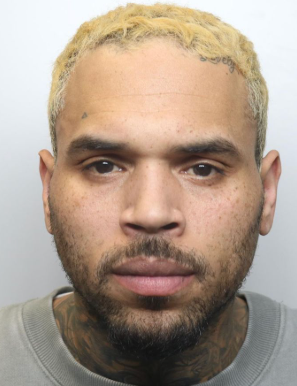
Chris Brown’s long-running London legal saga reached its conclusion on July 24, 2026, when the Grammy-winning singer entered a guilty plea to affray at Southwark Crown Court — closing out more than two years of proceedings tied to a 2023 nightclub altercation in Mayfair. The case, which once carried the possibility of a grievous bodily harm conviction, ended with a single public order offense and a September sentencing date now on the calendar.
Here’s a full breakdown of what happened, how the case evolved, and what comes next.
What Happened at the Tape Nightclub in 2023
The case traces back to February 19, 2023, when Brown was at Tape, an upscale nightclub in London’s Mayfair district. According to prosecutors, Brown and his longtime vocal coach, Omololu Akinlolu — who also performs under the stage name Hoody Baby — became involved in a violent confrontation with music producer Abraham (also referred to in court filings as Amadou “Abe”) Diaw.
Prosecutors alleged the incident involved Brown striking Diaw with a bottle, and that both Brown and Akinlolu stomped on the victim during the altercation. The confrontation was reportedly captured on the venue’s surveillance cameras, in full view of a crowded club.
Brown left the United Kingdom in the aftermath and was not arrested until May 2025, when he was taken into custody at a hotel in Manchester after flying into the city ahead of a scheduled tour stop.
The Original Charges
When Brown was formally charged, he faced a significantly more serious slate of allegations than the one he ultimately pleaded guilty to:
- Attempted grievous bodily harm — the most serious charge, carrying the possibility of substantial prison time
- Assault occasioning actual bodily harm
- Possession of an offensive weapon in a public place — related to the bottle allegedly used in the attack
Brown pleaded not guilty to all three charges at earlier hearings in mid-2025, and Akinlolu did the same. A trial date was set for October 2026, and Brown continued touring the UK and Europe while the case moved through pretrial stages, appearing in court sessions between concert dates.
Why the Charges Were Reduced
On July 24, 2026, both men reversed course and pleaded guilty to affray — a UK public order offense defined as using or threatening unlawful violence in a way that would cause a reasonably firm bystander to fear for their safety. In accepting the plea, prosecutors agreed to formally drop the assault, attempted GBH, and weapons possession charges.
This kind of plea arrangement is common in UK courts when prosecutors secure an admission of guilt on a charge that still reflects the core conduct — in this case, that Brown and Akinlolu “used or threatened unlawful violence” toward Diaw in a way that endangered public safety — without the time, cost, and uncertainty of a full trial on the more serious counts.
Crown Prosecution Service senior prosecutor Claire Campbell addressed the plea afterward, calling the confrontation a deliberate assault carried out in a packed venue and confirming that Brown used a glass bottle to strike the victim’s head. She said the CPS intends to keep pursuing cases like this one in partnership with police.
The hearing itself was brief — reportedly concluded in under five minutes — with Brown speaking only to confirm his identity and enter the plea.
What Happens Next: Sentencing in September
Brown and Akinlolu were released on bail following the plea and are due back in the UK on September 26, 2026, for sentencing. Affray carries a maximum penalty of three years in prison in the UK, though sentencing outcomes vary widely based on mitigating factors, the specifics of the conduct, and whether the defendant has a prior record.
Notably, Brown has a documented criminal history in the United States — he previously served jail time in Los Angeles for violating probation tied to his 2009 felony assault conviction involving his then-girlfriend, Rihanna. Whether or how that history factors into UK sentencing guidelines will likely be a talking point as September approaches.
How Fans and the Public Reacted
Brown’s guilty plea didn’t stop supporters from showing up outside the courthouse. Fans gathered with signs and chants of support as he arrived, a scene that underscores the gap between his ongoing commercial popularity — he remains an active touring artist with 2026 dates across the UK and Europe — and the legal consequences now catching up with him.
Frequently Asked Questions
What did Chris Brown plead guilty to? Brown pleaded guilty to affray, a UK public order offense, in connection with a February 2023 altercation at Tape nightclub in London’s Mayfair district.
Did Chris Brown go to prison? Not yet. He was released on bail after the July 2026 plea. Sentencing is scheduled for September 26, 2026, and affray carries a maximum three-year sentence in the UK.
What happened to the other charges against him? The more serious charges — attempted grievous bodily harm, assault occasioning actual bodily harm, and possession of an offensive weapon — were formally dropped by prosecutors as part of the plea agreement.
Who is Omololu Akinlolu? Akinlolu is Chris Brown’s longtime vocal coach and friend, who performs under the stage name Hoody Baby. He was Brown’s co-defendant and also pleaded guilty to affray.
Who was the victim in the case? Music producer Abraham “Abe” Diaw was named in court documents as the person injured in the altercation.
This article covers an active legal matter. Details are based on court proceedings and reporting as of July 27, 2026, and may be updated as the case develops ahead of sentencing.