The Short Answer
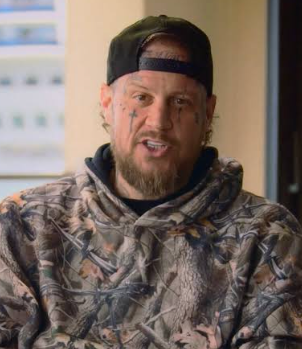
Grammy-winning singer Jelly Roll — born Jason DeFord — confirmed in early 2026 that he had lost 275 pounds, going from a peak weight of roughly 540–550 pounds down to 265, a transformation he marked with a Men’s Health cover story. It’s one of the largest celebrity weight-loss journeys ever documented in real time. But the detail generating fresh search interest isn’t the number on the scale — it’s that Jelly Roll says he tried a GLP-1 weight-loss medication for only about two weeks before stopping, and built almost the entire rest of the transformation around blood work, a food-addiction framework, and years of incremental change instead.
A Multi-Year Journey, Not an Overnight Transformation
Unlike many celebrity weight-loss stories that surface as a single before-and-after reveal, Jelly Roll’s has played out publicly over roughly four years. He has said he began taking his health seriously around 2022, initially framing it as wanting to “conquer” a lifelong struggle with weight rather than chase a specific number. By 2024, he was telling interviewers he’d lost around 110 pounds, crediting a large chunk of that progress — 60 to 70 pounds — to the physical demands of his four-month Beautifully Broken tour that year.
Around the same period, he set himself a specific, almost audacious goal: to one day land on the cover of Men’s Health. He’d only told his wife, Bunni XO, about the ambition privately before revealing it publicly on her podcast in late 2024. That cover became reality roughly a year later, alongside the news that he’d reached 275 pounds lost in total.
The Blood Panel That Alarmed His Own Doctors
The turning point in the medical side of his story came when Jelly Roll began working with Gary Brecka, a biohacker and founder of the wellness platform “The Ultimate Human,” before being referred to Ways2Well, a Texas-based wellness clinic built around treating root medical causes rather than symptoms alone.
His first round of blood work reportedly stunned the clinical team. According to Jelly Roll, doctors reacted to his initial panels by openly questioning how he was still functioning. The tests reportedly showed severely elevated insulin levels, high cholesterol, and an extremely elevated A1C — the standard marker doctors use to track blood sugar control over time, and a key indicator of diabetes risk. A nurse practitioner at the clinic has said publicly that patients with insulin levels that high often struggle to lose weight at all in the early stages of any program, because the body isn’t metabolically primed to burn fat efficiently until that’s addressed first.
To correct the underlying insulin issue, the clinic prescribed metformin — a common Type 2 diabetes medication — as part of the broader treatment plan, alongside dietary changes.
Why the GLP-1 Drug Only Lasted Two Weeks
It’s within this larger medical picture that Jelly Roll’s brief GLP-1 use sits. Rather than serving as the centerpiece of his transformation — the way it has for many other celebrities — the medication was a short-lived, early experiment that he moved away from quickly, in favor of the more comprehensive Ways2Well approach: correcting his metabolic baseline first, then building sustainable habits on top of it.
That distinction matters in a media landscape where GLP-1 drugs like Ozempic and Wegovy have become the default explanation for almost any major celebrity weight change. Jelly Roll’s case is a rarer, more complicated data point — someone who tried the drug, didn’t continue with it, and still achieved one of the largest publicly documented transformations of the decade through a completely different route.
Treating Food Like He Once Treated Addiction
The other major pillar of Jelly Roll’s story is mental health, and specifically his decision to treat compulsive overeating using the same framework he’d once used to get sober from cocaine. Jelly Roll has spoken candidly about his history with substance addiction earlier in life, and has said that once he began treating his relationship with food using the same seriousness — structured support, real behavioral change, and therapy specifically targeting his overeating — the entire process started working differently than his previous attempts at dieting had.
He built a team around that shift, including chef and sports nutritionist Ian Larios, who cooks his meals both at home and while he’s on tour — addressing one of the most common failure points in celebrity weight-loss stories, where touring schedules and food access derail progress that started at home.
What Comes Next: A Wellness Center of His Own
Jelly Roll has said he wants to build a wellness and rehabilitation facility on his roughly 500-acre property in Tennessee, aimed specifically at helping others get free of addiction using the same combination of medical treatment and mental health support that worked for him. That detail reframes his own transformation less as a personal milestone and more as the blueprint for something he intends to formalize and pass on.
Why This Story Keeps Resurfacing
Jelly Roll’s transformation continues to top “biggest celebrity weight-loss stories of the year” roundups because the scale of it — 275 pounds over roughly four years — dwarfs most other celebrity cases circulating alongside it. But the specific detail of walking away from a GLP-1 drug within two weeks, in favor of a slower, blood-work-driven, therapy-supported process, is what keeps giving the story fresh coverage. It directly complicates the increasingly common assumption that any major celebrity weight change must be a GLP-1 story by default.
Quick Recap
Jelly Roll lost 275 pounds over roughly four years, going from a peak of around 540–550 pounds to 265, in one of the largest celebrity weight-loss transformations publicly documented this decade. After a brief, roughly two-week trial of a GLP-1 medication, he shifted instead to a plan built around correcting alarming blood-panel results (including dangerously high insulin and A1C levels) with a Texas wellness clinic, treating his overeating using the same addiction-recovery framework he’d once used to get sober from cocaine, and building a dedicated team — including a personal chef — to sustain the changes on tour. He’s now said he wants to build his own wellness and rehab facility to help others do the same.
This piece reflects reporting through early 2026. If you or someone you know is struggling with body image, disordered eating, or weight-related distress, the National Alliance for Eating Disorders helpline is a good place to start.