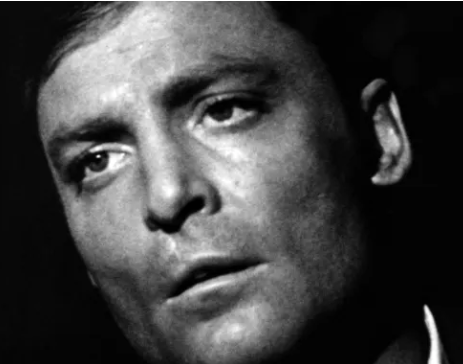
Stacy Keach Actor Who Embodied Hamlet and Mike Hammer Dies
Focus Keyword: Stacy Keach actor Hamlet Mike Hammer dies 85 Meta Description: Stacy Keach, acclaimed stage and screen actor known for Hamlet and Mike Hammer, died at 85 in Poland. Read his full six-decade life story. WordPress Tags: Stacy Keach, Stacy Keach dies, Mike Hammer, Hamlet, Shakespeare actor, Fat City, American History X, Ernest Hemingway, Prison Break, Blue Bloods
Focus Keyword: Stacy Keach actor Hamlet Mike Hammer dies 85 Meta Description: Stacy Keach, acclaimed stage and screen actor known for Hamlet and Mike Hammer, died at 85 in Poland. Read his full six-decade life story. WordPress Tags: Stacy Keach, Stacy Keach dies, Mike Hammer, Hamlet, Shakespeare actor, Fat City, American History X, Ernest Hemingway, Prison Break, Blue Bloods
The Curtain Falls on a Titan of American Stage and Screen
The world of performing arts lost one of its most versatile and commanding figures on November 10, 2026. Stacy Keach, the formidable actor whose career smoothly bridged the intellectual heights of classical Shakespearean theater and the gritty realism of hard-boiled television crime dramas, passed away at the age of 85. Over six decades in front of audiences, Keach earned international acclaim for roles that spanned the entire spectrum of dramatic performance. To theater purists, he was the definitive American Hamlet of his generation, an artist praised by critics for bringing unprecedented vocal power and emotional nuance to the stage. To millions of television viewers, he was Mickey Spillane scruffy, fedora-wearing private detective Mike Hammer, a modern knight errant navigating the dark alleys of urban crime.
Keach belonged to a rare class of performers who refused to settle into a comfortable niche. Rather than allowing Hollywood to box him into a single type of role, he actively sought out variety, taking on unglamorous character parts, terrifying villains, comedic patriarchs, and historical icons. He moved from John Huston gritty boxing dramas to Cheech and Chong stoner comedies without missing a beat, bringing the same intense commitment to every frame. His life off stage was marked by equal drama, including a high-profile legal battle in Great Britain that resulted in prison time, followed by a public journey of rehabilitation and advocacy. Keach proved that career longevity comes not from playing it safe, but from confronting life and art with unvarnished honesty.
The Final Bow in Magdalenka Poland
Stacy Keach passed away peacefully at his family home in Magdalenka, Poland, surrounded by loved ones. His wife, Polish actress Malgosia Tomassi Keach, confirmed his death in an official statement, sharing that her husband had fought a long and difficult battle with a serious heart condition and heart failure. Keach had previously suffered health challenges, including a heart attack while performing on stage in Chicago in 2017, but he continued to face his medical hurdles with the same grit that characterized his screen presence.
His passing marks the end of a six-decade artistic journey that touched every corner of modern entertainment. Malgosia Tomassi Keach described him as not only a legendary actor admired by audiences around the globe, but also her beloved companion and the beating heart of their family. She noted that while his departure leaves a profound absence, his distinctive voice, warm spirit, and immense body of work will stay alive in the hearts of theater lovers and film enthusiasts forever. Tributes quickly poured in from across Hollywood and the international theatrical community, celebrating an actor who treated every script, whether a classic tragedy or a weekly police procedural, with absolute seriousness and artistic integrity.
Early Childhood and Overcoming the Cleft Palate
Walter Stacy Keach Jr. was born on June 2, 1941, in Savannah, Georgia, into a family deeply embedded in the dramatic arts. His father, Stacy Keach Sr., was a respected theater director and actor who worked steadily in radio, film, and early television from the 1950s through the 1980s. His mother, Mary Alice Keach, was also an actress, ensuring that young Stacy and his younger brother, James, grew up steeped in the language and craft of performance. The family eventually relocated to Southern California, where the elder Keach directed popular television programs and helped establish commercial acting standards.
Despite his theatrical pedigree, Keach faced significant personal hurdles during his early childhood. He was born with a cleft lip and a cleft palate, conditions that required multiple corrective surgeries throughout his youth. During an era when childhood differences often drew harsh taunts, Keach experienced bullying and teasing from peers. Rather than retreating into self-doubt, he converted those painful experiences into a powerful drive to excel. He threw himself into competitive athletics and public speaking, using sports as an outlet to prove his strength and developing a resonant vocal projection to overcome any speech impediments. The faint scar remaining on his lip later became a trademark feature, one he proudly displayed when playing tough, vulnerable, or outsider characters.
The Academic Path Through Berkeley Yale and LAMDA
Keach pursued his higher education with relentless academic focus, building a foundational knowledge of literature and dramatic craft. He enrolled at the University of California, Berkeley, where he excelled academically, earning dual Bachelor of Arts degrees in English Literature and Dramatic Art in 1963. During his time at Berkeley, Keach immersed himself in stage productions, demonstrating an early affinity for complex classical texts and developing the physical poise required for demanding theatrical leads.
Recognizing that raw talent required rigorous training, Keach gained admission to the prestigious Yale School of Drama, where he refined his classical technique under world-class instructors. His exceptional promise earned him a Fulbright Scholarship to study at the London Academy of Music and Dramatic Art, known universally as LAMDA. In London, Keach absorbed the British tradition of verse speaking, voice production, and physical theater, studying alongside some of the finest young classical actors in Europe. This combination of American emotional intensity and British structural discipline prepared him to tackle classical drama with unprecedented authority upon his return to the United States.
The Shakespearean Crucible and the New York Hamlet
Upon returning to America, Keach rapidly established himself as a dominant force in classical stage drama. He began his professional Shakespearean career at the Oregon Shakespeare Festival in 1963, taking on challenging roles such as King Henry V, Mercutio in Romeo and Juliet, and Lord Berowne in Love Labour Lost. His vocal resonance and commanding physical presence immediately set him apart from his contemporaries, earning him invitations to major regional theater companies and prominent New York stage productions.
The zenith of his early classical stage career arrived in 1972 when he starred as the Prince of Denmark in the New York Shakespeare Festival production of Hamlet at the Public Theater, directed by Joseph Papp. Opposite legendary co-star Julie Harris, Keach delivered a performance of breathtaking psychological depth and raw tragic energy. He stripped away the overly melancholy tropes that often bogged down traditional productions, portraying Hamlet as a sharp-witted, tormented intellect fighting against political corruption and personal grief. His interpretation captivated audiences and established him as the leading classical stage actor of his generation.
The John Barrymore Comparison and Classical Mastery
Critics were unanimous in their praise for Keach 1972 performance as Hamlet. Clive Barnes, writing for The New York Times, delivered a review that echoed throughout Keach entire career, labeling him the finest American classic actor since John Barrymore. High praise indeed, as Barrymore 1922 portrayal of Hamlet had long been considered the gold standard of American theatrical history. Critics noted that Keach possessed an uncanny ability to make four-hundred-year-old iambic pentameter sound natural, immediate, and urgent to modern ears.
Keach did not rest on the laurels of his Hamlet success. He continued to conquer the Shakespearean canon throughout his life, playing Edmund opposite Lee J. Cobb in King Lear, Richard III, Coriolanus, and Macbeth. In 2006, he took on the title role in King Lear at the Goodman Theatre in Chicago, earning rave reviews for his tragic portrayal of an aging monarch descending into madness. Keach viewed classical theater not as a stepping stone to movie stardom, but as the highest calling of the acting profession, repeatedly returning to the stage to test his artistic stamina against the greatest dramatic literature ever written.
Broadway Breakthroughs and the Tony Nomination for Indians
While building his classical reputation, Keach also made an indelible mark on contemporary Broadway drama. In 1969, he took the lead role of William F. Buffalo Bill Cody in Arthur Kopit play Indians on Broadway. The play examined the dark history of American expansionism and the systematic destruction of Native American cultures, framed through the surreal lens of Buffalo Bill Wild West show. Keach gave a tour de force performance, capturing both the charismatic showmanship and the tragic self-deception of his character.
His extraordinary performance in Indians earned Keach a Tony Award nomination for Best Actor in a Play, alongside an Outer Critics Circle Award and a Drama Desk Award. The production solidified his status as a versatile leading man capable of carrying major commercial Broadway productions. Over the following decades, Keach returned to Broadway repeatedly, starring in productions like Deathtrap in the late 1970s, Solitary Confinement in 1992, The Kentucky Cycle in 1993, and the critically acclaimed drama Other Desert Cities from 2011 to 2012.
Becoming Mickey Spillane Scruffy Private Investigator Mike Hammer
While classical theater established Keach artistic credentials among critics, a television role in the 1980s made him a household name around the globe. In 1983, Keach took on the iconic role of Mike Hammer, the hard-boiled fictional private investigator created by pulp crime novelist Mickey Spillane. The character debuted in the hit television movie Murder Me, Murder You, followed by More Than Murder, before launching into the weekly series Mickey Spillane Mike Hammer on CBS in 1984.
Keach portrayal of Mike Hammer was revolutionary for 1980s television. Rather than playing a polished, suave investigator, Keach leaned into Spillane original vision of a scruffy, unapologetic detective who lived by his own moral code. Wearing a crumpled trench coat, a tilted fedora, and carrying his trusty forty-five caliber revolver named Betsy, Keach brought a rough-edged charm and weary integrity to the screen. Audiences responded enthusiastically to his gritty narration, sharp dialogue, and uncompromising attitude toward criminals who preyed on the helpless.
The Trench Coat Fedora and Modern Knight Persona
Keach understood that Mike Hammer appeal lay in his status as a modern-day knight in a tarnished urban world. In his 2013 memoir, All in All: An Actor Life On and Off the Stage, Keach reflected deeply on the character that defined his public image. He wrote that he had been and always shall be Mike Hammer, acknowledging that while certain roles stick to an actor for life, he was immensely proud that Hammer was his. He brought a sense of humor and underlying vulnerability to the hard-boiled detective, making the character relatable rather than purely violent.
The success of the series sparked a franchise that persisted across multiple decades. Following the original 1984 broadcast, CBS renewed the show as The New Mike Hammer in 1986. Keach later returned to the role in the syndicated series Mike Hammer, Private Eye, which aired from 1997 to 1998, as well as four made-for-television movies and audiobooks narrating Spillane novels. Keach connection to Hammer was further strengthened by his personal friendship with Mickey Spillane himself, who praised Keach as the absolute embodiment of his literary creation.
The London Heathrow Arrest and Shaving Cream Can
In April 1984, at the absolute height of his television popularity as Mike Hammer, Keach career and life collided with catastrophe. Returning to England after filming abroad, Keach was arrested at London Heathrow Airport when British customs officers discovered over thirty grams roughly one point three ounces of cocaine concealed inside his luggage, hidden within a hollowed-out aerosol shaving cream can. His personal secretary was also arrested in connection with the smuggling attempt.
The news sent shockwaves through Hollywood and the media world. Keach had developed a severe cocaine addiction during the mid-1970s, a habit that accelerated under the relentless work schedules and pressures of stardom. Facing British drug smuggling laws, Keach pled guilty to the charges. In December 1984, a British judge sentenced the American star to nine months in prison, sending a clear message regarding international drug enforcement. The arrest forced CBS to halt production on The New Mike Hammer, leaving the actor career in total jeopardy.
Reading Prison Solitary Reflection and Letters From Hollywood Legends
Keach was sent to serve his sentence at Reading Prison, a medium-security correctional facility in Berkshire, England. Authorities selected Reading Prison over a minimum-security facility to prevent excessive tabloid media access. In his memoir, Keach described the moment his nine-month sentence was read as feeling as though someone had kicked him in the groin with lead cleats, calling it the absolute lowest point of his entire existence. Assigned to a small cell with an orange plastic bucket for a toilet, the world-famous actor faced the sobering reality of incarceration.
During his six months of actual imprisonment before early release for good behavior, Keach turned to self-reflection and reading. He was placed in charge of showing a movie once a month to fellow inmates, famously selecting his own Western film, The Long Riders. He received steady support from Hollywood colleagues; legends like Gregory Peck, Burt Reynolds, Roger Moore, and Al Pacino sent warm, encouraging letters that sustained his morale. Keach spent his days re-evaluating his choices, taking full responsibility for his addiction, and determining to rebuild his life upon release.
Testimony Before Congress and changing Personal Struggle Into Public Advocacy
Upon his release from Reading Prison in 1985, Keach refused to hide in shame or issue hollow corporate public relations apologies. Instead, he channeled his personal ordeal into public advocacy against drug abuse. He narrated an educational television documentary titled High on the Job and accepted an invitation to testify before a United States Congressional House subcommittee examining substance abuse in America.
During his emotional testimony before Congress, Keach spoke candidly about his downward spiral, stating that there is no greater imprisonment than being dependent on a chemical substance for one existence. He described how cocaine addiction destroys personal judgment, professional relationships, and health. Keach took his message directly to college campuses, high schools, and rehabilitation centers across the country, sharing his story to warn young people about the dangers of addiction and helping to destigmatize the process of seeking help and recovery.
The Return to Mike Hammer and Career Rebuilding
Hollywood is notorious for casting aside troubled figures, but Keach honesty and determination earned him a second chance in the industry. CBS executives recognized that audiences remained deeply attached to the actor, and in 1986, they tested the waters by starring Keach in the television movie Intimate Strangers alongside Teri Garr. The film was a massive commercial success, becoming the third-highest-rated television movie of the 1985–86 season.
Following that success, CBS produced The Return of Mickey Spillane Mike Hammer, which delivered outstanding ratings. The network officially reinstated the weekly series under the title The New Mike Hammer for the 1986–87 season. Keach return to prime-time television marked one of the most remarkable professional comebacks in Hollywood history. He proved that accountability and genuine rehabilitation could pave the way for career restoration, earning the respect of industry peers and fans alike.
Collaboration With John Huston in Fat City and Judge Roy Bean
Throughout his career, Keach was a favorite collaborator of legendary film director John Huston, who recognized in Keach a rare blend of rugged masculinity and intellect. Their first major collaboration was the 1972 gritty sports drama Fat City, based on Leonard Gardner novel about washed-up boxers in Stockton, California. Keach starred as Billy Tully, an aging, alcoholic boxer trying to make a desperate comeback while working menial jobs in agricultural fields.
Keach performance in Fat City remains a high-water mark of 1970s American cinema. Opposite a young Jeff Bridges, Keach delivered a heartbreaking, unvarnished portrait of human vulnerability and quiet desperation. Film critic Vincent Canby praised the performance for its absolute authenticity. Keach reteamed with Huston later that same year for the eccentric Western comedy The Life and Times of Judge Roy Bean, playing Bad Bob, an albino outlaw, proving his willingness to take on bizarre, unglamorous character parts for visionary directors.
The Golden Globe Victory for Ernest Hemingway
In 1988, Keach achieved one of his greatest artistic triumphs when he starred as legendary American author Ernest Hemingway in the acclaimed six-hour television miniseries Hemingway. Directed by Bernhard Sinkel, the epic production chronicled Hemingway life from his young days as a World War I ambulance driver through his literary triumphs, adventuring in Africa, and tragic final years.
Keach threw himself into the role with total physical and emotional dedication, gaining thirty-five pounds to capture Hemingway imposing physical frame and aging appearance. His performance earned overwhelming critical praise for capturing both the author boisterous public persona and his internal psychological torment. For his masterful portrayal, Keach won the Golden Globe Award for Best Performance by an Actor in a Mini-Series or Motion Picture Made for Television, along with a Primetime Emmy Award nomination, cementing his reputation as a master of biographical drama.
Unforgettable Screen Roles From Up in Smoke to American History X
Keach filmography of over two hundred credits reflects an astonishing variety of genre work. In 1978, he demonstrated his comedic chops in the Cheech and Chong cult classic Up in Smoke, playing Sergeant Stedenko, an overly zealous, bumbling narcotics officer chasing pot-smoking stoners. He reprised the hilarious role in 1981 Nice Dreams, proving that he possessed a brilliant sense of comedic timing alongside his dramatic power.
In 1980, Keach starred in and co-produced the acclaimed cult psychological thriller The Ninth Configuration, directed by William Peter Blatty, playing a deranged military psychiatrist in a remote castle asylum. That same year, he starred alongside his real-life brother James Keach in Walter Hill classic Western The Long Riders, playing legendary outlaws Frank and Jesse James. In 1998, Keach delivered a chilling performance in American History X as Cameron Alexander, a sinister, manipulating white supremacist leader who grooms young men into racial violence, demonstrating his fearlessness in portraying deeply uncomfortable characters.
Late Career Gems in Nebraska and Jay Kelly
Even as he entered his seventies and eighties, Keach remained a vital force in cinema, choosing projects with top-tier directors and ensemble casts. In 2013, he starred in Alexander Payne Oscar-nominated black-and-white comedy-drama Nebraska. Keach played Ed Pegram, a scheming, small-town business partner who attempts to take advantage of an aging, confused man played by Bruce Dern who believes he won a sweepstakes fortune. Keach brought a blend of small-town charm and subtle malice to the character, earning critical praise across film festivals.
In 2025, Keach delivered one of his final screen performances in the drama Jay Kelly, starring opposite George Clooney. Keach played the bitter, demanding father of Clooney title character, bringing decades of acting wisdom and emotional authority to the father-son dynamic. Working alongside a new generation of Hollywood talent, Keach showed that his presence on screen remained as commanding and authentic as it had been six decades earlier.
Television Character Work Across Titus Prison Break and Blue Bloods
In the late 1990s and 2000s, Keach introduced himself to fresh television audiences through a series of memorable recurring and starring roles. From 2000 to 2002, he starred in the FOX dark comedy series Titus as Ken Titus, the foul-mouthed, beer-drinking, hard-nosed father of comedian Christopher Titus. Keach razor-sharp comedic delivery and larger-than-life presence made Ken Titus one of the most memorable sitcom fathers of the era.
Keach also established a strong presence in premium television drama. On the hit CBS police series Blue Bloods, Keach held a recurring role as Archbishop Kevin Kearns, the wise senior cleric of the Archdiocese of New York who frequently advised Police Commissioner Frank Reagan, played by Tom Selleck. Keach brought quiet dignity, moral authority, and deep humanity to the role, appearing in numerous episodes across multiple seasons and becoming a fan-favorite guest star.
Voiceover Work and Narrating Worlds Most Amazing Videos
Beyond his physical screen appearances, Keach possessed one of the most recognizable and resonant vocal instruments in the broadcasting industry. His deep, baritone voice made him one of the most sought-after voiceover artists and documentary narrators in Hollywood. For years, Keach served as the iconic narrator of the popular reality television series World Most Amazing Videos, bringing dramatic urgency and authoritative gravity to intense real-life survival stories.
His voiceover work extended across animation, audiobooks, and radio. He voiced the character of Don Howard in The Simpsons, provided character voices for animated feature films like Planes, and recorded numerous audiobooks, including unabridged recordings of Mickey Spillane crime novels and historical biographies. Keach understood how to use microphone technique and vocal inflection to paint vivid mental pictures, making his voice instantly recognizable to millions of listeners worldwide.
Modeling Warden Henry Pope on His Real Life British Jailer
From 2005 to 2007, Keach starred as Warden Henry Pope in the hit FOX action-drama series Prison Break. As the warden of Fox River State Penitentiary, Pope was a complex authority figure who genuinely cared about prisoner rehabilitation and built a model of a Gothic cathedral in his office, hiring inmate Michael Scofield to assist him. Keach performance was praised for avoiding typical prison warden clichés, infusing the character with decency and moral conflict.
In interviews, Keach revealed a fascinating connection between his acting craft and his personal history: he modeled Warden Henry Pope on the real-life prison governor he had encountered while serving time at Reading Prison in England in 1984. Keach recalled that his British jailer had treated inmates with dignity, compassion, and a sincere desire to help them rebuild their lives. By drawing directly on his own prison experience, Keach turned a past personal tragedy into an authentic, deeply humane television performance.
The Family Life With Malgosia Tomassi Keach and Children
Behind his relentless professional schedule, Keach anchored his life in a devoted family structure. Keach was married four times during his life, but found lasting personal stability and happiness in his fourth marriage to Polish-born actress and interior designer Malgosia Tomassi. The couple met in the mid-1980s when Tomassi appeared in an episode of Mickey Spillane Mike Hammer. They were married in 1986 and remained happily united for forty years until his passing.
Malgosia was a steadfast partner throughout Keach life, supporting him through his prison sentence in England, his public advocacy work, and his subsequent health battles. During his six months in Reading Prison, her letters and photographs provided him with vital emotional strength. Together, the couple raised two children, son Shannon Keach and daughter Karolina Keach. Keach frequently expressed gratitude for his family, describing his home life with Malgosia and their children as the true anchor that kept him grounded amid the turbulent waters of fame.
Physical Commitment to the Craft and Gaining Weight for Roles
Keach belonged to an era of actors who believed in total physical and mental change for their roles. He was never content to simply deliver lines; he altered his posture, vocal resonance, weight, and facial expression to embody each distinct character. When cast as Ernest Hemingway in the 1988 miniseries, Keach gained thirty-five pounds, grew a full beard, and studied Hemingway speech patterns to physically capture the author imposing presence.
Similarly, for his role as Billy Tully in Fat City, Keach spent months training in boxing gyms, suffering bruised ribs and swollen eyes to authentically portray a veteran fighter body mechanics and ring exhaustion. Whether growing a thick mustache to cover his lip scar for a traditional leading role or letting the scar show to accentuate a sinister villain, Keach used his physical body as an artistic canvas. His physical discipline earned the admiration of fellow actors and directors, who knew that Keach commitment to authenticity was absolute.
The Mild Stroke and Immediate Return to Frost Nixon
Keach commitment to the stage was tested by medical emergencies in his later years, demonstrating a legendary resilience. In March 2009, while starring as former President Richard Nixon in the national touring company production of Peter Morgan hit play Frost Nixon, Keach suffered a mild stroke in Los Angeles. The stroke temporarily affected his speech and motor skills, forcing a brief hospitalization and causing alarm among fans and theater producers.
However, Keach determination to honor his commitment to the production was remarkable. Showing astonishing recovery, Keach was released from the hospital and returned to the stage as Richard Nixon just ten days later, resuming the demanding tour without missing a beat. Critics and fellow cast members were stunned by his mental focus and stamina. Keach treated the health setback not as an excuse to retire, but as a minor hurdle on his ongoing journey as a working actor.
The Onstage Collapse During Pamplona in Chicago
In May 2017, Keach faced another serious health crisis while starring in Pamplona, a demanding one-man play about Ernest Hemingway written by Jim McGrath, at the Goodman Theatre in Chicago. On opening night, while delivering a lengthy soliloquy on stage before a full audience, Keach suffered an apparent heart attack and collapsed. The performance was immediately halted, and Keach was rushed to an intensive care unit at a nearby Chicago hospital.
The medical emergency forced the cancellation of the remainder of the play run, but Keach survived the life-threatening heart event through swift medical intervention. Following cardiac treatment and rehabilitation, Keach returned to Chicago the following year in 2018 to restage and complete the run of Pamplona, delivering an extraordinary performance that earned standing ovations. His courage in stepping back onto the very stage where he had collapsed demonstrated an unparalleled passion for the theatrical art form.
Tributes From Lou Diamond Phillips Jamie Lee Curtis and Hollywood Peers
Following the news of Keach passing in Poland at age 85, a wave of heartfelt tributes flooded social media and entertainment publications from colleagues across generations. Actor Lou Diamond Phillips, who played Keach son in the 2008 television movie Lone Rider, posted a moving tribute describing Keach as a consummate performer who was gracious, giving, and incredibly kind, even while possessing the presence of a smoldering volcano. Phillips called him one of the absolute greats of American theater.
Legendary actress Jamie Lee Curtis, director John Carpenter, actor Michael McKean, and co-stars from Prison Break and Blue Bloods expressed profound grief, recalling Keach generosity as a scene partner and mentor. Fellow actors recalled that Keach treated every member of a production, from lead stars to background extras and stagehands, with identical respect. His reputation as a humble, hard-working craftsman made his loss deeply felt across the entire performing arts community.
The Hollywood Walk of Fame Star and Lasting Recognition
In July 2019, Keach received long-overdue official recognition from the entertainment industry when he was honored with a star on the Hollywood Walk of Fame. Located on Hollywood Boulevard, the ceremony was attended by family, friends, and industry peers who gathered to celebrate his six decades of extraordinary contributions to television, film, and theater.
During his acceptance speech, Keach reflected humbly on his long career, expressing gratitude to his wife Malgosia, his children, his fellow actors, and the audiences who had followed his work from Shakespearean stages to prime-time television. The Walk of Fame star served as a permanent marker of a career that spanned over two hundred roles, honoring an actor who brought uncompromising commitment and artistic excellence to every medium he touched.
Choose Variety Over Comfort The Philosophy of an Uncompromising Actor
Keach artistic career was guided by a clear philosophy: he chose variety over comfortable stardom. In a famous 2012 interview with New York magazine, Keach reflected on his career choices and the trade-offs he had made over fifty years. He stated candidly that his objective had always been to have as varied a selection of roles as possible, acknowledging that this refusal to stick to one profitable type probably hurt his commercial career in terms of pure Hollywood stardom.
However, Keach expressed zero regret for his choices. He stated that while his decisions carried a financial and commercial cost, he got to play Hamlet, Richard III, and King Lear on stage, and he would not trade those experiences for anything in the world. This philosophy defined his entire legacy. He viewed acting not as a search for personal fame, but as a noble craft dedicated to exploring the full human experience across every genre and medium available.
Comparing Stacy Keach With Brando Mitchum Burton and Kline
Keach unique position in American acting history was captured eloquently by fellow actor Alec Baldwin in the foreword to Keach 2013 autobiography, All in All. Baldwin described Keach as a miraculous hybrid of the hyper-masculinity of a Marlon Brando or Robert Mitchum and the classical training and vocal mastery of Richard Burton or Kevin Kline.
This description captures why Keach stood out among his peers. He possessed the raw, physical menace and rugged charm suitable for film noir, Westerns, and boxing dramas, yet he brought to those roles the textual precision, breath control, and emotional depth of a classical Shakespearean master. Keach bridged the gap between elite theater traditions and popular mass entertainment, proving that an actor can honor classical heritage while delivering accessible, gripping performances to mainstream audiences.
Frequently Asked Questions Regarding the Life and Legacy of Stacy Keach
When and where did Stacy Keach pass away and what was the cause of death
Stacy Keach passed away on Tuesday, November 10, 2026, at his family home in Magdalenka, Poland, at the age of 85. His death was confirmed by his wife, Malgosia Tomassi Keach, who stated that he died following a long and courageously fought battle with a serious heart condition and heart failure. Keach had previously survived a heart attack on stage in Chicago in 2017.
What were Stacy Keach most famous roles on television and in film
Keach is most famously remembered for playing scruffy private eye Mike Hammer in the CBS series Mickey Spillane Mike Hammer, The New Mike Hammer, and Mike Hammer, Private Eye. His other famous roles include Billy Tully in Fat City, Ernest Hemingway in the Golden Globe-winning miniseries Hemingway, Ken Titus in Titus, Warden Henry Pope in Prison Break, Cameron Alexander in American History X, Ed Pegram in Nebraska, and Archbishop Kevin Kearns in Blue Bloods.
Why was Stacy Keach compared to John Barrymore and Marlon Brando
In 1972, following his acclaimed performance as Hamlet at the New York Shakespeare Festival, New York Times drama critic Clive Barnes labeled Keach the finest American classic actor since John Barrymore. Later, actor Alec Baldwin described Keach as a miraculous hybrid of the raw, hyper-masculine screen presence of Marlon Brando or Robert Mitchum combined with the rigorous classical vocal training of Richard Burton.
What Happened During the London Airport Arrest
In April 1984, while starring in Mike Hammer, Keach was arrested at London Heathrow Airport for attempting to smuggle over thirty grams of cocaine concealed inside an aerosol shaving cream can. He pled guilty and was sentenced to nine months in prison, serving six months at Reading Prison in England. Upon his release, Keach testified before Congress, educated young people about addiction, and successfully rebuilt his career.
Who survives Stacy Keach and what was his family background
Keach is survived by his wife of forty years, Polish-born actress Malgosia Tomassi Keach, and their two children, Shannon Keach and Karolina Keach, as well as his brother, actor and director James Keach. Keach was born into a theatrical family; his father, Stacy Keach Sr., was a prominent actor and director, and his mother, Mary Alice Keach, was an actress.
Master Breakdown Table of Major Roles Performances and Awards
| Role Title and Year | Production Type and Title | Character Portrayed | Key Awards and Critical Acclaim |
|---|---|---|---|
| Hamlet (1972) | New York Shakespeare Festival Stage | Prince Hamlet of Denmark | Praised as finest American classic actor since John Barrymore |
| Buffalo Bill (1969) | Broadway Stage Drama Indians | William F. Buffalo Bill Cody | Tony Award Nomination for Best Actor in a Play |
| Billy Tully (1972) | Feature Film Fat City | Aging Alcoholic Boxer | Acclaimed collaboration with director John Huston |
| Mike Hammer (1984-1998) | CBS TV Series and TV Movies | Detective Mike Hammer | Definitive portrayal of Mickey Spillane hard-boiled private eye |
| Ernest Hemingway (1988) | TV Miniseries Hemingway | Author Ernest Hemingway | Golden Globe Award Winner & Primetime Emmy Nomination |
| Cameron Alexander (1998) | Feature Film American History X | White Supremacist Leader | Chilling character performance opposite Edward Norton |
| Ken Titus (2000-2002) | FOX Sitcom Series Titus | Hard-Nosed Father Ken Titus | Fan-favorite comedic starring role across three seasons |
| Warden Henry Pope (2005-2007) | FOX Drama Series Prison Break | Fox River Prison Warden | Modeled character on his real-life British prison governor |
| Ed Pegram (2013) | Feature Film Nebraska | Small-Town Business Partner | Featured performance in Alexander Payne Oscar-nominated film |
| Archbishop Kearns (2010-2023) | CBS Police Drama Blue Bloods | Archbishop Kevin Kearns | Long-running recurring role opposite Tom Selleck |
Key Figures in the Career and Life of Stacy Keach
Malgosia Tomassi Keach
Malgosia Tomassi Keach is a Polish-born actress and interior designer who married Stacy Keach in 1986. They met on the set of Mike Hammer and spent forty years together. Malgosia was Keach primary emotional support during his 1984 imprisonment in England and his health struggles in later life. She confirmed his passing in Poland in November 2026.
Mickey Spillane
Mickey Spillane was the famed American crime novelist who created hard-boiled detective Mike Hammer in 1947. Spillane formed a close personal friendship with Stacy Keach and declared Keach portrayal to be the absolute definitive screen representation of his literary hero.
John Huston
John Huston was one of Hollywood most revered film directors, who cast Stacy Keach in Fat City in 1972 and The Life and Times of Judge Roy Bean later that year. Huston admired Keach ability to blend rugged physical realism with profound emotional depth on screen.
Joseph Papp
Joseph Papp was the legendary theatrical producer and founder of the New York Shakespeare Festival and The Public Theater. Papp recognized Keach classical genius and cast him as Hamlet in 1972, a production that cemented Keach reputation as America preeminent Shakespearean lead.
The Evolution of American Shakespearean Theater Performance
Stacy Keach contributions to American theater helped redefine how classical Shakespearean works were performed in the United States during the late twentieth century. For decades, American classical actors faced criticism for either attempting to mimic British accent conventions or failing to capture the poetic rhythm of verse drama. Keach pioneered an approach that merged British vocal technique learned at LAMDA with American emotional realism and physical power.
By bringing an authentic, unvarnished voice to Shakespearean roles like Hamlet, Richard III, and King Lear, Keach demonstrated that classical theater could speak directly to modern American audiences. His work paved the way for generations of American stage actors to approach Shakespeare with confidence, proving that classical drama belongs to every culture willing to engage with its timeless human themes.
Hard-Boiled Noir Culture and the Detective Genre On Television
Keach portrayal of Mike Hammer stands as a watershed moment in the history of television crime dramas. During the 1980s, television was flooded with glossy, lighthearted detective shows, but Keach brought the grit, cynicism, and moral complexity of classical film noir back to prime-time television. His interpretation of Spillane famous private eye captured the mood of post-1970s urban anxiety.
Through his gravelly voiceover narration, crumpled trench coat, and uncompromising stance against corruption, Keach established a archetype that influenced subsequent television crime series. His Mike Hammer proved that television audiences craved hard-boiled, character-driven storytelling, bridging the gap between classic 1940s film noir and modern gritty cable police procedurals.
Substance Abuse Recovery and Public Reintegration in Entertainment
Keach public journey following his 1984 drug arrest in London provides an lasting study in crisis management, personal accountability, and public recovery. At a time when public figures routinely denied wrongdoing or attempted to hide behind public relations spin, Keach pled guilty, served his prison sentence without complaint, and publicly acknowledged his severe cocaine addiction.
His subsequent advocacy work testifying before Congress, visiting rehabilitation centers, and educating college students helped change a public scandal into a force for social good. By proving that an individual can confront personal failure, rebuild professional trust, and sustain a thriving career for four subsequent decades, Keach established a model of authentic accountability that remains relevant in modern entertainment culture.
The Psychological Depth of Tough Guy and Antihero Characters
Throughout his six-decade career, Keach excelled at playing tough guys, authority figures, and antiheroes who harbored complex internal struggles. Whether portraying an aging, battered boxer in Fat City, an unyielding military officer in The Ninth Configuration, or a compassionate prison warden in Prison Break, Keach refused to treat tough characters as one-dimensional stereotypes.
He understood that true toughness on screen comes from internal conflict rather than empty bravado. Keach drew upon his own life experiences, including his childhood cleft palate surgeries and his time in Reading Prison, to infuse his characters with emotional scars and quiet vulnerability. This ability to find humanity inside hardened exteriors made his performances memorable and deeply moving.
The Legacy of Classical Training in Modern Film and Television Acting
In an era where film and television acting increasingly favored naturalistic minimalism over formal technique, Stacy Keach represented the lasting power of rigorous classical training. His study at UC Berkeley, Yale School of Drama, and LAMDA gave him a deep understanding of dramatic structure, vocal breath control, and physical movement that enhanced every screen performance.
Keach demonstrated that classical training does not restrict an actor to period theater; rather, it provides the technical foundation necessary to excel in any genre, from broad television comedy in Titus to intense film drama in American History X. His career stands as an lasting argument for the value of formal training, showing that discipline and craft are the true foundations of lifelong artistic success.
Final Synthesis on a Six-Decade Legacy That Reshaped Acting History
The passing of Stacy Keach at age 85 marks the loss of a true giant of American performing arts. Across six decades, Keach navigated the worlds of classical theater, mainstream television, and independent cinema with unmatched versatility and unwavering dedication to his craft. He earned his place in history not by taking the easy path to commercial stardom, but by seeking out challenging, complex roles that tested his artistic limits.
From his legendary stage portrayal of Hamlet to his iconic television performance as Mike Hammer, and from his Golden Globe-winning turn as Ernest Hemingway to his late-career work in Nebraska and Jay Kelly, Keach left behind a rich catalog of performances that will inspire actors and entertain audiences for generations to come. His legacy is defined by artistic courage, personal resilience, and an unshakeable belief that a life devoted to the dramatic arts is a life truly well lived.
The Evolution of Shakespearean Diction and American Stage Traditions
When Stacy Keach began his theatrical journey in the early nineteen sixties, American Shakespearean theater was experiencing a profound identity struggle. For generations, North American classical actors felt compelled to adopt Mid-Atlantic or exaggerated British theatrical accents, believing that Shakespeare inherent poetic rhythm required European vocal mannerisms. This stylistic insecurity often created a barrier between American audiences and the timeless emotional power of the plays.
Keach became a key figure in dismantling that artificial barrier. Drawing upon his dual education at UC Berkeley and London Academy of Music and Dramatic Art, Keach developed a performance technique that preserved precise poetic meter while honoring natural American speech cadence. When he spoke verse, whether as Hamlet, Mercutio, or Richard III, he delivered the lines with direct, resonant conversational power. His approach demonstrated to theater directors that classical drama did not need European polish to hit audiences with emotional force.
The Cold War Era Media Frenzy Around British Incarceration
When Keach was arrested at London Heathrow Airport in mid-nineteen eighty-four, the international media coverage reached a fever pitch. During the height of the Cold War and the early years of the war on drugs campaign, a major American television star caught smuggling narcotics into the United Kingdom became an international news sensation. British tabloids and American television news programs covered every detail of the court hearings.
The trial judge decision to hand down a nine-month prison sentence sent shockwaves through both Hollywood and Parliament. British authorities intentionally assigned Keach to Reading Prison to prevent the facility from becoming a media circus. Despite the brutal tabloid scrutiny, Keach maintained dignified silence throughout his confinement. By accepting his punishment without issuing defensive public excuses, he gradually shifted media coverage from sensationalist gossip to a story of sober personal reflection.
Deep Dive Into Fat City Film Realism and Stockton Boxing Gym Culture
John Huston nineteen seventy-two film Fat City is widely recognized by cinema historians as a masterpiece of American realism. Set in the bleak, sun-bleached agricultural hub of Stockton, California, the film explored the lives of broken-down prizefighters and migrant farm laborers struggling to survive on the margins of society. Keach portrayal of Billy Tully, an alcoholic former boxer attempting a desperate career revival, required profound physical and psychological immersion.
To prepare for the role, Keach lived in Stockton for weeks prior to filming, training in rundown local boxing gyms and sparring with actual amateur fighters. He allowed his physical appearance to deteriorate, displaying the battered posture, slurred cadence, and weary eyes of a man who had taken too many punches inside and outside the ring. His scenes opposite a young Jeff Bridges captured a tragic generational torch-passing, earning praise from film scholars as one of the most authentic depictions of athletic decline ever recorded on celluloid.
The Cultural Impact of the Cheech and Chong Comedy Era
In stark contrast to his heavy dramatic repertoire, Keach earned a permanent place in comedy history through his hilarious portrayal of Sergeant Stedenko in the nineteen seventy-eight cult classic Up in Smoke. Created by comedy duo Cheech Marin and Tommy Chong, the film defined late nineteen seventies counterculture humor. Keach was cast as the hyper-intense, bumbling narcotics officer determined to bust the duo weed-fueled road trip.
Keach played Sergeant Stedenko with absolute straight-faced seriousness, treating the ridiculous comedic scenarios as if they were life-or-death tactical police operations. His deadpan delivery and wild-eyed intensity made the character an instant fan favorite. Keach returned to the role in nineteen eighty-one Nice Dreams, demonstrating his remarkable willingness to satirize authority figures and show that a respected classical stage actor could embrace absurd populist comedy without diminishing his dramatic stature.
Inside the Making of The Long Riders and the James Brother Legacy
The nineteen eighty Western film The Long Riders remains a unique milestone in cinematic history. Directed by Walter Hill, the film told the legendary story of the James-Younger gang in post-Civil War Missouri. What made the production famous was its casting gimmick: actual Hollywood brothers were cast to play legendary historical brothers. Stacy Keach and his real brother James Keach starred as Frank and Jesse James, while David, Keith, and Robert Carradine played the Younger brothers, and Dennis and Randy Quaid played the Miller brothers.
Stacy Keach not only starred as Frank James but also co-wrote the screenplay alongside his brother James and executive produced the film. The brothers conducted extensive historical research to portray the James gang as complex, morally ambiguous historical figures rather than mythic folk heroes. Stacy performance as the literate, cold-headed Frank James provided a perfect counterweight to James fiery portrayal of Jesse, establishing the film as a classic of modern Western cinema.
Unpacking American History X and the Anatomy of Film Villains
In nineteen ninety-eight, Keach took on one of the most disturbing roles of his film career in Tony Kaye hard-hitting drama American History X. He portrayed Cameron Alexander, an elder white supremacist organizer who operates a white power record label and manipulates vulnerable neighborhood teenagers into racial hatred. Opposite Edward Norton, who played a radicalized youth attempting to escape the movement, Keach delivered a chilling masterclass in villainy.
Keach refused to play Cameron Alexander as a screaming caricature. Instead, he presented the character as an articulate, smiling manipulator who sat comfortably in his office while sending impressionable young people to commit acts of violence. Film critics highlighted Keach performance as an insightful critique of how extremist ideologies operate beneath a veneer of charm and pseudo-intellectual rhetoric. Keach courage in embodying such a repulsive character demonstrated his lifelong commitment to dramatic truth over personal image.
The Mechanics of Voiceover Performance in Reality Television
During the late nineteen nineties and early two thousands, Keach established himself as the voice of non-fiction television broadcasting. His work as the narrator for the long-running series World Most Amazing Videos created a brand-new standard for action narration. Over dozens of episodes, Keach vocal delivery guided viewers through harrowing footage of natural disasters, vehicular crashes, and daring police rescues.
Voiceover directors noted that Keach brought a unique acoustic discipline to the recording booth. His deep baritone voice possessed a natural gravitas that instantly communicated authority without sounding theatrical or fake. Keach understood how to pace his narration, building tension during dramatic setups and delivering calm resolution during survival outcomes. His iconic voice became a familiar staple in millions of living rooms around the world.
The Art of Stage Performance Under Intense Medical Pressures
Keach relationship with live theater was defined by an extraordinary level of personal dedication that often defied medical limitations. In May two thousand seventeen, while performing the lead role in Pamplona at the Goodman Theatre in Chicago, Keach experienced a major cardiac incident live on stage during opening night. While delivering a complex monologue about Ernest Hemingway later years, his heart failed, causing an immediate stage shutdown and emergency hospitalization.
Most actors in their late seventies would have permanently retired from the stage following such a life-threatening event. However, Keach underwent extensive cardiac therapy and returned to the exact same Chicago stage the following year to complete the run of Pamplona. His ability to memorize ninety minutes of dense theatrical text and deliver a physically demanding solo performance after major heart surgery demonstrated a mental fortitude that inspired the entire theatrical community.
Exploring Frost Nixon On Tour and Presidential Character Studies
In two thousand eight and two thousand nine, Keach took on one of the most challenging biographical roles of his stage career when he headlined the national touring company production of Peter Morgan hit drama Frost Nixon. Keach portrayed former United States President Richard Nixon during the famous nineteen seventy-seven televised interviews with British journalist David Frost.
Portraying a former president required avoiding simple political impression or caricature. Keach focused on Nixon internal psychology, capturing the tragic mix of intellect, insecurity, and political ambition that defined his presidency. When Keach suffered a mild stroke during the Los Angeles leg of the tour in March two thousand nine, he recovered and returned to the stage in just ten days, continuing to deliver a nuanced, humanizing portrait of a fallen leader fighting for his place in history.
The Historical Legacy of Mickey Spillane Hard-Boiled Crime Fiction
When Mickey Spillane published his first Mike Hammer novel, I, the Jury, in nineteen forty-seven, he revolutionized the hard-boiled crime fiction genre. Spillane introduced a dark, uncompromising private detective who operated in a World War II post-war era defined by urban decay and moral ambiguity. For decades, film and television adaptations struggled to capture the intense edge of Spillane prose.
When Stacy Keach assumed the role in nineteen eighty-three, Spillane declared that he had finally found the living embodiment of Mike Hammer. Keach brought an authentic blue-collar toughness to the detective, pairing it with a dry humor and weary idealism. Keach relationship with Spillane work extended far beyond the television camera; he narrated unabridged audiobooks of Spillane novels and remained a lifelong ambassador for classic hard-boiled American detective literature.
The Dynamics of Polish Cultural Connections and Family Life in Europe
Keach forty-year marriage to Polish-born actress Malgosia Tomassi introduced him to European culture and lifestyle, which became an important sanctuary away from Hollywood pressure. The couple maintained a family home in Magdalenka, a quiet village located outside Warsaw, Poland. Keach developed a deep affection for Polish theater traditions, historical literature, and European hospitality.
In Magdalenka, Keach found a peaceful environment where he could rest between demanding film shoots and theatrical tours. His European home provided an ideal setting for reading classical literature, spending quality time with his children Shannon and Karolina, and recovering from medical challenges. It was in this peaceful Polish sanctuary that Keach spent his final days, surrounded by his loving family.
The Architectural and Production Design of Classic TV Detective Shows
The television productions of Mickey Spillane Mike Hammer during the nineteen eighties were acclaimed not only for Keach performance, but also for their distinctive visual atmosphere. The production team crafted a stylized vision of New York City that blended nineteen eighties neon aesthetics with classic nineteen forty-five film noir shadows.
Rain-slicked streets, smoke-filled jazz clubs, dimly lit alleys, and Hammer iconic office featuring Venetian blinds created a visual world that transported viewers into a modern noir graphic novel. Keach costuming, featuring his signature grey trench coat, tilted fedora, and leather shoulder holster, became an indelible television icon. The show production design set a visual benchmark for crime dramas throughout the decade.
Re-Evaluating Six Decades of Performing Arts Contributions
As film scholars, theater critics, and audiences reflect upon Stacy Keach six-decade career, his lasting contribution lies in his absolute refusal to compromise his artistic standards. He proved that an actor can achieve international popularity without sacrificing dedication to classical theater, and that personal mistakes can be overcome through honesty, humility, and hard work.
Whether standing under the stage lights of Broadway, trading punches in a gritty film boxing ring, or delivering hard-boiled dialogue on television, Keach brought complete commitment to every moment. His passing at age eighty-five closes a golden era of American acting, leaving behind a immense body of work that serves as a masterclass for future generations of performing artists.