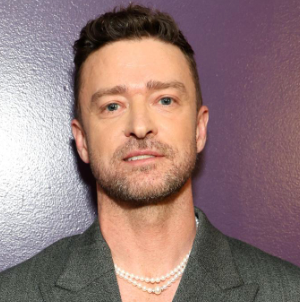
The YouTube Revelation That Rewrote Twenty Years of Pop Music Rumors
For nearly two decades, one of the most lasting stories in modern pop culture held that Justin Timberlake wrote his massive two thousand six hit single What Goes Around… Comes Around as a scathing, post-breakup retaliation aimed directly at his high-profile ex-girlfriend, Britney Spears. Released as the third major single from his critically acclaimed second solo album, FutureSex/LoveSounds, the track dominated global radio waves, reached the top spot on the Billboard Hot 100 chart, and earned a Grammy Award for Best Male Pop Vocal Performance. Listeners across the globe quickly connected the dots in their own minds. Coming four years after their explosive two thousand two romantic split, and arriving right around the period when Spears was navigating a turbulent divorce from her second husband Kevin Federline, millions of music fans concluded that Timberlake was delivering a public musical lecture about karmic payback.
That cultural narrative stood virtually unquestioned for twenty years. It became an established piece of music history lore, cited in endless entertainment retrospective articles, discussed on pop radio roundtables, and accepted as gospel across fan forums worldwide. However, in a surprising turn during a recorded digital media appearance, Timberlake officially set the record straight, dismantling the long-held myth in a single candid explanation. Speaking directly to the camera during an interview on Complex’s Re-Rank video series, the forty-five-year-old singer and producer chose to address the rumors head-on, clarifying that the track was never a personal story about his own life or his past relationship with Spears.
The revelation sent immediate shockwaves across entertainment news outlets, music blogs, and social media platforms. Publications ranging from Rolling Stone and The Independent to TMZ, US Magazine, and PopCulture immediately highlighted his statements, dissecting how a song that defined an entire era of mid-two-thousands pop music was actually born from a completely different set of circumstances. Timberlake explained that rather than brooding over his own past heartbreaks or watching his famous ex-girlfriend from afar, he was responding to a real-time crisis involving a close personal friend who was going through an agonizing breakup caused by relationship infidelity.
The sheer longevity of the rumor highlights how deeply invested the public became in the personal lives of Timberlake and Spears during the early two thousands. Their relationship, which began when they were teenagers on the set of The All-New Mickey Mouse Club, grew into the defining celebrity romance of the turn of the millennium. When they separated in two thousand two, every subsequent song release, music video concept, and public statement was parsed by fans and journalists seeking clues about their split. By publicly clarifying the origin of What Goes Around… Comes Around, Timberlake not only corrected the record on his own discography but also provided a fascinating glimpse into how pop music myths take root and persist over decades.
Inside the Complex Re-Rank Interview: Setting the Record Straight
The context of Timberlake’s revelation came during a relaxed, reflective session for Complex’s popular Re-Rank show, a format where artists review, evaluate, and order their most famous projects, singles, and cultural moments. When the conversation turned toward FutureSex/LoveSounds and its standout single What Goes Around… Comes Around, Timberlake took a deliberate pause to address the persistent speculation surrounding the track.
Teasing the host and audience, Timberlake remarked that he felt it was finally time to dispel a rumor that had followed him for almost twenty years. He explained clearly that the narrative framing the song as a personal commentary on his past romance with Spears was entirely unfounded. The singer stated flatly that the song was not a personal story from his own life, putting to rest two decades of fan theories that linked the track’s dramatic lyrics to his high-profile breakup.
During the interview, Timberlake explained the genuine origin of the composition. He recalled sitting down with a close friend who was experiencing severe emotional distress following a betrayal in his own relationship. As his friend recounted the painful details of the infidelity and the breakdown of his partnership, Timberlake felt an immediate creative spark. Recognizing the universal emotional weight of his friend’s story, Timberlake asked for explicit permission to translate the situation into a song.
The host and viewers watched as Timberlake described the exact moment the track was conceived. His friend responded enthusiastically to the idea, giving Timberlake total creative freedom to channel the anger and hurt into a musical track. That brief phone conversation sparked a rapid songwriting session that produced one of the most successful pop singles of the two-thousands era. By sharing this detailed background on Re-Rank, Timberlake reshaped how the public understands one of his signature artistic achievements.
A Phone Call and Twenty Minutes: How a Friend’s Heartbreak Created a Hit Single
The actual creation of What Goes Around… Comes Around was remarkably swift, driven by the intense emotion of the moment. Timberlake recalled how his friend laid out the raw details of the betrayal over the phone. Feeling the pain and frustration of his pal’s situation, Timberlake realized the narrative possessed all the elements of a timeless, relatable story about trust, betrayal, and consequences.
Before putting pen to paper or working out melodic hooks, Timberlake made sure to ask his friend if he would be comfortable having his personal life used as raw material for a song. He asked directly whether his friend minded if he wrote about the situation. The friend’s response was sharp and uncensored, urging Timberlake to go ahead and write a track that would expose the wrongdoings of his ex-partner, concluding with the phrase that would give the song its core hook and title.
Upon hearing his friend say those words, Timberlake instantly knew he had a hit concept on his hands. He recalled telling his friend that he had to hang up immediately because the inspiration was hitting him with immense force. Exiting the conversation right then and there, Timberlake rushed to write down the lyrics and construct the musical arrangement.
According to Timberlake, the songwriting process moved at a breathtaking speed. The entire main composition came together in damn near twenty minutes. The lyrics, melody, and dramatic structure flowed naturally without roadblock or hesitation. The creative momentum was so strong that the primary verses and chorus were fully written before the initial surge of inspiration began to cool, demonstrating how authentic real-world emotion can ignite rapid artistic output.
The Story Behind Torch That B: Permission, Catharsis, and Instant Songwriting
The specific quote provided by Timberlake’s friend during that decisive phone call has become a central detail of the song’s origin story. When Timberlake asked if he could draw upon the heartbreak for his music, the friend responded with an emphatic green light, telling him to go ahead and torch his ex-partner musically because what goes around comes right back around. That raw, visceral reaction encapsulated the anger, betrayal, and desire for ultimate justice that anyone who has experienced infidelity can instantly recognize.
For Timberlake, those words acted as a lightning rod. He recognized that the phrase what goes around comes around was not just a common idiom, but a powerful rhythmic and thematic anchor for a pop record. Hanging up the phone with his pal still processing the shock, Timberlake immediately began constructing the narrative framework that would carry the song’s emotional weight.
The speed with which the track was written—in roughly twenty minutes—speaks to the spontaneous nature of great pop songwriting. Rather than spending weeks refining lines or overthinking structural transitions, Timberlake allowed the natural rhythm of his friend’s story to dictate the song’s progression. The main body of the track laid out the arc of a relationship built on initial promise, shattered by secret dishonesty, and ultimately resolved through the inescapable return of karmic consequences.
This cathartic songwriting process turned personal pain into universal entertainment. By getting explicit permission from his friend before writing, Timberlake ensured that the project was rooted in authentic camaraderie and creative trust. The resulting track connected with millions of listeners globally precisely because it captured a real human experience, even if that experience belonged to an unnamed friend rather than to Timberlake himself.
FutureSex LoveSounds and the Era of Mid-Two-Thousands Pop Dominance
When What Goes Around… Comes Around arrived in radio stations and music stores in early two thousand seven as the third single from FutureSex/LoveSounds, Timberlake was already riding an unprecedented wave of solo success. His second studio album, released in September two thousand six, represented a major artistic statement that redefined mainstream pop and R and B production. Working alongside visionary producer Timbaland and co-producer Danja, Timberlake crafted a futuristic, seamless soundscape characterized by synth-heavy basslines, beatboxing accents, ambient interludes, and complex multi-layered vocals.
The album had already produced massive chart-topping hits with SexyBack and My Love before What Goes Around… Comes Around was selected as the next official release. The track stood out on the album due to its grand scale, featuring lush string arrangements, acoustic guitar motifs, and a dramatic slow-tempo breakdown interlude that set it apart from standard radio pop fare. The seamless transition into its atmospheric coda demonstrated the ambitious scope of the entire FutureSex/LoveSounds project.
Critics praised the track for its sophisticated production and vocal delivery. Timberlake’s falsetto floated effortlessly over Timbaland’s signature polyrhythmic beats, creating a sound that was simultaneously melancholic and danceable. The song’s expansive structural design showed that pop music could embrace long-form storytelling and complex arrangements without sacrificing commercial appeal.
As the single dominated airwaves throughout two thousand seven, it solidified FutureSex/LoveSounds as one of the defining albums of the decade. The record earned widespread commercial success, selling millions of copies internationally and securing Timberlake’s standing as a leading solo artist capable of driving global pop culture trends. The track’s dominance across radio, television, and digital platforms established a benchmark for mid-two-thousands musical production.
Chart Success and Award Recognition: From Billboard Number One to Grammy Glory
The commercial trajectory of What Goes Around… Comes Around reflected its immediate impact on music consumers worldwide. Upon its release, the single climbed rapidly up international music charts, eventually reaching number one on the Billboard Hot 100. It marked another major chart-topping milestone for Timberlake as a solo artist, demonstrating his ability to maintain momentum across multiple single releases from the same album project.
Beyond its domestic chart success in the United States, the single achieved top-tier chart positions across Europe, Australia, and North America. Radio programmers placed the track in heavy rotation, while digital download platforms recorded high sales volumes week after week. The song’s memorable chorus and dramatic instrumental build made it a staple of club playlists, pop radio, and countdown shows throughout two thousand seven.
Industry recognition soon followed the commercial success. At the fifty-ninth Annual Grammy Awards, What Goes Around… Comes Around earned Timberlake the prestigious Grammy Award for Best Male Pop Vocal Performance. The academy’s recognition highlighted both the technical strength of Timberlake’s vocal execution and the high production quality engineered by his studio team.
The song was also nominated for Record of the Year, underlining its status as one of the most prominent musical releases of the era. The critical acclaim and industry awards validated the artistic decisions made during the recording sessions, proving that a track born from a quick twenty-minute songwriting session could achieve the highest levels of professional recognition in the global music industry.
The Ten-Minute Music Video Phenomenon: Scarlett Johansson and Cinematic Pop
A major element that fueled the song’s massive popularity and cultural footprint was its ambitious, mini-movie music video. Directed by acclaimed filmmaker Samuel Bayer, the music video for What Goes Around… Comes Around was conceived not merely as a promotional clip, but as a full ten-minute narrative short film complete with spoken dialogue, dramatic lighting, and high-production cinematography.
The music video starred Hollywood actress Scarlett Johansson alongside Timberlake, creating an immediate media sensation upon its premiere. Set against the glamorous, neon-lit backdrop of a vintage circus and cabaret environment, the video told a tragic tale of romantic passion, jealousy, deception, and fateful consequences. Johansson played the alluring love interest whose secret betrayals lead to an explosive climax ending in a high-speed automobile crash.
During his interview with Complex, Timberlake specifically highlighted the ten-minute music video as a key component of the song’s artistic success. He noted that when you combine the twenty-minute songwriting spark, the atmospheric interlude, and the cinematic visual short film, the entire package hit on all cylinders. The visual treatment enhanced the track from a simple pop song into a memorable pop culture event that captured the imagination of millions of viewers on television networks like MTV and early online video platforms.
The chemistry between Timberlake and Johansson in the video was so palpable that it sparked widespread tabloid speculation about their off-screen relationship at the time. The dramatic narrative of betrayal depicted in the short film further convinced fans that the song was deeply personal to Timberlake, reinforcing the widespread myth that it was a direct commentary on his past relationship with Spears. The music video stands as a prime example of how visual storytelling can permanently shape audience perceptions of a song’s underlying meaning.
Why Millions Assumed What Goes Around Was a Sequel to Cry Me a River
To understand why the public was so quick to believe that What Goes Around… Comes Around was about Britney Spears, one must examine the cultural environment of the early two thousands and Timberlake’s previous solo releases. Five years before FutureSex/LoveSounds, Timberlake launched his solo career with his debut album, Justified, in two thousand two. That album featured the groundbreaking single Cry Me a River, a song that Timberlake openly acknowledged was written directly about his high-profile split from Spears.
Cry Me a River was accompanied by a famous music video that featured a woman who bore an undeniable physical resemblance to Spears, wearing her signature newsboy cap and style. In the video, Timberlake’s character invades the woman’s home to record a revenge video showing him with another partner. The direct visual imagery and fiery lyrics left no doubt in the public’s mind about the song’s subject matter, establishing Cry Me a River as the ultimate celebrity breakup anthem of its era.
When What Goes Around… Comes Around was released five years later, the thematic similarities between the two tracks were striking. Both songs dealt with relationship betrayal, painful breakups, karmic retribution, and a former partner facing the consequences of their actions. The musical arrangements of both tracks featured mid-tempo melancholic beats produced by Timbaland, leading music critics and casual listeners alike to view What Goes Around… Comes Around as a natural thematic sequel to Cry Me a River.
In addition, the timing of the two thousand six release coincided with a period of intense media scrutiny surrounding Spears’ personal life. As news outlets covered her high-profile divorce from Kevin Federline, audiences naturally drew connections to Timberlake’s new single about karmic payback. The public eagerness to construct a continuing narrative arc between two of pop music’s biggest stars created a compelling myth that overshadowed the true origin of the song for two decades.
The Real Sequel Story: Decoupling Two Iconic Hits in Pop Culture History
Timberlake’s recent clarification effectively decouples What Goes Around… Comes Around from Cry Me a River, separating two of the most famous tracks in his discography into entirely distinct artistic categories. While Cry Me a River remains an authentic, autobiographical reaction to his personal heartbreak in two thousand two, What Goes Around… Comes Around stands as an exercise in empathetic storytelling inspired by a friend’s lived experience.
This distinction offers valuable insight into Timberlake’s growth as a songwriter and artist between two thousand two and two thousand six. On his debut solo record, he drew directly from his immediate personal pain and emotional turmoil to craft a therapeutic response to a public breakup. By the time he began work on FutureSex/LoveSounds, he had expanded his creative range, demonstrating the ability to take another person’s emotional crisis and fashion it into a universally relatable anthem.
Decoupling the two hits also highlights how media narratives can synthesize separate artistic works into a single continuous storyline. Because audiences love dramatic narratives featuring famous ex-lovers, listeners projected the history of Cry Me a River onto What Goes Around… Comes Around, creating a fictional continuity that persisted for twenty years.
By setting the record straight, Timberlake has allowed music lovers to re-examine both tracks on their own terms. Cry Me a River stands as an intense, personal snapshot of two-thousands celebrity heartbreak, while What Goes Around… Comes Around remains a masterclass in modern pop production, cinematic storytelling, and collaborative songwriting born from a brief, supportive phone call between friends.
Cry Me a River Revisited: The Two-Hour Reaction to a High-Profile Split
While Timberlake firmly denied that What Goes Around… Comes Around was about Britney Spears, he has been equally clear across the years that Cry Me a River was born directly from the emotional wreckage of their two thousand two breakup. The creation of Cry Me a River stands as one of the most famous examples of rapid, emotionally charged songwriting in modern pop history.
Timberlake has shared details about the intense session that produced Cry Me a River. Following their separation after three years of high-profile dating, he experienced a wave of anger, confusion, and deep hurt. Unable to process the complex emotions through conversation alone, he channeled his feelings into music during a studio session with producer Timbaland.
According to Timberlake, the entire song was written in just two hours. He described being so consumed by feelings of betrayal and frustration that the lyrics and melody spilled out without conscious planning. He was angry and pissed off, feeling that he had been wronged in the relationship, and translated those raw emotions into a musical form that listeners around the world could instantly understand.
The track’s production, featuring bitter lyrics, rain sound effects, Gregorian chant-style backing vocals, and Timbaland’s beatboxing rhythms, captured the dark mood of a bitter split. When combined with the controversial music video featuring a Spears look-alike, Cry Me a River became an instant pop culture sensation, defining the narrative of their breakup for years to come.
Inside the Two Thousand Two Breakup: From Mickey Mouse Club to Hollywood Melodrama
The relationship between Justin Timberlake and Britney Spears was more than just a tabloid romance; it was a cultural phenomenon that defined youth culture at the turn of the millennium. The pair first met as children in the early nineteen-nineties while co-starring on Disney’s The All-New Mickey Mouse Club alongside other future stars like Christina Aguilera and Ryan Gosling.
By nineteen ninety-nine, both had achieved global superstardom—Timberlake as the lead vocalist of boy band NSYNC and Spears as the reigning princess of pop music. When they officially began dating that year, they instantly became America’s pop power couple. Their red carpet appearances, most notably their matching denim outfits at the two thousand one American Music Awards, became iconic moments in pop fashion history.
However, behind the polished public image, the pressure of constant media attention and demanding touring schedules began to strain the relationship. In early two thousand two, after three years together, the couple announced their separation. The news dominated entertainment headlines worldwide, triggering intense media speculation about the reasons behind the split.
Rumors of infidelity quickly surfaced in tabloid magazines, creating a media frenzy that pitted fans and commentators against one another. The breakup reshaped two former childhood friends into central figures in a public melodrama, setting the stage for the musical releases and public statements that followed over the next two decades.
Hindsight and Reflection: How Justin Timberlake Described Cry Me a River in His Book
Timberlake provided detailed insight into the creation of Cry Me a River in his two thousand eighteen autobiographical book, Hindsight: & All the Things I Can’t See in Front of Me. In the book, he reflected candidly on the raw emotional state that drove him to write the hit track.
He revealed that he had been scorned and deeply angry when he entered the studio that day. He wrote that he had not planned on writing the song when he woke up, but the intensity of his feelings left him with no choice. The emotional pressure was so overwhelming that translating his pain into a song became a necessary emotional release.
Timberlake noted in Hindsight that the power of Cry Me a River came from its universal emotional truth. Even though the song was written in response to a very specific, high-profile celebrity breakup, the feelings of betrayal, anger, and heartbreak were feelings that everyday people experience. He wrote that people heard the song and understood it because everyone has experienced relationship pain at some point in their lives.
The book reflection confirmed that while Cry Me a River was a deeply personal therapeutic exercise, Timberlake recognized its broader artistic function as a bridge of shared human experience. That willingness to expose his vulnerability contributed to the track’s lasting status as one of the definitive pop singles of the early two-thousands era.
The Britney Spears Perspective: The Woman in Me and the Cost of Public Scrutiny
For more than twenty years, the public narrative surrounding the breakup was largely shaped by Timberlake’s musical releases and media appearances. However, in October two thousand twenty-three, Britney Spears presented her side of the story in her long-awaited memoir, The Woman in Me, offering a candid and deeply personal account of their relationship and its aftermath.
In her autobiography, Spears detailed the profound emotional toll that the breakup and subsequent media coverage took on her life. She recalled the intense feeling of isolation she experienced following the release of the Cry Me a River music video, describing herself as being effectively comatose at her family home in Louisiana while Timberlake was happily running around in Hollywood, enjoying massive career momentum and public sympathy.
Spears acknowledged in The Woman in Me that she had been unfaithful during their three-year relationship, confirming a brief fling with choreographer Wade Robson. However, she also revealed that Timberlake had been unfaithful to her on several occasions during their time together, a detail that had been largely absent from the mainstream media coverage in two thousand two.
The disclosures in The Woman in Me sparked a major cultural reassessment of how the media and the public treated Spears during the early two thousands. Readers and critics noted how the media narrative painted Timberlake as the innocent victim while subjecting Spears to intense public judgment, illustrating the gender double standards that governed celebrity reporting at the turn of the millennium.
Louisiana Quiet Versus Hollywood Spotlight: Spears Recollection of the Music Video Fallout
One of the most poignant passages in The Woman in Me describes the stark contrast between Spears’ reality and Timberlake’s public victory lap following the release of Cry Me a River in late two thousand two. While the single was climbing charts and the music video was receiving heavy rotation on television networks, Spears retreated to her hometown in Louisiana to escape the relentless press coverage.
Spears recalled feeling completely overwhelmed by the public reaction to the video, which featured a look-alike actor in a scenario designed to frame her as the sole villain of the breakup. She felt powerless to combat the narrative crafted by a major record label and amplified by global media outlets.
While Spears was grieving the end of her first major relationship in relative seclusion, Timberlake’s solo career was taking off. The success of Cry Me a River established him as a credible solo artist independent of NSYNC, earning him critical praise and commercial rewards.
This vivid recollection in her memoir provided a powerful counter-perspective to the triumphant story of Timberlake’s solo debut. It highlighted the human cost of public breakup anthems, showing how a song that served as a therapeutic release for one person could inflict lasting pain on another when broadcast to a global audience of millions.
Infidelity Claims and Counter-Claims: Wade Robson, Public Narratives, and Mutual Fault
The revelations in The Woman in Me brought a new level of nuance to a story that had previously been told in black-and-white terms. By confirming her brief involvement with choreographer Wade Robson, Spears addressed a rumor that had circulated in tabloid circles for over two decades, taking responsibility for her mistake.
At the same time, her disclosure that Timberlake was also unfaithful multiple times during their relationship challenged the long-held public perception that the betrayal was entirely one-sided. For years, the narrative promoted by music videos and media interviews positioned Timberlake as the betrayed partner suffering in silence, while Spears was portrayed as the unfaithful lover who got what she deserved.
Re-examining the relationship through the lens of mutual fault reveals the complex reality of two young superstars navigating intense fame, grueling work schedules, and immense public pressure in their early twenties. Both individuals made mistakes, yet the media environment of the early two thousands picked a hero and a villain, amplifying one voice while muting the other.
This balanced perspective sheds light on why songs like Cry Me a River and rumors about What Goes Around… Comes Around connected so strongly with the public.Audiences drawn to celebrity drama often prefer simple moral stories over complicated realities. Understanding the mutual fault behind the split helps dismantle the simplistic narrative and provides a mature understanding of their shared history.
The Two Thousand Twenty-Four Stage Apologies and Instagram Retractions
The fallout from Spears’ memoir led to a series of tense, public exchanges between the two stars in early two thousand twenty-four, showing that lingering tensions from their past remained unresolved. Following the publication of The Woman in Me in late two thousand twenty-three, Spears initially posted a message on her social media channels praising Timberlake’s new single Selfish and offering a partial apology for some of the things she wrote in her book.
However, that gesture of goodwill was short-lived. In late January two thousand twenty-four, during a concert performance at the Irving Plaza venue in New York City, Timberlake made a bold statement from the stage right before performing Cry Me a River. Addressing the crowd directly, Timberlake stated that he wanted to take the opportunity to apologize to absolutely nobody, a remark that was captured on audience video recordings and quickly went viral online.
The concert comment was widely interpreted as a direct response to Spears’ memoir and the social media discussion surrounding it. The viral clip sparked immediate reaction from fans and media commentators, with many criticizing Timberlake for appearing defensive and dismissive of the painful experiences Spears detailed in her autobiography.
Spears responded swiftly to Timberlake’s stage statement. Taking to Instagram shortly after his concert video began circulating, she walked back her previous supportive comments. In a fiery post, she wrote that someone was talking about her on the streets, adding a sharp rhetorical question asking if they wanted to bring it to court or go home crying to their mom like they did last time, adding emphatically that she was not sorry. The brief exchange showed that despite the passage of two decades, the personal history between the two pop icons could still trigger public friction.
Concert Stage Defiance: I Am Going to Apologize to Nobody
Timberlake’s defiant statement at Irving Plaza in January two thousand twenty-four captured the ongoing friction surrounding his legacy and past relationships. The concert, which served as an intimate preview show ahead of his Forget Tomorrow World Tour, was intended to celebrate his musical comeback and highlight new material.
However, when the opening notes of Cry Me a River echoed through the venue, Timberlake paused to address the crowd. Holding the microphone, he declared his intention to apologize to absolutely nobody, a statement that drew loud cheers from the audience in attendance but drew significant criticism when posted online.
Critics pointed out that Timberlake had previously issued a lengthy public apology on Instagram in February two thousand twenty-one, following the release of the Framing Britney Spears documentary. In that earlier statement, he had acknowledged failing both Spears and Janet Jackson, admitting that he had benefited from a system that condoned misogyny and double standards.
His abrupt shift from the reflective tone of two thousand twenty-one to the defiant stage proclamation of two thousand twenty-four highlighted the complex emotional environment surrounding his public history. The moment illustrated how difficult it can be for public figures to navigate past controversies, balancing personal pride with long-standing public expectations of accountability.
The Upcoming Four-Part Docuseries: Fisher Stevens, NSYNC, and Janet Jackson Super Bowl History
As Timberlake continues to address his past and chart his future career path, fans are anticipating an upcoming four-part documentary series directed by acclaimed filmmaker Fisher Stevens. Slated to debut on Apple TV+, the multi-part project promises to offer an in-depth retrospective look at Timberlake’s life, musical evolution, and cultural legacy.
The docuseries is expected to cover major milestones across his career, from his early childhood days on The All-New Mickey Mouse Club and his rise to international stardom with NSYNC, to his transition into a solo megastar and successful Hollywood actor. Reports indicate that former NSYNC bandmates have been interviewed for the project, providing insider perspectives on the group’s meteoric rise and ultimate hiatus.
A central highlight of the series will be an exploration of the infamous two thousand four Super Bowl XXXVIII halftime show performance alongside Janet Jackson. The incident, which resulted in a massive media firestorm and long-term career fallout for Jackson while leaving Timberlake largely unscathed, remains one of the most debated moments in broadcast television history.
The docuseries will feature direct reflections on the Super Bowl controversy, including perspectives from Jackson’s team and fashion designers involved in the event. By addressing both his musical triumphs and his most controversial public moments—including his relationships with Spears and Jackson—the project aims to provide a definitive, multi-dimensional portrait of one of pop music’s most influential figures.
The Psychology of Celebrity Breakup Songs and Audience Fascination
The lasting fascination with songs like Cry Me a River and What Goes Around… Comes Around touches on a fundamental aspect of human psychology and pop culture fandom. Audiences have always been drawn to breakup anthems, especially when those tracks are believed to offer an intimate, behind-the-scenes look into the real-life romances of famous individuals.
When a pop star converts personal heartbreak or relationship drama into a commercial song, listeners feel a sense of emotional intimacy. The music becomes a window into private worlds that are usually shielded by security teams, public relations managers, and non-disclosure agreements. In the case of Timberlake and Spears, two stars whose romance was documented by paparazzi from its inception, the music offered fans what felt like an authentic glimpse behind the tabloid headlines.
This psychological dynamic explains why the myth connecting What Goes Around… Comes Around to Spears persisted for twenty years despite a lack of direct confirmation from Timberlake. Listeners actively wanted the song to be about Spears because it completed a dramatic narrative arc. It allowed fans to imagine a grand story of love, betrayal, and ultimate karmic payback playing out across multi-platinum albums and award-winning music videos.
Psychologists note that projecting one’s own experiences of heartbreak onto celebrity narratives allows listeners to process personal emotions at a safe distance. Whether a breakup song is literally true or inspired by a friend’s experience, its true power lies in its ability to validate the listener’s feelings of pain, betrayal, and hope for closure.
The Evolution of Pop Music Gossip in the Digital and Social Media Era
The twenty-year lifespan of the What Goes Around… Comes Around rumor illustrates how celebrity gossip and music mythologies functioned before the dominance of modern social media. In two thousand six, when FutureSex/LoveSounds was released, online fan forums, music blogs, and radio shows served as the primary incubators for pop culture theories.
Without instant social media clarification, official artist statements, or direct digital interactions, rumors could spread widely and become accepted as fact through repetition alone. Once a narrative took hold in print magazine articles and television entertainment reports, it became part of the cultural consensus, making it nearly impossible to dismantle without a major public intervention.
Today, the digital media environment operates at lightning speed. An artist can jump on a livestream, post a video, or address a rumor directly to millions of followers in seconds, bypassing traditional media intermediaries. Timberlake’s choice to clarify the song’s origin on Complex’s YouTube series Re-Rank shows how modern video platforms provide artists with a space to revisit and correct historical narratives on their own terms.
Comparing the media era of two thousand six to today reveals a major shift in how pop culture stories are created, distributed, and corrected. While digital platforms allow rumors to go viral faster than ever, they also give artists the tools to correct decades-old misconceptions with a single recorded sentence.
Comparing the Two Hits: Song Structure, Production Mechanics, and Timbaland Influence
Analyzing Cry Me a River and What Goes Around… Comes Around side-by-side reveals why audiences so easily linked the two compositions together. Both tracks share a distinct sonic identity crafted in large part by master producer Timbaland, whose innovative beat production defined the sound of mainstream pop and R and B during the two thousands.
Cry Me a River, released in two thousand two, relies on a moody, minimalist groove built around beatboxing percussion, lush string arrangements, rain sound effects, and melancholic vocal harmonies. The track’s structure builds steadily, mirroring the rising frustration and emotional tension of the lyrics before culminating in a dramatic vocal coda.
What Goes Around… Comes Around, released in two thousand six, expands on that production template on a grander scale. The track opens with oriental string samples and acoustic guitar chords before launching into a mid-tempo groove driven by crisp percussion and floating falsetto harmonies. The song’s defining feature is its extended suite-like structure, featuring a distinct, atmospheric interlude that shifts the tempo and mood entirely.
Both tracks feature Timberlake’s signature vocal delivery, blending silky falsetto lines with urgent, emotive lead vocals. The production mechanics of both songs create an immersive, cinematic atmosphere that feels deeply personal and dramatic. It was precisely this shared sonic DNA and high-level production craftsmanship that led listeners to treat the two songs as companion pieces in Timberlake’s catalog.
The Legacy of FutureSex LoveSounds Twenty Years Later
Nearly two decades after its release in September two thousand six, FutureSex/LoveSounds remains a landmark project in modern pop music history. The album succeeded in bridging the gap between mainstream pop, contemporary R and B, and futuristic electronic music, establishing a sound template that influenced pop production for years to follow.
At the center of the album’s success was the creative partnership between Timberlake, Timbaland, and Danja. Their collaborative energy produced an album that felt cohesive, daring, and ahead of its time, spawning a string of chart-topping hits including SexyBack, My Love, and What Goes Around… Comes Around.
What Goes Around… Comes Around represented the emotional and structural peak of the album. Its success demonstrated that a seven-minute pop track with complex multi-part arrangements could achieve massive commercial radio success and earn top industry honors, including a Grammy Award for Best Male Pop Vocal Performance.
As the music industry continues to reflect on the legacy of FutureSex/LoveSounds, the album stands out as a high-water mark of two-thousands pop culture. Timberlake’s recent clarification about the true inspiration behind What Goes Around… Comes Around adds another fascinating layer to the album’s history, demonstrating how great art can transcend its initial real-world inspirations to become a permanent fixture of global pop culture.
Profiles of Key Figures: Justin Timberlake, Britney Spears, Timbaland, and Scarlett Johansson
Understanding the cultural impact of What Goes Around… Comes Around requires examining the major figures whose talent, public image, and creative contributions shaped the story. Each individual played a unique role in creating the music, the visual art, and the surrounding public narrative.
Justin Timberlake stands as one of the most successful pop entertainers of his generation. Rising to fame as the charismatic frontman of boy band NSYNC, he launched a triumphant solo career with his two thousand two debut album Justified and solidified his superstar status with two thousand six’s FutureSex/LoveSounds. Over his career, he has earned ten Grammy Awards, four Emmy Awards, and numerous chart-topping records, while successfully expanding into acting with roles in acclaimed films like The Social Network.
Britney Spears remains an iconic figure in global pop culture. Bursting onto the music scene in nineteen ninety-eight with Baby One More Time, she became the best-selling teenage artist of all time, earning the title Princess of Pop. Her legendary career includes Grammy-winning hits, record-breaking concert tours, and a massive global fanbase. Her two thousand twenty-three memoir The Woman in Me became an instant international bestseller, offering an honest look at her life, career, and personal struggles.
Timbaland, born Timothy Mosley, is widely recognized as one of the most innovative producers in music history. His groundbreaking production work with artists like Aaliyah, Missy Elliott, Justin Timberlake, and Nelly Furtado redefined the sonic environment of R and B and pop music in the late nineteen-nineties and two thousands. His work on FutureSex/LoveSounds earned him widespread critical acclaim and solidified his reputation as a master hitmaker.
Scarlett Johansson is one of Hollywood’s most acclaimed and highest-grossing actresses. Known for her versatile performances across independent dramas and major blockbusters, she earned two Academy Award nominations in two thousand twenty for her roles in Marriage Story and Jojo Rabbit. Her starring role in the ten-minute music video for What Goes Around… Comes Around contributed significantly to the video’s cinematic appeal and legendary pop culture status.
Frequently Asked Questions Regarding Justin Timberlake and Britney Spears Song Rumors
Is What Goes Around… Comes Around written about Britney Spears? No. Justin Timberlake officially clarified during an interview on Complex’s Re-Rank series that What Goes Around… Comes Around was not written about Britney Spears. He revealed that the song was actually inspired by a friend’s personal experience with relationship infidelity and a painful breakup.
What song did Justin Timberlake write about Britney Spears? Justin Timberlake has confirmed multiple times, including in his two thousand eighteen book Hindsight, that his two thousand two hit single Cry Me a River was written directly about his breakup with Britney Spears. He wrote the track in just two hours following their emotional separation.
How fast did Justin Timberlake write What Goes Around… Comes Around? Timberlake revealed that after talking on the phone with his friend and getting permission to write about the heartbreak, he hung up and wrote the main lyrics and melody in damn near twenty minutes as the ideas flowed naturally.
What did Britney Spears say about Cry Me a River in her book? In her two thousand twenty-three autobiography The Woman in Me, Britney Spears recalled feeling deeply hurt and isolated by the Cry Me a River music video and the surrounding media coverage, describing herself as comatose in Louisiana while Timberlake enjoyed massive Hollywood success.
Did What Goes Around… Comes Around win any awards? Yes. What Goes Around… Comes Around reached number one on the Billboard Hot 100 chart and earned Justin Timberlake the Grammy Award for Best Male Pop Vocal Performance at the fifty-ninth Annual Grammy Awards.
Detailed Comparative Breakdown of Justin Timberlake Breakup Tracks
To fully appreciate the distinct creative origins of Justin Timberlake’s most famous songs, it is helpful to examine Cry Me a River and What Goes Around… Comes Around side-by-side. While both tracks are widely regarded as masterpieces of modern pop production, their underlying motivations, writing processes, and thematic focal points differ significantly.
Cry Me a River was recorded in two thousand two for his debut solo album Justified. The song was driven by raw personal emotion, written in just two hours directly following his split from Britney Spears. The song’s primary theme centers on immediate heartbreak, anger, and feelings of betrayal, accompanied by a music video featuring an actor styled to resemble Spears. Commercial success was immediate, with the single reaching the top three on the Billboard Hot 100 and earning a Grammy Award for Best Male Pop Vocal Performance.
In contrast, What Goes Around… Comes Around was recorded in two thousand six for FutureSex/LoveSounds. The song was inspired by an empathetic reaction to a friend’s relationship breakup, written in roughly twenty minutes following a phone call. The central theme explores long-term karmic consequences, trust, and relationship betrayal, accompanied by a ten-minute cinematic short film starring Scarlett Johansson. The single reached number one on the Billboard Hot 100 and also earned a Grammy Award for Best Male Pop Vocal Performance.
This comparative breakdown demonstrates how Timberlake evolved from a young artist channeling personal heartbreak on his debut album into a seasoned songwriter capable of reshaping external stories into massive pop anthems. Both tracks remain essential milestones in his musical legacy.
The Role of Music Videos in Shaping Cultural Memory
The impact of visual media in shaping how audiences remember music cannot be overstated. During the late nineteen-nineties and two thousands, music videos aired on networks like MTV served as the primary visual identity for pop singles, often defining how songs were interpreted by the public.
In the case of Cry Me a River, the music video played a decisive role in cementing the narrative that the song was about Britney Spears. By casting a look-alike actor in a newsboy cap and filming a revenge storyline set inside a rain-soaked mansion, director Francis Lawrence created an unmistakable visual connection to Timberlake’s real-life ex-girlfriend. The video became an instant pop culture reference point, making it impossible for viewers to separate the audio track from the visual story.
Similarly, the music video for What Goes Around… Comes Around directed by Samuel Bayer contributed heavily to the public belief that the track was deeply personal to Timberlake. By presenting a dramatic, ten-minute cinematic narrative featuring Scarlett Johansson, the video gave the song a movie-like gravity. Viewers naturally assumed that a visual project of that scale must reflect the artist’s lived experiences.
These two examples highlight how music videos can create lasting cultural memories that sometimes overshadow the true origins of the music. Visual imagery possesses a unique power to lock a specific narrative into the public consciousness, creating myths that persist long after the music stops playing.
The Media Ecosystem of the Early Two Thousands vs Modern Digital Journalism
The twenty-year lifespan of the What Goes Around… Comes Around rumor highlights the dramatic evolution of entertainment media over the past two decades. In the early two thousands, celebrity reporting was dominated by print tabloids, daily entertainment news shows, and emerging celebrity gossip websites.
During that era, media outlets frequently constructed simplified, high-drama narratives to drive magazine sales and television ratings. Complex relationships were reduced to heroes and villains, and every new song release was treated as a clue in an ongoing celebrity soap opera. Once a compelling rumor gained traction across major news outlets, it quickly became accepted as fact because artists had limited channels to directly dispute stories.
In contrast, today’s digital media ecosystem provides public figures with immediate, direct access to global audiences. Through social media platforms, podcasts, and digital video series like Complex’s Re-Rank, artists can control their own narratives, share behind-the-scenes details, and correct historical misconceptions without relying on traditional media filters.
When Timberlake addressed the origin of What Goes Around… Comes Around on Complex, his statements were immediately picked up by news outlets around the globe, updating twenty years of music history within hours. This rapid dissemination demonstrates the power of modern digital journalism, where direct artist disclosures can instantly rewrite long-standing public records.
How Fan Communities Build Mythologies Around Pop Hits
The decades-long persistence of the rumor that What Goes Around… Comes Around was about Britney Spears illustrates the powerful role that fan communities play in shaping pop culture mythologies. Long before modern social media algorithms, fan forums, message boards, and radio call-in shows served as spaces where listeners analyzed lyrics, dissected music videos, and shared theories about their favorite artists.
When listeners connect deeply with an artist’s music, they naturally seek out context that enriches their emotional experience. Connecting a song to a famous real-life romance adds a layer of dramatic stakes, making the music feel more urgent and personal. For fans of Timberlake and Spears, believing that What Goes Around… Comes Around was a direct response to their breakup allowed them to remain invested in a story that had captivated them since the late nineteen-nineties.
Once a fan-constructed narrative achieves widespread popularity, it becomes part of the shared community folklore. Fans repeat the story to new listeners, music bloggers include it in retrospective articles, and radio DJs reference it during song intros. Over time, the line between fact and fan interpretation becomes blurred, reshaping a popular theory into an accepted truth.
Timberlake’s recent disclosure on Complex serves as a fascinating example of an artist reclaiming their narrative from community mythology. By providing the genuine backstory—a twenty-minute songwriting session inspired by a friend’s telephone call—he gently dismantled a twenty-year-old fan theory while offering a deeper appreciation for the real creative spark behind the hit.
The Lasting Impact of Two-Thousand-Era Pop Culture on Contemporary Entertainment
The fascination surrounding Timberlake’s recent comments reflects a broader cultural nostalgia for the pop culture environment of the late nineteen-nineties and early two thousands. The era produced some of the most iconic music, fashion trends, and celebrity moments in modern history, establishing a aesthetic foundation that continues to influence contemporary entertainment.
For many adults who grew up during that period, the music of Timberlake and Spears represents the soundtrack of their youth. Revisitings of that era—whether through memoirs like The Woman in Me, retrospective documentaries, or candid interview revelations—allow audiences to re-engage with familiar stories through a more mature, informed lens.
Contemporary artists frequently cite the music of the two thousands as a major influence on their own work. The sonic innovation of FutureSex/LoveSounds, pioneered by Timberlake, Timbaland, and Danja, set a standard for pop and R and B production that continues to connect across modern music charts.
The ongoing interest in the personal lives and artistic choices of two-thousand-era icons proves that the era’s cultural impact was far from fleeting. The stories, music, and creative milestones from that time continue to shape modern pop culture, demonstrating the lasting power of great entertainment.
Final Reflections on Truth, Memory, and the Music That Defined a Generation
Justin Timberlake’s official clarification regarding What Goes Around… Comes Around serves as a compelling reminder that the true stories behind great art are often quite different from the public mythologies that surround them. For twenty years, millions of listeners enjoyed the song as a dramatic chapter in a famous celebrity romance, unaware that its true inspiration was a brief, supportive phone call between two friends.
At the same time, the lasting power of the song remains unchanged by the truth of its origin. Whether inspired by personal heartbreak or a friend’s relationship crisis, What Goes Around… Comes Around stands as a masterpiece of two-thousands pop music—a brilliant blend of innovative production, compelling vocal delivery, and cinematic visual storytelling that captured the imagination of a global audience.
As both Timberlake and Spears continue to navigate their respective careers and share their personal truths with the public, their shared history remains one of the most remarkable chapters in modern entertainment. From their early days on The Mickey Mouse Club to their solo stardom and lasting musical legacies, their impact on pop culture is undeniable.
Ultimately, the clarification of a twenty-year rumor allows music lovers to celebrate both the art and the artist with greater clarity. It reminds us that behind every multi-platinum single and award-winning music video lies a genuine human story—one that, whether born from personal pain or shared friendship, possesses the power to connect with millions of people across the globe.
The Evolution of Pop Culture Retrospectives in the Streaming Era
The ongoing fascination with pop music history has found new life in the streaming era, where digital platforms, podcast series, and video essays provide infinite space for deep cultural analysis. Listeners who grew up in the late nineties and two thousands now have access to complete artist discographies, archived live performances, and high-definition music video remasters at their fingertips.
This shift in media consumption has reshaped how audiences evaluate past pop culture moments. Rather than relying solely on memory or nostalgia, modern fans can revisit tracks like Cry Me a River and What Goes Around… Comes Around while simultaneously reading artist memoirs, listening to producer interviews, and analyzing lyrical themes in online discussion groups.
Documentary projects and retrospective video series have responded to this demand by offering detailed examinations of landmark musical eras. By combining archival footage with fresh reflections from key figures, these projects give viewers a nuanced understanding of how famous songs were created and how public narratives were shaped by media outlets.
Timberlake’s appearance on Complex’s Re-Rank fits squarely within this modern retrospective movement. By taking time to address long-standing rumors and clarify the true origins of his music, he engages directly with an audience that values authenticity and historical accuracy, ensuring that future pop music retrospectives reflect the true story behind his catalog.
The Intersection of Personal Relationship Truths and Public Pop Persona
Navigating the boundary between private life and public persona is one of the most complex challenges facing high-profile entertainers. For pop stars whose romantic relationships are constantly documented by cameras, the line between private emotion and public image can become blurred.
When Timberlake and Spears were dating at the turn of the millennium, their relationship was treated as a public product as much as their music. Every public appearance, interview quote, and fashion choice was analyzed by fans and journalists seeking insight into their personal connection. When they separated, the public expectation for a dramatic narrative was so strong that every subsequent song release was viewed as a public declaration.
Timberlake’s recent clarification highlights how artists sometimes struggle against the public personas constructed for them by media narratives. While Cry Me a River was a genuine, personal expression of grief, What Goes Around… Comes Around was a deliberate piece of musical storytelling inspired by a friend’s experience. Yet for twenty years, the public insistence on linking both tracks to Spears proved stronger than the reality of their creation.
Recognizing the distinction between artist truth and public perception allows music lovers to appreciate pop music with greater sophistication. It reminds us that while songs can capture authentic human emotions, artists are creative storytellers who draw inspiration from many different sources beyond their own headlines.
Concluding Synthesis: Celebrating Two Decades of Pop Music History
As two decades of speculation surrounding What Goes Around… Comes Around come to a close, the song stands as a triumphant achievement in modern pop music history. Justin Timberlake’s candid clarification on Complex’s Re-Rank has provided long-awaited clarity, separating pop fiction from studio reality while preserving the track’s status as a masterpiece of two-thousands pop production.
The story behind the song—a twenty-minute burst of creative inspiration triggered by a supportive phone call between friends—demonstrates the unpredictable nature of artistic creation. It shows how genuine empathy and real-world emotion can ignite a musical spark that produces an award-winning, chart-topping hit capable of capturing the imagination of millions around the globe.
As both Timberlake and Spears continue their artistic journeys, their contributions to music and culture remain monumental. Their music continues to entertain new generations of listeners, while their shared history remains one of the most fascinating sagas in pop culture history.
In the end, clearing up a twenty-year-old rumor does not diminish the magic of the music; it enriches it. It gives listeners a deeper, more accurate understanding of the creative process behind the songs that defined an era, ensuring that the legacy of two-thousands pop music will be celebrated with truth and clarity for decades to come.