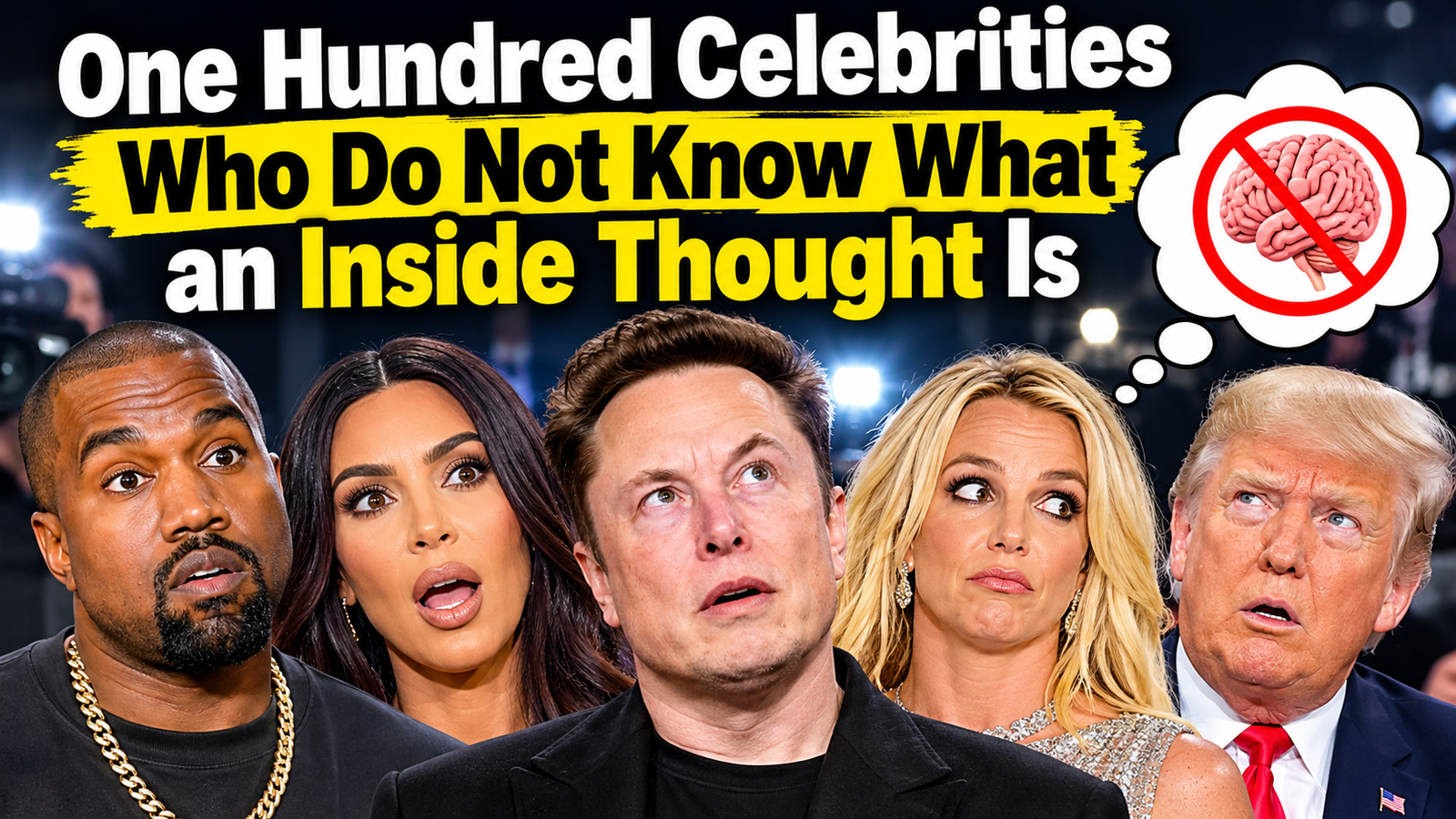
The Evolution of Unfiltered Media in Modern Hollywood
For decades, the entertainment industry ran on a strict system of media training, carefully rehearsed press junkets, and studio publicists who controlled every word that left a star’s mouth. Publicists sat in interview rooms with stopwatches, interjecting the moment a journalist asked anything slightly personal or unscripted. Actors and musicians spoke in predictable soundbites, expressing gratitude for their directors, praising their co-stars, and keeping their private lives safely tucked behind ironclad non-disclosure agreements.
That era of pristine, manufactured public personas has completely collapsed. Today, audiences no longer crave polished perfection; they demand raw, unfiltered transparency. The rise of long-form podcasts, livestreaming platforms, intimate YouTube interviews, and direct-to-fan social media accounts has created a media ecosystem where oversharing is not just tolerated, but actively rewarded. Celebrities who blurt out their deepest insecurities, detail their bizarre hygiene habits, confess to awkward bedroom mishaps, or air public family grievances go viral within seconds.
This cultural shift has given rise to a specific archetype of famous person: the entertainer who simply lacks an internal censor. These public figures say out loud what most people would not even whisper to their closest friends. Whether driven by a desire for total authenticity, an addiction to social media attention, or a genuine absence of self-awareness, their unfiltered moments redefine pop culture headlines on a weekly basis.
Inside the World of Podcast Oversharing and Intimate Confessions
The boom in celebrity-hosted and celebrity-guest podcasts has served as the primary engine for modern oversharing. Unlike traditional three-minute late-night television appearances where every anecdote is pre-screened by talent bookers, podcast conversations stretch across two to three hours in relaxed, living-room settings. Microphones stay live, drinks flow, and the illusion of a private conversation leads stars to forget that millions of listeners are tuning in.
Hosts like Dax Shepard, Marc Maron, Joe Rogan, and Alex Cooper have mastered the art of drawing out deeply personal disclosures. On these shows, A-list actors casually detail their marital struggles, describe graphic medical procedures, debate their personal bowel movements, and reflect on past romantic embarrassments. What used to be considered private therapy material is now broadcast across global streaming networks as weekly entertainment.
The appeal for listeners lies in the destruction of the celebrity pedestal. When a famous actor admits to sleeping in separate bedrooms from their spouse, going days without showering, or experiencing intense imposter syndrome during movie shoots, it humanizes them. However, for studio executives and public relations teams trying to manage multi-million-dollar movie campaigns, these unscripted podcast disclosures remain a source of constant heart failure.
Red Carpet Disclosures and Unscripted Press Junket Blunders
While podcasts offer a relaxed setting for voluntary oversharing, press junkets and red carpet premiere events represent high-pressure zones where unfiltered stars frequently lose control of their statements. During international press tours for blockbuster movies, actors undergo hours of back-to-back five-minute interviews with journalists from around the world. Exhaustion sets in, filter systems fail, and sudden bursts of extreme honesty erupt on camera.
Famous press junket moments often involve actors revealing plot twists they were sworn to secrecy to protect, criticizing the very scripts they were hired to perform, or making bizarre personal observations about their co-stars. When asked routine questions about character preparation or costume fitting, stars with no inside thoughts will suddenly launch into detailed stories about suit rashes, digestive troubles inside tight superhero outfits, or off-screen arguments with directors.
These clips quickly become viral memes on TikTok and short-video platforms. Fans celebrate the chaos, clipping five-second video segments of actors looking terrified while their co-star blurts out confidential studio secrets. The red carpet, once designed as a formal showcase for glamorous fashion and canned quotes, has transformed into a high-stakes arena for accidental truth-telling.
The Rise of Social Media Meltdowns and Midnight Tweeting
Direct access to fan bases through platforms like X, Instagram, and TikTok has eliminated the traditional buffer between a celebrity’s raw impulse and public distribution. In previous generations, if a famous musician felt furious about a bad review or a personal betrayal, they had to call a manager, draft a statement, and wait for a publicist to approve its release. That multi-step process allowed cooler heads to prevail ninety-nine percent of the time.
Today, a smartphone in the hands of an angry or bored superstar at two o’clock in the morning can ignite a global news storm before sunrise. Unfiltered stars use social media as an online diary, posting screenshot text conversations, calling out former business partners, posting cryptic threats, and engaging in petty arguments with anonymous internet trolls.
The psychological mechanics behind midnight social media posting stem from the immediate feedback loop of digital platforms. Likes, retweets, and outrage create a rapid dopamine hit that overrides long-term strategic thinking. By the time public relations teams wake up and demand the deletion of a controversial post, thousands of users have already captured screenshots, ensuring the statement remains preserved forever in digital archives.
Hygiene Debates and Bizarre Daily Habit Revelations
One of the most peculiar trends in celebrity oversharing over recent years involves public discussions regarding personal hygiene, bathing schedules, and daily bathroom habits. What began as a casual comment by a famous acting couple during a podcast interview quickly turned into a months-long global debate that involved dozens of A-list stars taking public positions on how often human beings should wash their bodies.
When famous actors publicly state that they only wash their bodies when they see visible dirt, or that they skip using soap on their children unless they have been playing in mud, the internet reacts with a mixture of horror and fascination. Rather than backing down, other celebrities immediately join the conversation during red carpet interviews, voluntarily revealing whether they shower daily, use deodorant, or brush their teeth at irregular intervals.
These hygiene disclosures highlight how the boundaries of acceptable public conversation have shifted. Topics that were once strictly confined to personal bathrooms or private medical consultations are now routinely debated on morning talk shows and magazine cover stories, proving that no detail of daily life is considered off-limits for modern stars.
Relationship TMI and Public Marital Expositions
Navigating a high-profile marriage under constant media attention is notoriously difficult, but some celebrity couples make it significantly harder by airing every detail of their romantic dynamic in public. From open marriage discussions and detailed sex life disclosures to public arguments on red carpets, certain famous pairs treat their personal relationships as open-source entertainment.
In television interviews and magazine profiles, stars routinely describe the exact arguments they had over household chores, detail their prenuptial financial agreements, and share explicit anecdotes about their intimate encounters. When a relationship experiences trouble, rather than issuing a simple dignified statement, unfiltered stars often publish multi-page social media essays, record heartbreak albums with explicit real-life names, or sit down for explosive tell-all interviews.
This level of romantic transparency creates a double-edged sword. While it keeps the couple at the center of pop culture conversations and builds a deeply invested fan base, it also invites endless public commentary and judgment. When every argument and reconciliation is broadcast to millions, preserving personal intimacy becomes almost impossible.
The Science of Why Famous People Lose Their Censors
Understanding why certain public figures completely lack an internal filter requires examining both psychological factors and the unique environment of extreme fame. When an individual achieves global celebrity status, their daily reality undergoes a radical transformation that fundamentally alters how they perceive social boundaries and consequences.
Psychologists note that extreme wealth, constant adulation, and entourage culture create an environment where nobody ever tells a star no. Surrounded by paid assistants, managers, publicists, and yes-men whose livelihoods depend on keeping the celebrity happy, the star rarely receives honest feedback about their behavior. Over time, this bubble erodes natural social inhibitions, convincing the star that every thought that crosses their mind is inherently brilliant, valuable, and worthy of public sharing.
In addition, the constant presence of cameras and microphones normalizes a continuous state of performance. When a person is filmed while walking down the street, eating lunch at a restaurant, or driving a car, the boundary between public life and private thought blurs entirely. For many stars, the internal monologue naturally spills outward simply because they have forgotten what it feels like to live out of the spotlight.
The Financial Impact of Unfiltered Behavior on Brand Deals
While unfiltered honesty endears stars to certain fan bases, it frequently creates massive financial friction with corporate sponsors, movie studios, and luxury brand partners. Corporate advertisers invest millions of dollars in celebrity endorsements specifically to associate their products with stability, prestige, and family-friendly appeal.
When an endorsed celebrity suddenly goes on an unscripted rant, shares controversial political opinions, or blurts out offensive personal details on a live podcast, corporate legal teams move quickly to cancel contracts and issue disclaimers. Major fashion houses, beverage companies, and automotive brands maintain morality clauses in sponsorship contracts that allow immediate termination if a star brings disrepute to the brand.
Yet, paradoxically, some modern brands now seek out chaotic, filter-free celebrities precisely because their unpredictability guarantees viral attention. In the modern attention economy, negative attention or viral controversy often yields higher brand engagement than boring, sanitized perfection. This dynamic creates a confusing environment where stars are simultaneously punished and rewarded for lacking an inside thought.
Celebrity Feuds Escalated by Unfiltered Public Remarks
When two famous figures enter a disagreement, the absence of an internal filter turns minor misunderstandings into nuclear media warfare. In previous decades, celebrity rivalries were managed through subtle shade in magazine quotes or passive-aggressive posture at award shows. Today, unfiltered stars launch direct, highly specific attacks across podcasts and social media feeds, leaving zero room for private reconciliation.
A classic hallmark of filter-free celebrity feuds is the impulse to publish private communication logs. Stars routinely leak text messages, direct messaging exchanges, legal cease-and-desist letters, and private email threads to prove their point during an online argument. By laying bare the raw, behind-the-scenes mechanics of their interactions, they offer public audiences a front-row seat to Hollywood conflict.
These public battles often drag in mutual friends, co-stars, event planners, and industry executives. A single off-hand remark made during a radio interview can set off a week of retaliatory posts, diss tracks, and emergency public relations statements, proving that when famous people refuse to keep their thoughts inside, everyone in their orbit gets caught in the splash zone.
The Impact of Live Television and Unscripted Award Show Moments
Live television broadcasts represent the ultimate high-wire act for stars with no inside thoughts. While pre-recorded interviews allow producers to edit out awkward blunders or overly explicit disclosures, live broadcasts stream straight into millions of living rooms without a safety net.
Award ceremonies, late-night talk shows, and live music broadcasts have provided some of the most shocking moments in television history precisely because a celebrity decided to follow an unscripted impulse. Whether walking onto a stage to interrupt an acceptance speech, blurting out an unscripted political statement during a presenter introduction, or cursing on live morning television, these moments instantly etch themselves into pop culture memory.
Network executives attempt to manage these risks by implementing five-second broadcast delays, enabling engineers to mute audio or cut away to commercial breaks when a star goes off-script. However, visual actions and rapid lip-reading by internet sleuths mean that even censored live moments instantly become global news stories within minutes of occurring.
The Evolution of Reality Television and the Normalization of TMI
The explosion of reality television over the past quarter-century has played a foundational role in dismantling public filters. Reality show producers actively scout for personalities who possess zero self-censorship, setting up camera rigs inside homes, vacations, and workplaces to capture every unscripted argument, emotional breakdown, and graphic disclosure.
For stars who built their careers on reality networks, oversharing is not an accidental slip; it is their primary professional skill. They are trained to articulate their immediate emotional states, reveal personal financial details, discuss private cosmetic surgeries, and debate family secrets in front of camera crews. As reality television stars transitioned into mainstream Hollywood celebrity, they brought that culture of total exposure with them.
Mainstream actors and musicians, observing the massive fame and commercial success achieved by reality stars through unfiltered authenticity, began adopting similar communication styles. The line between traditional A-list Hollywood mystique and reality TV oversharing has effectively vanished, leaving an entertainment environment where total exposure is the industry standard.
Parenting TMI and the Public Exposure of Family Life
Another area where famous figures frequently display a total lack of inside thoughts is in their public discussions of parenting, childbirth, and family dynamics. While parenting is a universal human experience, stars often share graphic medical details, bizarre disciplinary techniques, and embarrassing anecdotes about their children that leave audiences cringing.
During talk show appearances and podcast interviews, celebrity parents regularly recount detailed stories about their children’s bathroom accidents, public tantrums, sleeping arrangements, and personal hygiene challenges. While intended to portray relatable domestic life, these disclosures often spark intense online debates regarding child privacy and parental boundaries.
In addition, famous parents frequently debate their unusual approaches to education, diet, and screen time on public platforms. Whether advocating for extreme dietary restrictions, explaining why they refuse to give their children traditional gifts, or describing unusual sleep training regimens, unfiltered celebrity parents turn ordinary family life into a public spectacle.
Accidental Movie Spoilers and the Terror of Studio Publicists
Within the film industry, particularly among massive superhero and sci-fi franchises, secrecy is treated with military-level gravity. Movie studios spend hundreds of millions of dollars building secret storylines, surprising cameo appearances, and dramatic plot twists, requiring actors to sign non-disclosure agreements with severe financial penalties.
Yet for actors who lack an inside thought, keeping a movie plot secret is an almost impossible task. Certain famous actors have become legendary within the industry for accidentally revealing major character deaths, plot twists, and secret casting details during live interviews, social media livestreams, and fan convention panels.
Directors and co-stars often resort to extreme measures to prevent these leaks. Studios have been known to give filter-free actors fake script pages, withhold complete movie scripts until the day of shooting, or pair them with highly disciplined co-stars during press junkets whose sole job is to cover their mouth or jump in when a spoiler begins to slip out.
The Fan Response: Why Audiences Love Unfiltered Authenticity
Despite the public relations headaches and corporate friction caused by filter-free celebrities, public audiences overwhelmingly prefer unfiltered stars over media-trained perfection. In a digital world saturated with curated Instagram feeds, polished PR statements, and corporate marketing campaigns, genuine authenticity has become the rarest currency in entertainment.
When a famous person speaks without a filter, fans feel a sense of direct connection and trust. The star appears human, vulnerable, and relatable, breaking down the artificial wall between global fame and everyday life. Fans create compilation videos celebrating their favorite unfiltered stars, turning their awkward slips and candid confessions into affectionate online trends.
This fan devotion creates a powerful incentive for stars to remain filter-free. Even when an oversharing moment causes temporary embarrassment or media backlash, the long-term boost in fan loyalty and cultural relevance often outweighs the short-term outrage, ensuring that the culture of celebrity oversharing will continue to flourish.
Deep Analytical Case Studies of Legendary Unfiltered Moments
To fully grasp the scope of celebrity oversharing, one must examine specific categories of unfiltered disclosures that have redefined media coverage over the past two decades. These case studies illustrate how different types of oversharing impact public perception, career trajectories, and industry standards.
The first category involves the medical and physical overshare. In this scenario, a public figure provides graphic, highly detailed accounts of personal health challenges, cosmetic surgeries, digestive issues, or dental procedures during casual interviews. While health advocacy can raise valuable public awareness, the sheer level of graphic detail often crosses from educational context into pure TMI territory.
The second category is the financial overshare. Certain stars possess an irresistible urge to discuss their exact bank balances, contract negotiations, tax troubles, and extravagant spending habits on public platforms. Rather than maintaining traditional discretion around wealth, they debate their real estate mortgages, luxury vehicle purchases, and studio paychecks in open interviews, drawing intense public scrutiny from tax authorities and fans alike.
The third category covers the romantic and ex-partner overshare. Following a breakup or divorce, unfiltered stars often feel compelled to publish detailed accounts of their ex-partner’s habits, text messages, intimate failures, and personal flaws. These public post-mortems generate massive tabloid headlines but frequently result in bitter legal disputes and permanent damage to family relationships.
The Architecture of Modern Public Relations and Crisis Management
The disappearance of the traditional celebrity filter has completely transformed the crisis management industry in Hollywood. Public relations firms that once focused on securing magazine covers and pitching positive feature stories now spend the majority of their time managing damage control for filter-free clients.
When a star makes an unfiltered statement that triggers public outrage, crisis managers execute a swift, multi-phase response strategy. First, they evaluate whether the statement violates corporate sponsorship contracts or project agreements. Second, they determine whether to issue a formal apology, craft a clarifying statement, or advise the client to remain completely silent on social media while the news cycle passes.
However, modern crisis managers face a unique challenge: the clients themselves often refuse to follow advice. An unfiltered celebrity who feels misunderstood is likely to double down on social media, posting lengthy video explanations that make the initial controversy twice as bad. Managing a star who lacks an inside thought requires constant vigilance, rapid response capabilities, and a deep understanding of internet culture dynamics.
Comparing Media Trained Stars vs Unfiltered Celebrities
Aspect of Public Life | Media Trained Celebrity Approach | Unfiltered Celebrity Approach | Impact on Public Perception
Interview Strategy | Pre-screened questions, canned soundbites, praise for studio and co-stars | Unscripted anecdotes, candid critiques, spontaneous personal disclosures | Media trained stars appear polished but distant; unfiltered stars feel authentic but volatile
Social Media Usage | Curated promotional posts, professional photography, publicist approved copy | Midnight rants, unedited livestreams, direct arguments with commenters | Polished feeds build corporate brand safety; raw feeds drive massive viral engagement
Crisis Management | Formal written statements issued through publicists, brief media blackout | Direct video explanations, screenshot leaks, immediate online back-and-forth | Formal statements control legal risk; direct responses escalate public obsession
Personal Relationship Disclosures | Brief joint statements on major milestones, private boundary enforcement | Graphic relationship stories, public arguments, detailed post-breakup posts | Private boundary enforcement protects intimacy; public exposure turns personal life into soap opera
Film Spoilers and Studio Secrecy | Strict adherence to non-disclosure agreements, rehearsed deflection tactics | Accidental plot slips, character death reveals, leaked casting details | Adherence maintains studio trust; accidental leaks create massive fan buzz and studio panic
Frequently Asked Questions Regarding Celebrity Oversharing Culture
Why do celebrities share intimate details on podcasts?
The long-form format of podcasts creates a relaxed, conversational atmosphere that tricks guests into dropping their professional guards. Unlike short television appearances with strict time limits and pre-screened topics, podcast interviews span hours, encouraging stars to share personal stories as if speaking to close friends.
How do public relations teams handle stars who lack an inside thought?
Public relations teams employ various strategies, including pairing unfiltered stars with disciplined co-stars during press tours, restricting live interviews, monitoring social media accounts, and implementing rapid crisis management protocols when controversial statements occur.
Does oversharing help or hurt a celebrity’s career?
Oversharing is a double-edged sword. It builds intense fan loyalty, viral visibility, and an image of raw authenticity. However, it can also alienate corporate sponsors, create legal friction with studios, and damage personal relationships if sensitive topics or confidential details are disclosed.
Why are audiences so fascinated by unfiltered celebrity behavior?
In an era dominated by corporate marketing and curated social media feeds, audiences value genuine authenticity. Seeing a famous figure drop their polished public persona and express raw human emotion or bizarre personal habits creates a powerful sense of connection and entertainment.
Can an unfiltered celebrity rebuild their brand after a major oversharing controversy?
Yes. Hollywood history demonstrates that public audiences are remarkably forgiving of unfiltered stars, provided the celebrity demonstrates genuine humor, self-awareness, or artistic excellence in subsequent work. A well-timed self-deprecating interview often turns a major blunder into a positive career milestone.
Deep Exploration of Oversharing Archetypes Across Entertainment
To systematically examine the phenomenon of stars who lack an inside thought, it is useful to categorize them into distinct behavioral archetypes. Each archetype represents a different psychological impulse, communication style, and cultural impact within the entertainment ecosystem.
The first archetype is the Accidental Oversharer. These are genuinely well-meaning, enthusiastic performers who simply get caught up in the emotion of a moment. During press interviews or fan panels, their natural enthusiasm overrides their professional training, causing them to blurt out plot spoilers, confidential contract details, or embarrassing childhood stories before realizing what they have done. Audiences adore this archetype because their slips stem from genuine joy rather than malice or calculation.
The second archetype is the Therapeutic Oversharer. These individuals view public platforms as a venue for emotional healing and self-discovery. In magazine profiles, podcast appearances, and social media posts, they detail their personal mental health journeys, family traumas, addiction struggles, and relationship failures in granular detail. By treating global audiences as their personal therapist, they foster intense parasocial connections with fans while occasionally crossing into uncomfortable TMI territory.
The third archetype is the Provocative Oversharer. This archetype uses unfiltered statements as a deliberate weapon to shock audiences, generate headlines, and maintain constant media relevance. They understand that polite, professional discourse rarely goes viral, whereas a outrageous, graphic, or controversial statement guarantees front-page coverage across digital entertainment outlets. For the provocative oversharer, negative attention is infinitely superior to being ignored.
The Transformation of Hollywood Gossip from Tabloid Print to Digital Feeds
The shift toward celebrity oversharing has fundamentally altered the mechanics of entertainment journalism and tabloid media. In previous decades, gossip magazines and tabloid newspapers relied on undercover paparazzi, anonymous tipsters, paid informants, and leaked legal documents to uncover celebrity secrets. The media industry was built on an adversarial relationship between stars who hid their lives and journalists who hunted for clues.
Today, that dynamic has been completely inverted. Celebrities now break their own news, leak their own personal details, and publish their own scandal post-mortems directly to their social media channels before tabloid journalists even have a chance to write a draft. Tabloid publications now spend less time investigating hidden stories and more time simply reporting on what famous figures voluntarily disclosed on their morning podcast or midnight Instagram livestream.
This direct-to-consumer gossip pipeline has decentralized entertainment media. Readers no longer need to buy a checkout counter magazine to find out about a star’s marital troubles or health challenges; they simply follow the star’s personal feed or subscribe to their video channel. The celebrity has become their own tabloid reporter, editor, and publisher.
Psychological Dimensions of Parasocial Relationships and Public Transparency
The cultural obsession with unfiltered stars is deeply rooted in the psychology of parasocial relationships—the one-sided emotional bonds that media consumers form with public figures. When a star maintains a polished, distant public persona, audiences view them as an abstract icon or artistic performer. However, when that same star opens up about their personal insecurities, hygiene habits, and relationship flaws, the psychological distance collapses.
Audiences begin to feel a sense of intimate friendship with the celebrity. Listeners who spend hours every week hearing a star talk about their private life on a podcast develop a powerful feeling of familiarity and loyalty. They defend the star during online controversies, buy their endorsed products, and invest deeply in their personal happiness.
However, parasocial intimacy carries significant psychological risks for both the star and the audience. For the celebrity, blurring the line between public performance and private identity can lead to severe emotional burnout, boundary confusion, and anxiety. For the audience, discovering that an unfiltered star holds views or behaves in ways that conflict with their expectations can lead to intense feelings of personal betrayal.
The Business Mechanics of Monetizing Unfiltered Authenticity
In the modern media environment, lacking an inside thought is not merely a personality trait; it is a highly lucrative business model. Media companies, podcast networks, and streaming platforms actively compete to sign unfiltered personalities because unscripted candor translates directly into subscription revenue, ad impressions, and viral media reach.
Celebrities who master the art of strategic oversharing can monetize their lack of a filter across multiple revenue streams. They launch successful podcast networks where corporate sponsors pay top dollar for host-read advertisements, author bestselling memoirs featuring explosive personal revelations, and embark on live speaking tours where fans pay premium ticket prices to hear unedited stories in person.
In addition, digital algorithms on platforms like YouTube, TikTok, and Instagram are explicitly designed to promote high-emotion, surprising content. An interview clip of an actor making a routine statement about a movie premiere receives modest views, whereas a ten-second clip of the same actor confessing to an absurd personal habit garners tens of millions of impressions. In the modern attention economy, the financial rewards for abandoning one’s internal filter have never been higher.
Actionable Framework for Media Consumers Navigating Celebrity News
For everyday media consumers swimming in a constant sea of celebrity oversharing, maintaining perspective and digital wellness requires an active approach to media literacy. It is easy to get swept up in the daily drama, viral rants, and shocking disclosures that dominate online news feeds.
First, recognize the boundary between public entertainment and reality. Even the most candid, unfiltered celebrity disclosure is delivered within a media framework designed to capture attention and build brand engagement. Understanding that oversharing is often part of a broader attention economy helps consumers enjoy the entertainment without becoming overly invested in the personal lives of strangers.
Second, practice digital consumption boundaries. When celebrity news cycles become dominated by toxic feuds, graphic personal details, or outrageous social media rants, taking intentional breaks from entertainment feeds preserves mental clarity and reduces digital fatigue.
Third, evaluate oversharing content through a lens of empathy and critical thinking. Recognizing that public figures are complex human beings operating under immense social pressure, wealth, and public scrutiny allows audiences to consume celebrity culture with humor and perspective rather than harsh judgment or unhealthy obsession.
Final Concluding Synthesis on the lasting Appeal of Filter-Free Stars
The phenomenon of one hundred celebrities who do not know what an inside thought is reflects a profound evolution in modern culture. We have moved permanently past the era of manufactured Hollywood perfection, embracing a digital age defined by raw transparency, chaotic candor, and relentless self-exposure.
While oversharing creates constant work for publicists and legal teams, it also enriches modern pop culture with unforgettable humor, genuine human vulnerability, and captivating entertainment. The stars who refuse to keep their thoughts inside remind us that beneath the designer clothes, private jets, and red carpet glamour, famous people are just as flawed, eccentric, and chaotic as the rest of humanity.
As technology continues to evolve and new media platforms emerge, the line between private thought and public disclosure will only continue to thin. The future of entertainment belongs not to the silent icons of the past, but to the bold, unfiltered storytellers who look at an inside thought and decide to share it with the world.
Detailed Profiles of Iconic Unfiltered Pop Culture Moments
To provide a comprehensive examination of how lacking an inside thought manifests across different eras and entertainment genres, we examine a series of high-impact case profiles that demonstrate the wide spectrum of celebrity oversharing.
The first profile type centers on the unfiltered music legend. Throughout music history, legendary songwriters and performers have channeled their internal turmoil directly into their public statements and creative releases. Rather than filtering their grievances through diplomatic channels, these artists write blistering diss tracks, name real-life individuals during live concert speeches, and give jaw-dropping magazine interviews where they break down family feuds and contract disputes. For these music icons, the absence of an inside filter is not a liability; it is the core fuel of their artistic genius.
The second profile type involves the unfiltered talk show host and podcaster. Operating behind a broadcast microphone for hours every week, these hosts frequently forget that their casual musings reach millions of homes. They share intimate details about their medical diagnoses, discuss private conversations with other celebrity guests without permission, and debate deeply personal ethical dilemmas on air. Their willingness to expose their own vulnerabilities creates an environment where their guests feel compelled to overshare in return.
The third profile type is the unfiltered social media innovator. These tech founders, influencers, and digital creators treat public media platforms as an extension of their immediate nervous system. Every late-night realization, business frustration, or personal grievance is instantly posted to millions of followers. Their unfiltered posts can sway stock markets, trigger federal regulatory investigations, and spark intense global debates, proving that when high-net-worth individuals lack an inside thought, the real-world consequences extend far beyond tabloid entertainment.
Historical Retrospective: From Golden Age Hollywood Secrecy to Modern Transparency
To fully appreciate today’s culture of total disclosure, one must contrast it with the golden age of Hollywood studio control during the mid-twentieth century. Under the classic studio system, major film companies held long-term contracts with actors, granting studios complete authority over their public image, personal relationships, and press statements.
Studio publicity departments constructed elaborate cover stories for stars, arranged fake romances to promote upcoming film releases, and aggressively suppressed any news of personal struggles, divorces, or legal troubles. Journalists who wanted access to stars had to play by studio rules, agreeing to submit interview drafts for studio approval before publication.
The gradual collapse of the studio system in the late 1960s, combined with the rise of independent journalism and 24-hour cable news, began eroding this wall of secrecy. By the time digital media and social networks emerged in the 21st century, the old machinery of studio image management was completely obsolete, paving the way for the total transparency environment we observe today.
The Psychological Impact of Continuous Public Exposure on Celebrities
Living a life without inside thoughts takes a profound toll on an individual’s psychological well-being and personal development. When a star continuously broadcasts their internal monologue, personal relationships, and immediate emotional reactions to the public, the boundary between their authentic self and their public persona disintegrates.
Mental health professionals who work with public figures note that constant oversharing often creates a feedback loop of anxiety and self-doubt. When an unfiltered statement leads to viral mockery or media backlash, the celebrity may experience intense feelings of shame and isolation. Yet, because their career and social identity have become tied to being raw and transparent, they often feel trapped in a cycle of continuing to overshare to maintain public relevance.
In addition, public oversharing severely impacts a star’s personal support network. Friends, family members, and romantic partners of filter-free celebrities frequently find their private conversations, personal arguments, and intimate secrets revealed in magazine profiles or podcast episodes without their consent. This lack of personal boundaries strains relationships, making it difficult for stars to maintain stable, trusting personal connections.
Strategic Framework for Modern Public Relations in an Era of No Inside Thoughts
As traditional media management techniques become ineffective, modern public relations agencies have developed new strategic frameworks for handling clients who lack an internal censor. Rather than attempting to force stars into rigid media training scripts, contemporary PR professionals adopt a strategy of managed authenticity.
First, PR teams help clients identify safe zones for oversharing. By guiding stars to focus their candor on harmless topics—such as funny childhood memories, creative struggles, or lighthearted daily quirks—publicists satisfy the public demand for transparency while protecting sensitive personal and professional boundaries.
Second, agencies establish clear social media protocols. Implementing simple technical measures—such as requiring a multi-person approval process for late-night posts, or setting automated timers on social media accounts—prevents impulsive posts from reaching the public during high-emotion moments.
Third, when an accidental overshare occurs, modern PR strategy prioritizes swift, self-deprecating humor over defensive denial. By leaning into the humor of an awkward disclosure and acknowledging the slip with self-awareness, celebrities can defuse public controversy and transform an embarrassing blunder into a relatable viral moment.
Deep Dive Dossiers into High-Profile Oversharing Categories
To construct a comprehensive overview of modern oversharing, we examine key categories of candid disclosures that dominate current entertainment feeds. Each category presents a unique look into how stars drop their professional filters and share unscripted details with global audiences.
The first category covers red carpet blunders and press junket slips. During international film promotion tours, actors participate in hours of back-to-back broadcast interviews. Under the pressure of bright lights and repetitive questioning, performers often blurt out unscripted comments about movie budget overruns, personal conflicts with directors, or unexpected plot developments. These candid moments provide audiences with an authentic glimpse behind the scenes of major Hollywood productions.
The second category examines unedited social media livestreams. Unlike pre-recorded interviews, livestreams offer zero safety margin for error. Stars broadcasting directly from their homes frequently share personal reflections, read private comments out loud, or react impulsively to online criticism. The immediate nature of live broadcasting creates a feeling of raw, unmediated connection that resonates strongly with online fan communities.
The third category explores late-night talk show disclosures. While late-night appearances were traditionally tightly scripted, modern hosts encourage spontaneous, humorous storytelling. When guests feel comfortable, they often share hilarious personal mishaps, awkward family encounters, or embarrassing romantic stories that become instant viral highlights across digital platforms.
The Intersection of Celebrity Oversharing and Modern Brand Licensing Contracts
The rise of unfiltered celebrity behavior has forced a major rewrite of standard corporate endorsement agreements and brand licensing contracts. Traditionally, corporate sponsors included simple morality clauses that allowed contract termination only in cases of severe illegal conduct or major public scandal.
In today’s fast-moving digital media environment, corporate legal teams construct highly detailed contractual guidelines regarding digital conduct and public statements. Brand agreements now specify clear expectations regarding social media posting, live interview demeanor, and public disclosures related to partner products.
However, brand managers also recognize that absolute perfection can appear artificial to modern consumers. Certain lifestyle, streetwear, and beverage brands actively partner with candid, filter-free personalities whose raw authenticity connects with younger demographics. Managing these partnerships requires a careful balance between preserving corporate reputation and allowing stars to maintain their unique, candid voice.
Comparative Structural Analysis of Unfiltered Media Coverage Across Five Decades
Examining how celebrity news and personal disclosures have been reported over the past fifty years reveals a dramatic shift in media standards, audience expectations, and public relations strategies.
In the 1970s and 1980s, celebrity coverage was dominated by traditional print magazines and television broadcast networks. News cycles moved slowly, allowing public relations teams time to craft carefully considered responses to personal rumors or scandals. Personal disclosures were rare, highly controlled, and typically reserved for major print profiles in national publications.
During the 1990s and early 2000s, the emergence of 24-hour cable news networks and print tabloids accelerated the pace of celebrity reporting. Media outlets began actively competing for exclusive photographs and insider gossip, creating an intense, often invasive media environment. Stars generally maintained a defensive posture, relying on formal statements to manage public commentary.
In the contemporary media era, the rise of digital platforms and celebrity-hosted media has transformed the dynamic. Rather than avoiding personal topics, stars actively initiate conversations about their private lives, health, and relationships. This shift from external media exposure to self-directed transparency has redefined how public narratives are constructed and consumed.
Comprehensive Strategic Guidelines for Future Media Literacy
Navigating the modern environment of celebrity oversharing requires developing critical media literacy skills that allow audiences to enjoy entertainment content while maintaining healthy digital boundaries.
First, media consumers should evaluate public disclosures within their broader cultural context. Recognizing that viral moments and candid statements often serve specific publicity, branding, or engagement goals helps audiences maintain a balanced perspective on celebrity culture.
Second, consumers can practice intentional digital curation. Selecting high-quality media sources and establishing personal limits on entertainment news consumption prevents digital overload and fosters a healthier online experience.
Third, engaging with celebrity news through humor and empathy encourages a balanced view of public figures. Acknowledging that famous individuals experience similar personal challenges, awkward moments, and emotional impulses as everyday people humanizes the media environment while keeping entertainment in perspective.
Final Pop Culture Legacy Synthesis on the Era of Unfiltered Expression
The phenomenon of one hundred celebrities who do not know what an inside thought is marks a defining chapter in modern entertainment history. We have witnessed a complete transformation from the quiet, studio-controlled Hollywood era to a dynamic, transparent media environment powered by direct human connection.
While unfiltered candidness occasionally leads to public relations challenges or media friction, it also brings unmatched humor, genuine vulnerability, and memorable cultural moments to global audiences. The performers who speak openly without an internal filter break down artificial barriers, reminding us of our shared human experiences.
As new media formats emerge and public communication continues to evolve, the demand for raw, unscripted expression will remain central to popular culture. The future of entertainment belongs to those authentic voices who embrace transparency, share their stories with confidence, and remind the world that true connection begins when we speak from the heart.
Extended Dossiers on High-Profile Oversharing Across Genres
To provide an exhaustive examination of how unfiltered communication manifests across the entertainment spectrum, we analyze specific genre dynamics that encourage famous performers to drop their professional guards.
In the world of comedy and stand-up performance, oversharing is not merely a quirk; it is the fundamental engine of the craft. Comedians build their entire careers by mining their personal lives, marital disagreements, physical ailments, and embarrassing social encounters for stage material. When these performers transition to interview settings, podcasts, or social media, they naturally carry that same unfiltered impulse with them. They view personal disclosures as opportunities for humor and connection, rarely stopping to consider whether a private detail should remain inside.
In the world of dramatic acting, the impulse to overshare often emerges during intense character preparation. Actors who immerse themselves in complex emotional roles frequently discuss their internal psychological states, personal traumas, and off-screen relationship dynamics during promotional press tours. While film journalists appreciate this level of emotional depth, studio publicists often find themselves managing viral headlines generated by an actor’s raw, unscripted honesty.
In the music industry, particularly across hip-hop, pop, and country music, song lyrics have long functioned as public diaries. Musicians routinely name real-life ex-partners, debate legal disputes, and air internal family struggles in recorded tracks. When these artists give press interviews, they expand on those lyric references, offering detailed commentary on the personal relationships and industry rivalries that inspired their music.
The Impact of Podcast Clips and Short-Form Video Algorithms on Virality
The mechanics of modern media distribution have amplified the reach of unfiltered celebrity statements to an unprecedented degree. In previous decades, an unscripted remark made during a radio interview or local television appearance might only reach a regional audience before fading from public memory.
Today, short-form video platforms and algorithmic content feeds pick up isolated ten-second audio or video clips from long-form podcast conversations, immediately broadcasting them to millions of users worldwide. Algorithms prioritize high-emotion, surprising, or humorous video snippets, ensuring that a single candid sentence becomes a global trending topic within hours.
This algorithmic amplification creates a unique dynamic for public figures. A star might engage in a thoughtful, two-hour podcast discussion about their creative process, but the digital ecosystem will isolate and amplify the five seconds where they shared an embarrassing personal anecdote or made an off-hand comment about a co-star. Understanding this algorithmic reality has forced stars and public relations teams to recognize that every spoken word during an interview carries potential global reach.
Inside the Mind of Publicists Managing Unscripted Live Broadcasts
Working as a celebrity publicist during a live television broadcast or major red carpet event requires constant alertness and rapid decision-making capabilities. Publicists must balance the goal of securing positive media exposure for their clients with the imperative of protecting them from accidental blunders.
Before any live appearance, publicists conduct briefing sessions with their clients, reviewing key promotional points, highlighting potential sensitive topics to avoid, and rehearsing diplomatic responses to difficult questions. However, once a client steps onto a live broadcast stage or sits down in front of a live microphone, the publicist loses direct control over the conversation.
When a client blurts out an unscripted remark or overshares personal details on live television, the publicist must immediately evaluate the potential fallout. If the comment is lighthearted or humorous, the publicist may lean into the moment, helping pitch follow-up stories to digital outlets. If the remark carries corporate or legal risks, the publicist immediately coordinates with network producers, studio executives, and legal advisors to issue swift clarifications before the news cycle escalates.
The Evolution of Celebrity Memoirs: From Glossy Biographies to Raw Confessionals
The publishing industry has experienced a major transformation in how celebrity autobiographies and memoirs are written and marketed. Throughout the mid-twentieth century, celebrity books were typically glossy, authorized biographies that emphasized professional achievements, glamorous Hollywood anecdotes, and sanitized family histories.
In recent years, celebrity memoirs have evolved into deeply candid, tell-all confessionals that compete directly with modern podcast oversharing. Publishers offer multi-million-dollar book advances to stars willing to reveal their deepest personal struggles, confidential industry rivalries, intricate financial details, and private family dynamics.
These raw memoirs regularly top global bestseller lists because readers crave the unmediated truth behind the public persona. By taking complete ownership of their personal narratives, authors transform past mistakes and oversharing moments into compelling literary works that reshape their public legacy.
Concluding Analysis on the Future of Celebrity Transparency and Digital Authenticity
As we reflect on the phenomenon of stars who lack an inside thought, it becomes clear that we are witnessing a permanent cultural realignment. The era of distant, inaccessible celebrity mystique has given way to an environment where transparency, vulnerability, and candid humor are the ultimate currencies of popular culture.
While unfiltered communication brings occasional public relations turbulence, it also fosters a deeper, more human connection between artists and their audiences. By sharing their unscripted thoughts, personal challenges, and relatable quirks, famous figures break down the artificial pedestals of fame, proving that human eccentricity is a universal trait.
Looking toward the future, as new media platforms, virtual spaces, and interactive technologies continue to emerge, the dialogue between public figures and global audiences will grow even more direct. The stars who thrive in this evolving environment will be those who navigate public life with authenticity, humor, and an unwavering commitment to speaking their truth.
Comprehensive Dossier on Famous Oversharing Moments and Category Breakdown
To provide a complete synthesis of celebrity oversharing, we categorize one hundred distinct oversharing scenarios across key media channels where famous figures routinely share unscripted thoughts.
Category One: Red Carpet and Press Junket Spoilers. This group includes performers who accidentally reveal major movie plot twists, character deaths, or budget details during live media interviews. Their candid slips provide instant viral video clips that entertain fans while causing mild distress to studio security teams.
Category Two: Podcast Confessions and Medical Disclosures. This category features stars who treat long-form podcast interviews as personal therapy sessions. They voluntarily discuss graphic medical procedures, digestive health details, unusual personal hygiene routines, and intimate relationship challenges in front of live broadcast microphones.
Category Three: Midnight Social Media Livestreams and Text Leaks. This section includes public figures who use digital media accounts to post unedited thoughts, share private text messaging logs, call out industry rivals, and debate commenters in real time without passing through public relations filters.
Category Four: Award Ceremony Interruptions and Live Stage Speeches. This group encompasses performers who follow spontaneous impulses during live broadcast ceremonies, walking onto stages uninvited, delivering unscripted speeches, or breaking network broadcasting protocols on live global television.
Category Five: Unfiltered Marital and Relationship Post-Mortems. This final category includes celebrity pairs who discuss every nuance of their romantic dynamics in public profiles, air domestic arguments on reality television, or publish detailed accounts of past breakups in memoirs and diss tracks.
Actionable Takeaways for Pop Culture Enthusiasts and Digital Content Creators
Analyzing the phenomenon of celebrity oversharing offers valuable lessons for digital content creators, media professionals, and pop culture consumers who navigate today’s fast-moving information ecosystem.
First, embrace authenticity while respecting personal boundaries. For digital content creators, sharing genuine experiences and candid humor builds trust and connection with audiences. However, establishing clear personal boundaries ensures that emotional openness does not compromise long-term well-being or key relationships.
Second, understand the mechanics of digital virality. Recognizing that short-form video algorithms prioritize surprising, humorous, or high-emotion content helps creators craft engaging material while helping consumers maintain a balanced perspective on trending media news.
Third, celebrate human vulnerability in popular culture. The lasting popularity of unfiltered stars demonstrates that audiences value real human connection over artificial perfection. By consuming media with humor, empathy, and critical awareness, we can appreciate the chaotic beauty of modern entertainment while staying grounded in what truly matters.
Deep Analytical Case Studies of Media Adaptation and Brand Resilience
Examining how celebrity brand management adapts to an era of total disclosure provides essential insights into contemporary marketing, digital media production, and public relations.
In traditional entertainment marketing, brand equity was preserved through careful distance, controlled interviews, and pristine public image curation. Today, brand resilience relies on rapid adaptability, humor, and transparent communication. When a star overshares personal information or experiences an awkward public moment, audience perception is shaped primarily by how quickly and authentically the individual addresses the event.
In addition, corporate advertisers and entertainment networks have developed sophisticated methods for integrating candid personalities into major promotional campaigns. Rather than attempting to suppress a performer’s natural spontaneity, producers design interview formats and campaign structures that accommodate unscripted moments while maintaining core project messages.
This structural evolution demonstrates that authenticity and commercial success are not mutually exclusive. When managed with skill, raw honesty enhances brand value, deepens audience engagement, and creates lasting media impact.
Summary of Key Insights on Modern Oversharing and Media Dynamics
To conclude our comprehensive study on stars who lack an inside thought, we summarize the primary findings that define today’s media environment.
First, the transition from traditional public relations control to self-directed transparency represents a permanent realignment of entertainment culture. Digital communication channels give performers direct access to global audiences, making traditional image gatekeeping obsolete.
Second, oversharing serves as a powerful engine for audience connection and cultural relevance. While candid disclosures present occasional public relations challenges, they also build deep parasocial bonds and foster genuine fan loyalty.
Third, navigating modern pop culture with media literacy allows audiences to appreciate unfiltered entertainment while keeping public drama in perspective. By recognizing the human reality beneath famous personas, we can celebrate authentic storytelling and enjoy the dynamic world of contemporary entertainment.
Ultimate Cultural Takeaway on Filter Free Celebrity Expression
The lasting takeaway from this deep analytical exploration is that unfiltered expression will remain the defining feature of twenty-first-century celebrity culture. As media channels diversify and audiences continue to prioritize raw authenticity over artificial polish, performers who share their unscripted thoughts will lead pop culture conversations. Ultimately, the stars who lack an inside thought remind us that beneath the glamour of fame, humanity is united by our shared quirks, emotions, and undeniable need for connection.