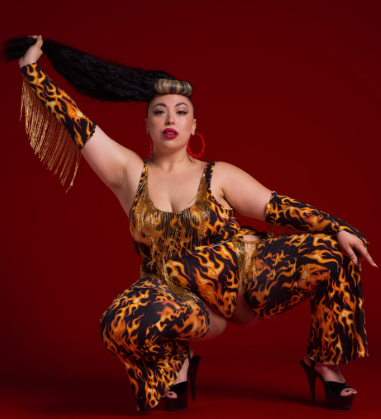
The Sudden Disappearance of Curve on the Red Carpet
Look closely at international fashion runways, red carpet galas, and entertainment award shows today, and a striking visual shift becomes impossible to ignore. After more than a decade of public conversations surrounding body positivity, size diversity, and inclusive beauty standards, celebrity culture is visibly shrinking. Figures who once championed full-figured glamour or spoke openly about accepting their natural bodies have undergone rapid, dramatic physical transformations. High-fashion houses that briefly hired plus-size models for headline-grabbing runway shows have quietly returned to ultra-skinny cast lists. Retail brands that once ran high-profile inclusive campaigns have quietly pared down their extended size lines or discontinued them altogether.
Across pop culture, the message being sent to audiences is uncomfortably familiar: thinness has reclaimed its spot as the supreme currency of social capital and glamour. The brief era when larger bodies were celebrated on magazine covers and fashion billboards is being replaced by a aggressive return to early two-thousands aesthetic ideals. The resurgence of extreme weight-loss trends, fueled by the widespread adoption of GLP-1 medications and aggressive beauty policing, has effectively erased much of the hard-won visibility that plus-size advocates spent years building.
For performers, activists, and everyday people who built their lives around body acceptance, this rapid rollback feels like a profound cultural betrayal. It exposes how fragile corporate inclusion really was, proving that much of the mainstream body positivity movement was treated as a temporary marketing phase rather than a permanent commitment to human equality. As public figures smaller than ever dominate global feeds, voices from the radical arts community are stepping forward to push back against this regression.
Burlesque star and community organizer Felicity Tchorlian, known onstage as Demon Derriere, stands at the forefront of this counter-cultural push. From her base in Australia, Tchorlian has watched the steady vanishing of plus-size bodies from mainstream media with deep frustration and anger. As a hard-of-hearing neo-burlesque artist of Egyptian and Lebanese heritage, she understands firsthand how rare genuine representation really is. For years, she has used her art form to challenge fatphobia, celebrate fat joy, and demand spatial dominance for bodies that society routinely tells to shrink. Today, as Hollywood and global pop culture undergo a massive slimming down, Tchorlian is demanding that plus-size representation be restored, expanded, and protected against corporate erasure.
Felicity Tchorlian and the Voice of Big Thick Energy
To understand Felicity Tchorlian’s crusade for body representation, one must understand the radical philosophy behind her onstage persona, Demon Derriere. Tchorlian is not merely a dancer or entertainer; she is a cultural force who uses neo-burlesque, twerk, and live striptease as direct political statements. She is the founder and creative director of Big Thick Energy, a multi-disciplinary arts festival and party platform explicitly designed to celebrate fat, queer, disabled, and racially diverse bodies.
Growing up as a hard-of-hearing woman with Middle Eastern heritage, Tchorlian spent years navigating a world that demanded her compliance, quietness, and physical reduction. Instead of conforming, she turned to dance as a primary vehicle for self-expression and sensory liberation. Burlesque allowed her to feel the deep bass vibrations of music through the floorboards, connecting her physical movement directly to rhythmic sensation. More importantly, it gave her a platform to take up space without apology.
Onstage, Demon Derriere commands attention. Her performances combine traditional belly dance roots with explosive twerk technique and unapologetic striptease, transforming what mainstream culture views as taboo into an empowering celebration of physical autonomy. Through Big Thick Energy, she created a haven where plus-size performers and audience members could gather without feeling judged, fetishized, or sidelined. The event was born out of necessity, responding to an entertainment industry that repeatedly relegated larger performers to novelty acts, comedic relief, or token background dancers.
As celebrity culture shifts back toward strict thinness, Tchorlian views her work with Big Thick Energy as more urgent than ever. She argues that the sudden disappearance of larger bodies from public life is not a natural evolution of taste, but a coordinated cultural retreat. When celebrities shrink, the cultural pressure on everyday people to modify, starve, or hide their bodies intensifies dramatically. Tchorlian’s demand for plus-size representation is a call to resist this cycle and reclaim physical autonomy in a society obsessed with physical reduction.
The Illusion of Inclusion and the Return of the Nineties Aesthetic
The return to extreme thinness in celebrity culture did not happen overnight, but its acceleration over the past several years has been astonishing. Throughout the mid-two-thousand-tens, major media outlets, fashion publications, and consumer brands heavily promoted what appeared to be a revolution in body representation. Curvy models appeared on high-fashion magazine covers, major lingerie brands phased out their hyper-skinny image guidelines, and Hollywood studios cast plus-size actors in romantic lead roles. Celebrities routinely posted unedited photos on social media, earning widespread praise for showing stretch marks, cellulite, and natural body shapes.
However, behind the celebratory press releases, much of this inclusion was fragile and surface-level. Mainstream media embraced body positivity primarily when it was profitable and visually digestible. The plus-size figures highlighted by major advertising campaigns were often held to strict hour-glass ratios—large busts and hips paired with flat stomachs and flawless facial structures. Bodies that did not conform to this commercial ideal remained excluded.
When consumer trends shifted and economic pressures mounted, the corporate commitment to size diversity dissolved almost instantly. Luxury fashion houses were among the first to roll back their inclusive casting, returning to models with extreme linear proportions. High-end designers who had briefly expanded their sample sizes stopped producing larger garments, citing manufacturing costs and artistic vision.
This retreat coincided with a nostalgic resurgence of nineties and early two-thousand fashion trends. Low-rise denim, sheer fabrics, micro-mini skirts, and stomach-baring silhouettes returned to prominence. These fashion aesthetics were historically designed around ultra-thin bodies, creating an environment where physical thinness was once again treated as the ultimate fashion accessory. As celebrity stylists dressed A-list clients in vintage couture built for sample sizes, the cultural message was clear: the era of accommodating diverse body shapes was over, and the pressure to fit into tiny garments had returned with full force.
The Impact of GLP1 Medications on Celebrity Culture
It is impossible to discuss the rapid shrinking of celebrity culture without addressing the massive impact of GLP-1 weight-loss medications. Originally developed to treat type two diabetes, these injectable drugs quickly swept through Hollywood, corporate boardrooms, and high-society circles, completely altering the environment of body modification.
Within a incredibly short timeframe, public figures who had spent years maintaining larger or average body types began appearing in public drastically slimmer. Red carpet appearances, award show stages, and social media posts highlighting rapid transformations that would have previously taken years of intense physical training or strict dieting to achieve. While some public figures openly acknowledged using medical assistance, many attributed their rapid weight loss to simple lifestyle changes, hydration, or stress, fueling unrealistic expectations among the general public.
The widespread availability of these medications created an unspoken expectation within the entertainment industry. Actors, singers, and media personalities faced subtle but intense pressure to downsize, knowing that casting directors, fashion houses, and studio executives favors leaner silhouettes. The narrative surrounding body acceptance was swiftly replaced by a medicalized push toward weight suppression.
This shift has had a cascading effect on global audiences. When celebrities who previously represented size diversity suddenly shrink, it sends a implicit signal that being larger was merely a temporary condition to be corrected as soon as the technology became available. It reinforces the harmful notion that living in a larger body is a personal failure rather than a natural variation of human biology. For advocates like Felicity Tchorlian, this medicalized rush to erase plus-size bodies represents a dangerous step backward, undermining decades of advocacy centered on self-worth independent of scale numbers.
Burlesque as an Act of Political and Physical Rebellion
In an environment where larger bodies are constantly urged to diminish themselves, live performance art offers a powerful venue for resistance. Burlesque, in particular, carries a long history of challenging societal norms around sex, gender, and physical appearance. Unlike mainstream dance forms that often demand strict physical uniformity, burlesque thrives on individuality, theatricality, and physical audacity.
For Felicity Tchorlian, burlesque is much more than entertainment—it is a radical reclamation of space and agency. When a plus-size dancer steps onto a stage, removes their clothing, and commands the room’s undivided attention, it directly disrupts the cultural narrative that larger bodies should be hidden or ashamed. It asserts that fat bodies are worthy of desire, celebration, and artistic expression on their own terms.
Tchorlian’s work as Demon Derriere pushes this rebellion even further by incorporating elements of neo-burlesque, twerk, and Middle Eastern dance traditions. She rejects the sanitized, highly curated version of body positivity often seen in corporate advertising, replacing it with raw, energetic, and uninhibited physical performance. Onstage, she celebrates muscle movement, skin texture, and raw physical presence, refusing to conform to male-gaze expectations or respectability politics.
Through her performances, Tchorlian demonstrates that physical confidence is not something granted by fashion editors or celebrity trends; it is taken and claimed through self-affirmation. By occupying center stage and demanding applause for her unapologetic presence, she provides a living counter-narrative to a culture that constantly demands women shrink into smaller footprints.
The Commercial Commodification of Body Positivity
The decline of size diversity in mainstream culture highlights a broader issue: the commercial commodification of social movements. Body positivity originated as a radical political movement led by fat, Black, queer, and disabled activists in the late nineteen-sixties. The fat underground and early size-acceptance organizations sought structural change—demanding legal protections against weight discrimination, equitable healthcare access, and an end to public harassment.
However, as the movement gained traction on social media platforms during the twenty-tens, mainstream corporations quickly co-opted its language and imagery. Advertising agencies recognized that consumer fatigue with unrealistic beauty standards was growing, creating a lucrative opportunity. Brands rebranded their products around self-love, body acceptance, and empowerment, using diverse casting in television commercials and billboard campaigns.
While this corporate adoption brought increased visibility to larger bodies, it stripped the movement of its political edge. Body positivity was transformed from a demand for systemic justice into a consumer lifestyle choice. Brands encouraged consumers to love their bodies by purchasing specific clothing lines, skincare products, and wellness subscriptions, reducing a fight for human rights to a marketing slogan.
When economic conditions tightened and cultural trends reversed, these same corporations quickly abandoned their inclusive messaging. Extended sizing lines were quietly reduced, plus-size mannequins disappeared from retail floors, and diverse marketing budgets were slashed. The disposable nature of corporate inclusion proved that without deep, structural commitment, brand-led body positivity will always yield to prevailing trend cycles. Tchorlian’s advocacy calls out this superficial commitment, urging audiences to separate true liberation from corporate marketing tricks.
Living at the Intersections of Disability Race and Body Size
Felicity Tchorlian’s perspective on body representation is deeply shaped by her lived experience at the intersection of multiple marginalized identities. As a Deaf performer of Egyptian and Lebanese descent living in Australia, she experiences body policing through several overlapping lenses simultaneously.
In mainstream Western culture, beauty standards are heavily influenced by Eurocentric ideals that favor fair skin, linear features, and specific physical abilities, alongside thinness. For people of color, larger body types often carry additional layers of cultural stereotyping and racialized scrutiny. Tchorlian’s Middle Eastern heritage informs her deep relationship with movement, rhythm, and festive celebration, yet Western media often fetishizes or misrepresents non-Western movement forms like belly dance.
In addition, living with hearing loss adds a unique dimension to her artistic practice and body advocacy. In an entertainment industry built around auditory cues and spoken dialogue, Deaf and hard-of-hearing performers face significant accessibility barriers. Tchorlian navigates performance spaces by feeling the physical vibrations of bass frequencies through stage flooring, transforming her entire body into a sensory receiver.
Her presence as a plus-size, Deaf, Arab-Australian woman disrupts multiple industry norms at once. She refuses to allow any single aspect of her identity to be flattened or ignored. By bringing her complete self to the stage, she demonstrates that body liberation cannot be separated from racial justice, disability advocacy, and cultural pride. Her call for plus-size representation insists that media diversity must account for complex, intersecting identities rather than relying on single-dimension tokens.
The Mental Health Toll of Shrinking Visibility on Everyday Audiences
The rapid erasure of larger bodies from celebrity culture carries profound psychological consequences for everyday audiences, particularly young people and women. Media representation is not merely about entertainment; it shapes how individuals perceive their worth, security, and place in society. When people see individuals who look like them celebrated on screen, it validates their existence and building self-acceptance.
Conversely, when plus-size public figures suddenly disappear or undergo dramatic weight reduction, it creates a powerful sense of alienation. Audiences are left with the distinct impression that their bodies are acceptable only temporarily, or that true success and glamour remain reserved exclusively for the thin. Studies in media psychology consistently demonstrate a direct link between the consumption of idealized, ultra-thin media images and increased rates of body dissatisfaction, anxiety, and disordered eating behaviors.
This mental health toll is exacerbated by social media algorithms that amplify rapid weight-loss content, extreme diet routines, and body-shaping trends. Everyday individuals scrolling through their feeds are bombarded with before-and-after imagery, creating intense pressure to modify their physical appearance. The unspoken message is that maintaining a larger body is a sign of complacency or poor health, ignoring the complex genetic, economic, and environmental factors that govern human physiology.
Tchorlian frequently speaks about the emotional labor required to resist these pervasive beauty pressures. Through her workshops, public speaking, and stage performances, she aims to provide a counter-weight to media-induced anxiety. She reminds audiences that human value is not determined by dress sizes or physical shrinkage, encouraging people to build communities grounded in self-compassion, physical joy, and mutual support.
Creating Independent Sanctuaries for Radical Self Expression
Recognizing that mainstream media platforms often fail to sustain genuine diversity, Felicity Tchorlian took matters into her own hands by founding Big Thick Energy. Created as a direct response to the lack of inclusive performance opportunities, Big Thick Energy is a multidisciplinary arts festival, dance party, and community gathering designed by and for fat, queer, disabled, and racially diverse people.
The event breaks traditional venue norms by prioritizing accessibility, safety, and physical comfort. Stage setups are designed to accommodate performers of all physical capabilities, sound equipment is calibrated so hard-of-hearing guests can feel deep musical vibrations, and seating arrangements ensure guests of all body sizes feel completely comfortable. The atmosphere is deliberately crafted to be free from diet talk, body shaming, or unwanted scrutiny.
At Big Thick Energy gatherings, plus-size dancers, drag artists, burlesque performers, and musicians take center stage. Audiences do not come to observe larger bodies as novelties; they gather to celebrate artistic excellence, sensuality, and uninhibited joy. The event has become a vibrant community hub across Australia, proving that there is a massive, eager audience for spaces that embrace body diversity without compromise.
By creating independent sanctuaries like Big Thick Energy, Tchorlian demonstrates that alternative cultural ecosystems can flourish outside the control of Hollywood studios and high-fashion gatekeepers. These self-built spaces offer a powerful blueprint for how art and entertainment can operate when human dignity and creative freedom are placed above corporate profit margins.
What True Representation Looks Like Moving Beyond Tokenism
As celebrity culture continues its downward shift in body size, the fight for meaningful representation requires a fundamental reimagining of how diversity is handled across the entertainment industry. True representation cannot be achieved through occasional token casting, where one plus-size actor is added to a cast to satisfy a diversity quota while remaining relegated to sidekick roles or storylines centered entirely around their weight.
Meaningful inclusion demands that larger performers be cast in complex, complex roles across every genre—as romantic leads, action heroes, dramatic protagonists, and glamorous icons—without their body size being treated as a plot device. It requires costume designers and wardrobe departments to stock high-end, stylish options for all body shapes, eliminating the ongoing humiliation larger actors face during fitting sessions.
In addition, authentic representation requires structural changes behind the scenes. Talent agencies must actively recruit and promote performers of all sizes, casting directors must dismantle outdated physical archetypes, and media executives must allocate real funding to projects created by plus-size artists. In the fashion world, brands must integrate extended sizing permanently into their core collections rather than isolating larger garments in separate, poorly designed lines.
Felicity Tchorlian emphasizes that true representation is not a favor granted by powerful institutions; it is a basic matter of cultural accuracy and equity. Society consists of diverse human forms, and media narratives that systematically erase larger bodies are presenting a distorted, artificial version of human reality. Demanding plus-size representation means insisting that everyone has the right to see their lived physical reality reflected with dignity, beauty, and respect.
Frequently Asked Questions Regarding Felicity Tchorlian and Body Representation
Who is Felicity Tchorlian and what is her stage name
Felicity Tchorlian is an Australian neo-burlesque artist, performer, and community activist known onstage as Demon Derriere. She is the founder and creative director of Big Thick Energy, an inclusive arts festival and nightlife platform dedicated to celebrating fat, queer, disabled, and racially diverse bodies through music, dance, and live performance art.
Why is Felicity Tchorlian speaking out about celebrity body size trends
Tchorlian is speaking out because she views the rapid disappearance of plus-size bodies from mainstream media, red carpets, and fashion runways as a major step backward for body diversity. She argues that as celebrities rapidly lose weight and high-fashion houses return to ultra-skinny ideals, the cultural pressure on everyday people to modify or shrink their bodies increases significantly, erasing hard-won activist progress.
What is Big Thick Energy and how does it support body liberation
Big Thick Energy is a multi-disciplinary festival and body-positive party platform created by Tchorlian. It offers a safe, accessible sanctuary where plus-size performers, drag artists, and musicians can express their sensuality, art, and humor without facing fatphobia, judgment, or corporate body shaming. It emphasizes physical accessibility, community connection, and radical self-acceptance.
How does Felicity Tchorlian incorporate her Deaf identity into her burlesque performances
As a hard-of-hearing performer, Tchorlian uses the physical vibrations of bass frequencies through stage floors and speakers to interpret music and structure her choreography. She actively integrates her lived experience with disability into her art, advocating for greater accessibility, Australian Sign Language inclusion, and structural accommodation within mainstream performance venues.
The Historical Evolution of Body Standards in Entertainment
To fully grasp the current pressure on celebrities to downsize, it helps to examine how body ideals in public entertainment have shifted across different historical eras. Popular culture has never maintained a fixed definition of beauty; instead, body standards have continually expanded and contracted depending on economic conditions, social movements, and media technologies.
During the early decades of cinema and stage entertainment, physical fullness was often associated with prosperity, health, and vitality. Silent film stars and early theater performers exhibited a wide range of natural body shapes. In the nineteen-thirties and nineteen-forties, classic Hollywood cinema embraced soft, curvaceous silhouettes, celebrating stars whose physical presence felt substantial and grounded on screen.
However, as the fashion industry grew more centralized in mid-century Paris and New York, the introduction of standardized sample sizing fundamentally altered how clothing was designed and displayed. High-fashion houses began creating garments for tall, lean, angular frames that acted as hanger-like canvases for intricate tailoring. When television expanded rapidly in the nineteen-fifties and sixties, camera lighting and screen ratios further intensified scrutiny on physical dimensions.
By the nineteen-nineties, the entertainment industry reached an extreme point with the rise of heroin chic aesthetic, which raising extreme gauntness, visible bone structures, and pale, fragile appearances into the ultimate symbol of high fashion cool. This period inflicted lasting harm on generation of performers and fans, establishing a rigid template where physical thinness was treated as mandatory for career longevity. Though the early twenty-first century saw brief challenges to this model, the historical legacy of strict body policing continues to exert a heavy pull over contemporary media decisions.
From Renaissance Realism to the Rise of Hollywood Sample Sizes
The tension between natural human variation and artificial beauty ideals is deeply rooted in visual history. Long before Hollywood cameras existed, classical painters and sculptors in Renaissance Europe celebrated full, rounded physical forms. Art historical masterpieces by painters like Peter Paul Rubens depicted bodies with visible rolls, soft curves, and natural weight distribution as symbols of grace, opulence, and divine fertility.
As industrialization standardized garment manufacturing in the late nineteenth and early twentieth centuries, clothing production shifted away from custom tailoring toward mass-market sizing blocks. To maximize manufacturing efficiency, apparel companies standardized dimensions around narrow physical ranges. Fashion houses quickly aligned their artistic standards with these manufacturing constraints, training the public to view linear, low-fat bodies as modern and sophisticated.
When Hollywood studios established their studio systems, contract actors were subjected to strict weight clauses, mandatory diet regimens, and invasive physical surveillance by studio executives. Actors who gained weight faced suspended contracts, cancelled roles, or public humiliation in gossip columns. This historical pattern established a persistent industry belief that a performer’s physical dimensions are public property, subject to corporate management and commercial approval.
Felicity Tchorlian points to this history to demonstrate that modern sample sizing is an artificial construct rather than a biological imperative. By creating garments and stage costumes that accommodate diverse proportions, artists like Tchorlian reject the historical dominance of sample-size culture, proving that elegance and theatrical beauty exist across the full spectrum of human physical form.
The Psychological Mechanisms of Celebrity Body Policing
The relentless scrutiny directed at celebrity bodies operates as a powerful mechanism of social control that extends far beyond Hollywood gossip channels. When news outlets, digital tabloids, and social media commentary channels obsessively critique a public figure’s weight gain or loss, they establish a high-visibility boundary line for what society deems acceptable.
This constant public evaluation creates a psychological environment known as objectification theory, where individuals internalize an external observer’s perspective on their own bodies. When audiences observe public figures being publicly shamed or praised based on scale numbers, they learn to monitor their own bodies with similar harshness. The fear of social rejection, public judgment, or career penalization drives everyday people to engage in continuous body surveillance.
For public figures themselves, living under constant visual evaluation leads to high rates of anxiety, body dysmorphia, and psychological distress. Many celebrities describe feeling trapped in a vicious cycle where their professional opportunities are directly tied to maintaining an artificially low weight, even when doing so damages their physical and mental health.
Tchorlian’s advocacy directly targets these psychological mechanisms by promoting unconditional body acceptance. She argues that breaking free from body policing requires dismantling the idea that human bodies exist to be judged, rated, or approved by external audiences. Through her work, she encourages individuals to shift their focus from how their bodies look to an external audience toward how their bodies feel, move, and experience joy.
The Role of Social Media Algorithms in Amplifying Physical Comparisons
In the modern digital environment, the pressure to conform to shrinking body standards is aggressively amplified by social media algorithms. Short-form video platforms and image-sharing networks rely on engagement metrics that prioritize dramatic visual transformations, extreme fitness routines, and restrictive eating content.
When a public figure posts about a rapid physical transformation, algorithmic recommendation systems push that content to millions of user feeds within hours. Users who interact with these posts are quickly funneled into automated content loops filled with diet advice, body-checking trends, and weight-loss advertisements. This algorithmic feedback loop creates an illusion that extreme weight reduction is universally happening and expected of everyone.
Moreover, digital photo filters and automated image editing tools have normalized hyper-smooth, impossibly lean physical appearances as the default visual standard. Users are exposed to continuous stream of digitally altered images, making natural human features like skin texture, body softness, and physical variation appear flawed by comparison.
Felicity Tchorlian actively uses digital platforms to counter these algorithmic pressures by sharing unedited, authentic performance footage and community stories. She advocates for digital literacy, urging social media users to curate their online environments consciously, unfollow accounts that trigger body dissatisfaction, and actively seek out content that celebrates physical diversity and authentic human expression.
Fatphobia in Healthcare and How It Intersects with Media Trends
The societal pressure on celebrities to shrink is intimately connected to pervasive fatphobia within medical institutions and public health narratives. For decades, healthcare systems have relied on oversimplified metrics like the Body Mass Index to evaluate human health, frequently equating body weight directly with physical wellness while ignoring social determinants, fitness levels, and genetic factors.
This medicalized anti-fat bias creates an environment where larger individuals regularly face systemic discrimination in clinical settings. Patients in larger bodies report having their medical concerns dismissed, receiving inferior care, or being instructed to lose weight regardless of their actual symptoms or medical diagnoses. This institutional stigma reinforces the cultural belief that larger bodies are fundamentally unhealthy and in need of physical reduction.
When mainstream media outlets celebrate rapid celebrity weight loss as an unambiguous health victory, they validate these biased medical assumptions without examining the methods used or the long-term health consequences. The public discourse rarely distinguishes between genuine physical well-being and weight suppression driven by starvation, intense anxiety, or pharmaceutical intervention.
Tchorlian’s work aligns with the health at every size movement, which advocates for compassionate, weight-inclusive healthcare that respects bodily autonomy. She challenges the harmful narrative that equates thinness with morality or health, insisting that every individual deserves respect, comprehensive medical care, and bodily dignity regardless of their shape or size.
The Economics of Weight Loss Culture and Corporate Fashion Shifts
Behind the shifting trends of celebrity body standards lies a massive economic machinery that profits directly from human body dissatisfaction. The global weight-loss industry, encompassing diet programs, pharmaceutical interventions, fitness subscriptions, and aesthetic procedures, generates hundreds of billions of dollars annually by convincing individuals that their natural bodies require constant modification.
When body positivity gained cultural momentum, it posed a direct financial challenge to these traditional weight-loss industries. As consumers began embracing self-acceptance and rejecting restrictive diet culture, demand for traditional diet products declined. In response, wellness and pharmaceutical industries re-strategized, rebranding weight-loss products under modern banners of metabolic health, longevity, and self-care.
Simultaneously, the fashion industry’s retreat from size inclusion was driven by financial calculations. Producing garments across an extended size range requires additional pattern grading, diverse fabric rolls, and specialized manufacturing equipment. Rather than investing in sustainable, inclusive supply chains, many brands used economic downturns as an excuse to eliminate their plus-size departments, returning to profitable, limited-size production models.
Tchorlian exposes these economic drivers, urging consumers to recognize that body dissatisfaction is manufactured for profit. By supporting independent plus-size designers, grassroots performance art platforms, and body-liberation movements, she encourages audiences to redirect their financial power away from industries that profit off human insecurity and toward spaces that celebrate human diversity.
Deep Dive into Neo Burlesque History and Radical Performance Art
To understand the artistic tradition that informs Felicity Tchorlian’s work, one must trace the evolution of neo-burlesque from its historical origins to its modern role as a venue for radical performance art. Classical American and European burlesque of the nineteenth and early twentieth centuries was originally established as a subversive theatrical form that parodied elite culture, high art, and restrictive moral codes through satire, music, and striptease.
While mid-century commercial burlesque eventually became commercialized for male audiences, the neo-burlesque revival of the late nineteen-nineties and early two-thousands reclaimed the art form as a feminist, queer, and body-positive space. Contemporary neo-burlesque artists view striptease as an active narrative tool rather than a passive visual spectacle. Through elaborate costuming, theatrical storytelling, and comedic satire, performers control the stage gaze, subverting audience expectations and asserting complete agency over their physical presentation.
For plus-size performers, neo-burlesque offers a unique platform where body mass becomes an asset rather than a liability. Muscle movement, skin texture, and physical weight are integrated into dynamic choreography that celebrates gravity, presence, and sensual confidence. Onstage, performers use humor, vulnerability, and raw energy to break down rigid taboos surrounding fatness and female sexuality.
Tchorlian’s contribution to neo-burlesque expands this subversive legacy by explicitly fusing striptease with Middle Eastern dance heritage, modern twerk, and disability culture. Her work reframing burlesque demonstrates that performance art can serve as a powerful tool for community organization, political resistance, and individual transformation.
Story of Big Thick Energy: From Grassroots Party to Cultural Movement
What began as a modest community gathering in Sydney, Australia, has evolved under Felicity Tchorlian’s leadership into a major cultural movement known as Big Thick Energy. The festival was founded out of a shared frustration among plus-size, queer, and disabled artists who felt consistently sidelined by mainstream nightlife venues and traditional performance spaces.
In traditional entertainment settings, larger artists were often subjected to tokenism, inadequate dressing room accommodations, or dismissive treatment by venue staff. Audience members who occupied larger bodies frequently experienced uncomfortable seating, intrusive stares, or hostile environments in mainstream clubs. Big Thick Energy was specifically built to eliminate these barriers and establish a venue where diverse bodies are honored as the default norm.
From its inception, Big Thick Energy prioritized multi-sensory accessibility and radical inclusivity. The festival features diverse lineups of burlesque dancers, drag performers, aerialists, musicians, and workshop facilitators. Stage productions are accompanied by Australian Sign Language interpreters, tactile sound installations, and dedicated chill-out spaces for neurodivergent guests.
As word of the festival spread, Big Thick Energy grew from a single evening event into a widely celebrated touring movement across major Australian arts festivals. It has inspired a new generation of artists to embrace their identities without fear, proving that grassroots community organizations can successfully challenge mainstream cultural norms and establish alternative spaces for genuine inclusion.
The Power of Sensorimotor Performance for Deaf and Hard of Hearing Artists
Felicity Tchorlian’s artistic identity is profoundly shaped by her experience as a Deaf and hard-of-hearing artist performing in an industry dominated by auditory cues. Rather than viewing hearing loss as a limitation, Tchorlian has developed an innovative sensorimotor performance methodology that redefines how dance and rhythm are experienced.
In traditional dance environments, performers rely heavily on auditory monitoring to sync their movements with musical beats. For Tchorlian and other hard-of-hearing dancers, musical rhythm is perceived through physical vibration, visual cues, and internalized muscle memory. Bass frequencies travel through wooden stage floors and acoustic subwoofers, creating tactile vibrations that can be felt in the feet, chest, and limbs.
By leaning into these tactile sensations, Tchorlian creates choreography that feels visceral, grounded, and deeply resonant. Her performances embody the physical pulse of the sound, translating auditory data into expressive visual movement. This approach challenges the medical model of disability, demonstrating that Deaf culture possesses rich, unique artistic perspectives that enrich the broader cultural environment.
Through her workshops and public advocacy, Tchorlian encourages performance spaces to adopt inclusive acoustic designs, such as installing tactile wooden floors and powerful bass transducers. Her work highlights how accessible design enriches the performance experience for all audience members, proving that true inclusivity expands creative possibilities for everyone.
The Myth of Health-Centric Fatphobia and Unpacking Medical Stigma
One of the most persistent obstacles facing the body-liberation movement is the weaponization of health concern as a justification for fatphobia. When plus-size individuals assert their right to visibility, respect, and equal treatment, critics frequently hide behind bad-faith arguments regarding public health, cardiovascular risk, and medical costs.
This health-centric fatphobia relies on a fundamentally flawed premise: that an individual’s physical appearance or body mass provides an accurate, complete summary of their metabolic health, physical fitness, or moral character. Medical research increasingly demonstrates that human health is incredibly complex, influenced by genetics, stress levels, economic security, sleep quality, and environmental factors far more than scale weight alone.
In addition, weaponizing health concerns against larger individuals produces measurable harm. When individuals experience weight stigma and public shaming, it triggers chronic physiological stress responses, increases cortisol levels, and leads many people to avoid routine medical checkups altogether. The fear of experiencing anti-fat bias from healthcare providers actively prevents people from seeking early treatment for treatable medical conditions.
Felicity Tchorlian directly confronts this hypocritical concern trolling by asserting that bodily autonomy and human dignity are unconditional rights. A person does not need to prove perfect physical health, fitness, or athletic capability to deserve respect, public representation, and protection from harassment. By separating human worth from health status, Tchorlian’s advocacy dismantles one of the primary pillars of modern body discrimination.
How Independent Artists Navigate Mainstream Media Gatekeeping
For independent performers who reject mainstream beauty standards, navigating the entertainment industry requires creative resilience and strategic independence. Mainstream media networks, talent agencies, and production studios are managed by gatekeepers who often prioritize commercial safety and traditional physical aesthetics over genuine artistic innovation.
Independent artists who occupy larger bodies frequently encounter subtle form of gatekeeping. Casting agents may invite plus-size performers for auditions only when a script calls for specific physical stereotypes, such as the loud best friend, the comedic sidekick, or the tragic victim of low self-esteem. When these performers propose projects celebrating romantic desire, heroic leadership, or complex emotional depth, they are routinely told that mainstream audiences will not find their stories relatable or commercially viable.
To overcome these institutional barriers, artists like Tchorlian build independent production structures, digital distribution channels, and grassroots venue networks. By leveraging social media, crowdfunding, and community support, independent creators bypass traditional media gatekeepers entirely, bringing their work directly to eager audiences.
This independent approach not only provides financial self-sufficiency for performers but also demonstrates to mainstream executives that a massive market exists for authentic, size-diverse entertainment. As independent platforms continue to draw enthusiastic crowds and critical acclaim, they force mainstream media institutions to re-evaluate their outdated casting policies and physical archetypes.
Reclaiming Pleasure, Sensuality, and Spatial Autonomy in Public Spaces
At its core, Felicity Tchorlian’s artistic mission centers on reclaiming pleasure, sensuality, and spatial autonomy for bodies that society constantly conditions to feel small and apologetic. In a culture that conditions larger individuals to view their physical presence as a problem to be solved, actively seeking physical pleasure and public visibility becomes an act of quiet political rebellion.
Sensual expression has historically been gated behind strict physical standards, with mainstream media suggesting that sexual desirability is reserved exclusively for those who fit narrow beauty templates. Plus-size individuals are often expected to desexualize themselves or accept fetishized, hidden relationships. Burlesque performance directly shatters these restrictive boundaries by placing fat sensuality on full public display with confidence and joy.
Spatial autonomy refers to the right of every individual to move through public and private spaces without fear of harassment, intrusion, or physical restriction. Whether occupying seat on an airplane, navigating crowded public transportation, sitting in a restaurant booth, or stepping onto a performance stage, larger individuals frequently face physical environments designed to exclude them.
Through her dance performances and community workshops, Tchorlian teaches individuals to claim their physical footprint proudly. She encourages participants to release shame, breathe deeply, and inhabit their complete physical form with pride. By asserting that fat bodies are entitled to comfort, pleasure, and spatial dominance, Tchorlian helps rebuild a culture where physical diversity is recognized as a rich, essential part of human existence.
Building Sustainable Alliances Between Fashion Film and Live Performance
Achieving lasting size diversity across culture requires building sustainable alliances between independent creators, fashion designers, film directors, and live theater producers. Isolated efforts by individual artists are insufficient to dismantle decades of systemic body policing; structural change demands cross-industry cooperation and shared commitment.
In fashion, independent designers who specialize in true size-inclusive tailoring must be supported by mainstream retail infrastructure and financial investment. Fashion schools need to update their curricula to teach pattern grading for diverse body proportions as a standard requirement rather than an elective specialty. When fashion brands partner with plus-size performers like Felicity Tchorlian, these collaborations must extend beyond one-off social media campaigns into permanent design partnerships and leadership roles.
Similarly, in film and television, directors and producers must actively challenge casting directors who default to traditional physical archetypes. Screenwriters need to craft narratives that integrate plus-size characters into rich, dynamic storylines that have nothing to do with weight loss, medical procedures, or body shame. Theater companies and dance organizations must ensure their training spaces, audition processes, and stage designs are fully accessible to performers of all sizes and physical abilities.
By forging strong networks between independent live performance spaces and mainstream production companies, the entertainment community can establish a resilient pipeline for size-diverse talent. These cross-industry alliances ensure that body inclusion remains a permanent structural feature of global culture rather than a passing trend.
The Role of Audience Agency in Supporting Body Positive Media
While performers and creators stand on the front lines of body advocacy, cultural consumers hold immense power in shaping which media products succeed and lasting. The economic decisions made by everyday audiences directly influence corporate casting choices, fashion production lines, and editorial direction.
When audiences actively purchase tickets to independent plus-size theater productions, stream films featuring size-diverse leads, and buy from ethical, size-inclusive fashion brands, they send an undeniable financial signal to media executives. Conversely, when consumers choose to disengage from publications, brands, and television shows that promote extreme weight-loss culture or erase body diversity, they demand accountability from commercial institutions.
Audience agency also extends into the digital sphere. Social media users have the power to reshape online algorithms by actively sharing, commenting on, and promoting content created by plus-size advocates, disabled artists, and independent creators. By using their personal platforms to challenge body shaming and raising authentic human stories, everyday individuals become active participants in the body-liberation movement.
Tchorlian frequently reminds her supporters that culture is not something passively received from Hollywood studios or fashion houses; it is actively built through daily choices, community support, and collective action. When audiences unite to demand authentic representation, they create a cultural market where body diversity must be respected and sustained.
The Future of Body Freedom and Cultural Resistance
As we look toward the future of entertainment and body culture, the tension between corporate standardization and radical self-expression remains a defining cultural battleground. While the recent return to extreme thinness and weight-loss trends presents significant challenges, the foundational progress achieved by body-liberation advocates cannot be permanently erased.
The work of artists like Felicity Tchorlian demonstrates that true body freedom is not dependent on corporate approval, celebrity trends, or pharmaceutical breakthroughs. It is rooted in an unwavering conviction that every human body possesses innate worth, dignity, and a right to exist without apology.
The grassroots networks, independent performance platforms, and community sanctuaries established over the past decade provide a resilient foundation for ongoing cultural resistance. Even as mainstream media outlets cycle through temporary beauty ideals, platforms like Big Thick Energy continue to offer spaces where individuals can experience joy, community, and uninhibited physical self-expression.
The path forward requires continued vigilance, creative courage, and collective solidarity. By refusing to shrink, demanding spatial dominance, and uplifting diverse artistic voices, advocates for body liberation ensure that future generations will grow up in a world where human beauty is recognized in all its expansive, natural forms.
Detailed Retrospective on Body Liberation Leaders and Global Movement Lineages
The contemporary push for plus-size representation led by artists like Felicity Tchorlian builds upon decades of courageous advocacy pioneered by activists, writers, and performers around the globe. Understanding this historical lineage provides essential context for recognizing that current fights against celebrity shrinking are part of a continuous movement for civil rights and physical self-determination.
In the late nineteen-sixties, early fat-liberation pioneers organized public demonstrations, such as the historic nineteen-sixty-seven fat-in held in New York City’s Central Park. Activists gathered to eat, burn diet books, and protest widespread societal discrimination against larger bodies. These early actions laid the groundwork for the creation of the Fat Underground in Los Angeles during the nineteen-seventies, an activist collective that published radical manifestos challenging the medicalization of fatness and condemning anti-fat bias as a form of social oppression.
Over the subsequent decades, scholars and writers expanded the movement’s intellectual framework by exploring how fatphobia intersects with racism, sexism, classism, and ableism. Scholars demonstrated that Western beauty standards favoring extreme thinness were historically developed alongside racial hierarchies that stigmatized non-White physical features and larger body types.
In the world of performing arts, dancers, comedians, and theater creators gradually carved out spaces for size-diverse expression. From classic burlesque icons who refused to conform to mid-century studio diets to contemporary neo-burlesque pioneers, performers have continuously used their bodies to disrupt visual norms. Felicity Tchorlian’s work through Big Thick Energy directly inherits this radical legacy, translating decades of activist theory into vibrant, live artistic celebration.
Actionable Framework for Event Organizers and Performance Producers
For arts organizations, venue owners, and festival producers seeking to create truly inclusive environments, building spaces that respect body diversity requires moving beyond verbal commitments into practical, structural implementation. Based on the principles established by platforms like Big Thick Energy, producers can adopt a four-part operational framework:
First, physical venue accessibility must be evaluated through a comprehensive lens that accounts for body size, physical mobility, and sensory needs. Seating arrangements should feature sturdy, armless chairs that comfortably accommodate individuals of all weights and dimensions. Backstage dressing rooms and restroom facilities must offer ample physical space, accessible mirrors, and step-free access for performers with diverse mobility profiles.
Second, acoustic and sensory design should accommodate neurodivergent guests and hard-of-hearing audience members. Installing high-quality subwoofers and tactile wooden flooring allows bass vibrations to be felt physically throughout the venue, creating an immersive sensory experience. Additionally, providing designated quiet spaces away from intense stage lighting allows guests to regulate their sensory input without leaving the event premises.
Third, talent curation and wage equity must reflect genuine size diversity. Programmers should actively recruit plus-size, disabled, and racially diverse artists for headline positions rather than relegating them to secondary slots. Performers of all sizes must be compensated equally, with clear contracts that guarantee safe working conditions, respectful wardrobe fittings, and professional stage production support.
Fourth, venue safety and audience culture must be actively protected through enforced community guidelines. Event organizers should establish zero-tolerance policies regarding body shaming, weight-based harassment, intrusive photography, or unsolicited comments on guests’ physical appearances. Security personnel and house staff should be trained to de-escalate conflicts and maintain an atmosphere of mutual respect, ensuring that every attendee feels completely secure.
Deep Analytical Dossiers on Inclusive Arts Foundations and Community Movement Building
Building lasting platforms for body liberation requires rigorous structural planning and deep community roots. The success of Big Thick Energy offers a valuable blueprint for how independent arts initiatives can establish long-term cultural resilience without relying on mainstream corporate funding.
Grassroots community organizing begins with establishing clear core values focused on physical safety, creative autonomy, and intersectional solidarity. Rather than attempting to appeal to mass-market commercial sponsors who may impose restrictive aesthetic requirements, independent organizers cultivate direct relationships with local audiences, community centers, and progressive arts foundations. This financial model ensures that artistic programming remains uncompromisingly aligned with the community’s needs.
In addition, inclusive arts foundations prioritize intergenerational mentorship and skill-sharing. Experienced performers conduct workshops in stagecraft, costuming, movement, and business management, equipping emerging plus-size, disabled, and queer artists with the tools necessary to navigate the entertainment industry successfully. By building a supportive ecosystem where knowledge and resources are freely shared, independent arts platforms building a sustainable pipeline of diverse creative talent.
Tchorlian’s vision demonstrates that when marginalized communities are provided with the infrastructure, resources, and freedom to tell their own stories, they create cultural movements that connecting far beyond local performance spaces. These self-built platforms serve as permanent beacons of hope, proving that authentic artistic expression will always outlast superficial commercial trends.
Final Synthesis and Concluding Vision for Body Inclusion in Global Media
The movement for plus-size representation, forcefully articulated by burlesque star Felicity Tchorlian, represents far more than a reaction to shifting celebrity fashion trends. It is a fundamental assertion of human dignity, physical equality, and artistic freedom in an era increasingly dominated by corporate standardization and automated beauty ideals.
As celebrity culture continues to undergo rapid visual shrinking, the courageous stance taken by independent performers, community organizers, and diverse audiences becomes vital. By challenging fatphobia, demanding spatial dominance, and building independent sanctuaries like Big Thick Energy, advocates ensure that the full spectrum of human physical diversity remains visible, celebrated, and valued.
True representation requires ongoing commitment from every sector of society—from fashion designers and film producers to digital platforms and everyday media consumers. It demands that we dismantle outdated physical archetypes, reject manufactured body insecurities, and build a world where every individual is empowered to inhabit their physical form with pride, joy, and complete bodily autonomy.
Felicity Tchorlian’s message is loud, clear, and uncompromising: human value cannot be measured by scale numbers or sample sizes. As celebrity culture shrinks, the call for radical body liberation grows stronger, inspiring individuals everywhere to stand tall, occupy space, and celebrate the expansive, beautiful reality of the human body.
Comprehensive Case Study on Body Representation Trends Across Contemporary Media
To further illustrate the impact of shifting body standards, it is valuable to examine specific case studies across film, television, fashion, and digital publishing over the past five years. This comprehensive analysis demonstrates how corporate policies directly influence body visibility and public perception.
In the film and television industry, casting data reveals a sharp contrast between independent productions and major studio projects. Independent feature films and streaming web series have increasingly embraced size-diverse casting, providing leading roles for plus-size actors in romance, science fiction, and action genres. These productions consistently achieve strong audience engagement and critical acclaim, demonstrating that viewers are eager for authentic storytelling.
Conversely, legacy Hollywood film studios have maintained rigid physical standards for high-budget tentpole franchises. Lead characters in superhero films, action sagas, and major studio romances remain almost exclusively constrained to narrow physical types. When plus-size actors do appear in major studio films, their screen time is often limited, and their character arcs frequently revolve around self-deprecation or physical transformation.
In fashion publishing, a similar pattern emerges. While independent fashion magazines regularly feature size-diverse models and unedited photography, mainstream global fashion publications have significantly reduced the number of plus-size cover stars since twenty-twenty-two. This data highlights the urgent necessity of persistent advocacy by artists like Felicity Tchorlian, who remind us that without constant cultural pressure, commercial institutions will default to exclusionary practices.