The Global Glamour of the Marrakech International Film Festival
The global entertainment calendar features several prestigious film gatherings, yet few match the enchanting atmosphere and artistic ambition of the Marrakech International Film Festival. Held in the historic Red City of Morocco, this extraordinary gathering has established itself as an essential crossroads where Hollywood star power meets European auteur cinema and emerging Arab-African filmmaking talents. Every autumn, legendary actors, Oscar-winning directors, acclaimed screenwriters, and visionary producers travel across continents to celebrate motion picture artistry against a backdrop of palm groves, ancient ramparts, and luxury palace courtyards.
What distinguishes Marrakech from other international film gatherings is its rare blend of high-fashion glamour and deep artistic commitment. Unlike commercial film markets primarily focused on distribution deal-making, sales contracts, and corporate pitch meetings, Marrakech places its primary emphasis on celebrating cinematic craft, fostering cross-cultural dialogue, and honoring figures who have reshaped world cinema. The red carpet outside the Palais des Congres draws thousands of cheering film lovers, international press delegates, and fashion photographers, creating an electric energy that reverberates throughout the city.
Visiting celebrities frequently describe the festival as a breath of fresh air compared to traditional junket stops. The atmosphere encourages artistic reflection, relaxed conversation, and genuine camaraderie among artists who rarely have time to connect during routine film productions. Whether attending gala screenings, leading masterclasses, or sharing meals under the desert stars, participating stars experience a celebration of cinema that prioritizes human connection and artistic integrity above commercial noise.
In addition, the global audience for Marrakech has grown exponentially over recent seasons. International news syndicates, entertainment channels, and fashion outlets broadcast footage from the Red City to viewers across every continent. The sight of Hollywood legends engaging warmly with Moroccan moviegoers illustrates how motion pictures serve as a universal language capable of uniting diverse global communities.
High Patronage Royal Heritage and the Cultural Magic of Morocco
Under the High Patronage of King Mohammed VI and presided over by Prince Moulay Rachid, the festival carries immense cultural prestige for the Kingdom of Morocco. It stands as a powerful symbol of the nation’s commitment to international diplomacy, artistic freedom, and cultural tourism. Royal stewardship ensures that every aspect of the festival operates with world-class organization, regal hospitality, and strict security protocol.
The unique geography and historical heritage of Marrakech provide an unmatched setting for an international film event. Guests step into historic palaces transformed into dinner venues, marvel at centuries-old Moroccan architecture illuminated by state-of-the-art lighting, and wander through lush courtyard gardens filled with global filmmakers discussing cinema. This smooth blend of ancient tradition and modern luxury creates an environment where creative ideas flourish far away from the transactional pressures of standard movie marketing campaigns.
Morocco’s long-standing relationship with world cinema forms the foundation of this cultural magic. For over a century, international directors have been drawn to North Africa’s dramatic light, diverse topography, and rich architectural heritage. By hosting global film icons in Marrakech, the festival reinforces the nation’s identity as an open, welcoming, and culturally dynamic hub that bridges Africa, the Middle East, and the Western world.
The commitment of the royal family extends to long-term infrastructure investment. By supporting world-class film facilities in Ouarzazate and promoting heritage conservation across historic cities, Morocco has positioned itself as the preeminent filming destination in North Africa. The festival showcases these national achievements to visiting studio executives, inspiring future international motion picture investments.
Jury Leadership and the International Cinema Delegation
At the heart of the festival’s artistic mandate resides its competition jury, composed of prominent artists from across global cinema. The jury presidency is considered one of the highest honors in festival culture, entrusted to visionary figures who bring distinct creative philosophies to evaluating competition entries. Over the years, acclaimed performers and directors like Jessica Chastain, Tilda Swinton, Thomas Vinterberg, Paolo Sorrentino, and Isabelle Huppert have led jury panels, establishing a standard of critical rigor and artistic sensitivity.
Serving on the Marrakech jury requires a deep commitment to cinematic discovery. Jurors spend long hours together in private screening rooms, viewing feature films from emerging directors representing diverse regions. The discussions inside the jury room reflect a passion for original visual voices, bold narrative structures, and stories that challenge conventional filmmaking boundaries.
The jury delegation itself represents a true cross-cultural synthesis. An American screen icon, a Scandinavian director, a French acting legend, and an African auteur sit side by side, bringing varied cultural perspectives to evaluating each entry. This collaborative spirit defines the festival’s identity, proving that extraordinary storytelling transcends geographic, linguistic, and national boundaries.
During jury deliberations, participants engage in detailed analysis of screenplays, acting performances, camera composition, and sound editing. These sessions foster lasting professional friendships among jurors who leave Marrakech with renewed appreciation for international film perspectives.
Honoring Cinema Legends with the Etoile d Or Golden Star
A signature highlight of the festival program is the presentation of the Etoile d Or, or Golden Star lifetime tribute awards. These honors celebrate individuals who have made monumental contributions to world cinema, whether through transformative acting performances, groundbreaking directorial vision, or courageous producer stewardship.
Screen legends such as Sean Penn, David Cronenberg, Mads Mikkelsen, Willem Dafoe, and Robert De Niro have received these prestigious tributes on the main stage of the Palais des Congres. The tribute ceremonies are emotional affairs, featuring retrospective visual reels capturing decades of memorable screen moments, followed by heartfelt tributes from colleagues and prolonged standing ovations from international peers.
Receiving the Golden Star in Marrakech carries special meaning for honorees. It is not merely an industry trophy, but a heartfelt public celebration of artistic endurance held in front of a passionate, knowledgeable audience. Recipients frequently express deep gratitude for the warmth of the Moroccan public and the unique respect shown to film craft throughout the week.
The Golden Star presentation includes detailed onstage conversations where honorees reflect on their career milestones, creative failures, and personal artistic philosophies. These retrospective dialogues provide invaluable historical records for film historians and inspire young creators attending the ceremony.
The Red Carpet Arrivals at the Palais des Congres
As evening falls over the Red City, public excitement concentrates around the red carpet outside the Palais des Congres. The arrival of international celebrities turns the main avenue into a grand spectacle of high fashion, flashbulbs, and enthusiastic fan cheers. Photographers line the entrance while thousands of local film lovers gather along security barriers to glimpse their favorite stars.
Global style icons step onto the carpet wearing custom gowns, sharp tailoring, and high jewelry from top international fashion houses. The wardrobe choices frequently incorporate subtle nods to local culture, featuring rich jewel tones, metallic embroidery, and regal silhouettes that harmonize with the majestic surroundings.
Beyond the fashion showcase, the red carpet serves as a platform for artistic advocacy. Actors and directors speak with international journalists about the importance of independent film funding, the preservation of global film heritage, and the vital role of festivals in supporting original narrative voices.
The red carpet atmosphere is electric yet warm. Stars regularly pause their walk to sign autographs, take photos with young fans, and exchange greetings with local onlookers, creating a welcoming environment that sets Marrakech apart from more distant corporate red carpets.
Masterclasses and In Conversation With Industry Visionaries
One of the most inspiring components of the festival program is the In Conversation With masterclass series. These intimate public sessions allow film students, local aspiring directors, and international journalists to sit in on extended dialogues with legendary cinema figures.
Visionary artists like Ava DuVernay, Guillermo del Toro, Patricia Arquette, Viggo Mortensen, and Gael Garcia Bernal have conducted these masterclasses. They share candid insights regarding their creative processes, visual techniques, screenwriting routines, actor collaboration methods, and the personal struggles behind bringing ambitious movies to life.
These masterclasses demystify the filmmaking process for the next generation of storytellers. Attendees listen intently as Oscar-winning creators discuss camera blocking, lighting choices, and overcoming production crises, transforming Marrakech into an active center for film education and artistic mentorship.
The interactive format of these masterclasses allows audience members to ask direct questions to visiting icons. This open dialogue breaks down traditional industry hierarchies and empowers young African and Arab creators to pursue ambitious cinematic projects with confidence.
Outdoor Magic at Jemaa El Fna Square Screenings
While formal competition screenings take place in high-tech auditoriums inside the Palais des Congres, the soul of the festival extends into the heart of the city at Jemaa El Fna square. This historic UNESCO World Heritage site, world-famous for its daytime market stalls, traditional storytellers, and musicians, transforms each evening into a massive open-air cinema.
A giant projection screen is erected in the center of the historic square, surrounded by thousands of local residents, families, and travelers. International stars and tribute honorees travel directly from the main venue to Jemaa El Fna to personally introduce their films to the public crowd.
Standing on stage under the open night sky, looking out over thousands of cheering film lovers in the historic square, is an unforgettable experience for visiting celebrities. It embodies the true spirit of cinema—bringing diverse communities together to share in the magic of visual storytelling.
The communal energy during these nighttime screenings is extraordinary. Families sit together on rugs and benches, enjoying blockbuster features and classic films under desert stars while enjoying the lively atmosphere of Marrakech’s historical epicenter.
Bridging Western Hollywood and Arab African Cinema
A foundational mandate of the festival is serving as a vital bridge between established Western film centers like Hollywood or European cinema hubs and the burgeoning film industries of North Africa and the Middle East.
Marrakech provides a platform where regional filmmakers showcase their work directly to international sales agents, festival programmers, and studio executives. Industry initiatives such as the Atlas Workshops offer project development guidance, co-production grants, and expert mentorship for regional talent.
This cross-pollination of creative talent generates long-term artistic collaborations. Visiting actors often discover compelling screenplays from regional directors, while international producers forge partnerships with local production companies, elevating global awareness of Arab-African cinema.
By bringing Western decision-makers into direct contact with North African storytelling traditions, Marrakech plays an active role in diversifying global cinema slates and expanding distribution pathways for emerging international creators.
High Fashion and Couture Elegance in the Red City
The festival has earned a global reputation as one of the most stylish events on the cultural calendar. The contrast between modern luxury fashion and traditional Moroccan visual heritage inspires extraordinary style moments throughout the week.
Leading international couture houses design custom creations for red carpet premieres, galas, and dinner receptions. Stylists work closely with celebrity clients to craft looks that balance contemporary sophistication with respect for local cultural aesthetics, resulting in striking media coverage across global fashion publications.
From sweeping silk capes and golden embroidery to tailored tuxedos and artisanal jewelry, fashion in Marrakech celebrates human artistry in all its forms. Celebrities frequently collaborate with local Moroccan designers, incorporating authentic craft details into their red carpet wardrobes.
Style commentators consistently rate Marrakech as a highlight of fashion season. The warm desert backdrop, terracotta architecture, and night lighting enhance couture garments, creating iconic images published across leading fashion journals worldwide.
The Strategic Importance of Marrakech in Awards Season Campaigning
Occurring during the late autumn awards window, the festival plays an increasingly strategic role in global awards campaigns. As studios and independent distributors build momentum for Oscar, Golden Globe, and BAFTA consideration, bringing top talent to Marrakech generates high-visibility media coverage.
International journalists from trade publications, major magazines, and digital platforms gather in Marrakech to review premieres, conduct in-depth interviews, and profile awards contenders. A positive reception in Marrakech generates valuable buzz that carries through winter voting windows.
In addition, participating in jury duties or receiving a Golden Star honor underscores an artist’s commitment to world cinema craft. This artistic prestige resonates strongly with Academy voters, who value peer recognition and dedicated film advocacy.
Awards consultants recognize that a successful appearance in Marrakech can reframe a film campaign, highlighting an artist’s global appeal and serious commitment to international film art before final balloting begins.
Inside the Exclusive VIP Gatherings and After Parties
Beyond public red carpets and official screenings, the social life of the festival unfolds across exclusive gatherings hosted in historic palaces, luxury resorts, and private desert camps. These gatherings offer stars a relaxed environment to connect away from public scrutiny.
Gala dinners held in majestic courtyards feature traditional Moroccan culinary arts, live regional music, and performances by local artisans. Visiting celebrities mingle with royalty, international diplomats, and fellow artists under candlelit archways and palm trees.
These private gatherings serve as creative incubators where casual conversations spark future film projects. Discussions regarding prospective screenplays, co-financing opportunities, and passion projects take place over late-night mint tea, building lasting professional bonds across the global film community.
The intimate scale of these gatherings encourages genuine artistic exchange. Away from corporate PR handlers, directors and actors share personal inspirations, compare filmmaking challenges, and formulate ambitious creative partnerships.
The Economic and Tourism Impact of International Film Gatherings
Hosting an international festival of this scale brings substantial economic benefits to Marrakech and the broader Moroccan tourism economy. The arrival of thousands of delegates, media crews, and film enthusiasts creates high demand across luxury hotels, dining establishments, transport providers, and artisan markets.
Global media coverage generates invaluable visibility for Morocco as a world-class travel destination. Images of international stars exploring the historic medina, visiting gardens, and experiencing local hospitality reach millions of viewers worldwide, driving cultural tourism.
Moreover, the festival reinforces Morocco’s status as a premier film production hub. The nation’s diverse environments, historic architecture, experienced local technical crews, and supportive government incentives have attracted major Hollywood productions for decades. The festival showcases these capabilities to visiting producers, encouraging further film investment in the region.
Local business leaders report significant revenue increases during festival week, confirming that cultural investment yields long-term economic dividends for municipal and regional communities.
Comparing Marrakech with Cannes Venice and Toronto Film Festivals
To understand the distinct identity of the Marrakech International Film Festival, it is helpful to examine how it compares with other major gatherings on the global circuit. While Cannes, Venice, and Toronto represent commercial epicenters of film buying and premiere launches, Marrakech offers a more intimate, artist-focused atmosphere.
Festival Comparison Matrix
Feature | Marrakech International Film Festival | Cannes Film Festival | Venice International Film Festival | Toronto International Film Festival
Primary Focus | Cross-cultural exchange, artist honors, Arab-African cinema | Global market premieres, competition Palme d’Or | Artistic auteur cinema, autumn awards launch | Audience engagement, North American box office previews
Key Atmosphere | Regal Moroccan hospitality, historic palace galas, open-air public screen | High-octane commercial market, luxury Riviera yachts | Historic lagoon glamour, elite film criticism | Urban theater hubs, fan-centric public screenings
Industry Impact | Atlas Workshops development, regional co-productions | World rights sales, major distributor acquisitions | Golden Lion prestige, early Oscar campaign positioning | Audience Choice Award predicting Best Picture contenders
Public Access | Free massive public screenings in Jemaa El-Fna square | Highly restricted industry and accredited press access | Ticketed public screenings on the Lido | Widespread public ticket access across city venues
This comparison matrix illustrates why Marrakech holds a unique position. It combines the prestige of elite festival honors with a rare commitment to free public access and cross-cultural mentorship.
By maintaining this distinct focus, Marrakech avoids direct competition with commercial film markets, offering an artist-friendly environment that attracts top cinema talents seeking meaningful creative engagement.
Frequently Asked Questions Regarding the Marrakech International Film Festival
Why do high-profile celebrities attend the Marrakech International Film Festival?
Celebrities attend the festival because of its artistic prestige, royal patronage, and relaxed atmosphere. Unlike commercial market festivals where stars face exhausting press schedules, Marrakech provides an opportunity to celebrate film craft, participate in intimate masterclasses, receive career tribute honors, and experience Moroccan hospitality.
Who organizes the Marrakech International Film Festival?
The festival is organized by the Marrakech International Film Festival Foundation, under the High Patronage of King Mohammed VI and the presidency of Prince Moulay Rachid. The foundation works with international film programmers, curators, and cultural administrators to organize the annual event.
What are the Atlas Workshops?
The Atlas Workshops serve as the festival’s industry talent incubator. Launched to support filmmakers from the African continent and the Arab world, the workshops provide script development guidance, project co-production opportunities, distribution advice, and financial grants for emerging creators.
How does the festival engage with the local public in Marrakech?
The festival prioritizes public engagement by hosting massive, free open-air screenings at Jemaa El-Fna square every evening. International stars travel directly to the historic square to present their films to local audiences, creating an accessible cinema experience for thousands of residents.
What awards are presented at the festival?
The festival presents its highest honor, the Etoile d’Or (Golden Star), to the winning feature film in the international competition. In addition, the festival awards Golden Star lifetime tribute honors to legendary actors, directors, and cinema figures for outstanding career achievements.
The Evolution of North African Cinema on the Global Stage
The story of the festival is deeply intertwined with the growth and global recognition of North African cinema over recent decades. Directors from Morocco, Algeria, Tunisia, and Egypt have increasingly earned acclaim at international film events, bringing distinct storytelling traditions, rich visual aesthetics, and compelling social narratives to global screens.
Historically, North African filmmakers struggled for equitable international distribution and co-production funding. The establishment of dedicated regional platforms like the Marrakech festival provided vital infrastructure for local creators to pitch projects, secure European co-productions, and present their work to international critics.
Today, North African directors regularly feature in competition lineups at top global festivals. Their works explore diverse themes—from contemporary urban dynamics and historical heritage to personal identity and social transformation—demonstrating a cinematic sophistication that enriches global film culture.
The success of North African filmmakers on the global stage inspires a new generation of regional creators who view cinema as a viable, prestigious career path, driving further artistic expansion across the region.
Architectural Splendor and Visual Aesthetics of Moroccan Venues
The visual environment of Marrakech plays a central role in shaping the festival experience for visiting stars and media delegates. The contrast between ancient architecture and high-end design creates a stunning visual experience across every event location.
Venues like historic palaces feature carved plasterwork, intricate tile mosaic patterns, horseshoe arches, and lush inner courtyard gardens fed by traditional fountains. When illuminated by evening gala lights, these architectural details transform simple receptions into atmospheric visual experiences.
This aesthetic richness extends to red carpet photography. Photographers capture international celebrities against backdrops of warm terracotta walls, palm trees, and traditional lanterns, producing images that stand out sharply from standard step-and-repeat red carpets in Los Angeles or New York.
Visiting architects and designers frequently praise Marrakech venue choices, noting how spatial layout and lighting design enhance human social interaction and elevate artistic celebrations.
Deep Dive into Jury Deliberation Mechanics and Evaluation Standards
The inner workings of the festival jury room represent one of the most intellectually compelling aspects of the event. Away from public cameras and red carpet noise, nine distinguished cinema artists gather inside a private suite to evaluate feature films competing for the Etoile d Or. The jury president sets the tone for these discussions, encouraging open debate while ensuring every jury member’s voice is heard.
Evaluating international cinema requires looking past regional stylistic differences to identify universal artistic truths. A jury member from North America might view a film’s pacing through a different lens than a juror from East Asia or North Africa. The deliberation process demands that jurors articulate why a particular visual sequence, screenwriting beat, or acting performance succeeds on an artistic level.
These screening sessions are intensive. Jurors watch multiple films each day, taking detailed notes on cinematography, sound design, narrative structure, and thematic depth. When formal deliberations begin, discussions can span several hours as jurors advocate for their favorite titles. The final decisions reflect a consensus forged through rigorous debate among peers who care deeply about the future of motion picture art.
Jurors often remark that serving on the Marrakech jury alters their own creative perspective, exposing them to innovative cinematic techniques and narrative approaches from unfamiliar film regions.
The Cultural Heritage of Moroccan Cinema and Global Co Production Networks
Morocco has long occupied a unique position in global filmmaking history. For decades, the nation’s dramatic environments—ranging from snow-capped Atlas Mountains and ancient mud-brick kasbahs to sweeping Sahara sand dunes and coastal port cities—have served as backdrops for iconic international film productions. Historic epics, modern action blockbusters, and classic cinema titles have all been filmed on Moroccan soil.
However, the nation’s contribution to film extends far beyond serving as a picturesque filming location. Moroccan directors, screenwriters, and technicians have built a dynamic national cinema that explores complex social, historical, and cultural themes. Local filmmakers draw inspiration from rich storytelling traditions, weaving local oral histories and contemporary social realities into visual narratives.
The festival acts as a catalyst for expanding these international co-production networks. By bringing global producers and studio heads to Marrakech, local filmmakers gain direct access to co-financing opportunities. International producers discover skilled local crew members, state-of-the-art studio facilities in Ouarzazate, and supportive production infrastructure, solidifying Morocco’s reputation as a top-tier filming destination.
These co-production partnerships generate ongoing economic opportunities for local crews while building long-term bridges between Moroccan filmmakers and global distribution companies.
High Fashion Runway Analysis of Marrakech Red Carpet Looks
The red carpet outside the Palais des Congres serves as a high-stakes runway where global couture meets regional artistic influences. Major fashion houses view the festival as a prime opportunity to showcase custom evening gowns, tailored menswear, and exclusive jewelry pieces before a global audience of media outlets and fashion critics.
Stylists working with attending celebrities take inspiration from the rich visual environment of Marrakech. Evening looks frequently feature warm desert hues, deep jewel tones, intricate metallic beadwork, and flowing silhouettes that echo traditional North African garments while maintaining modern red carpet glamour.
Men’s tailoring on the Marrakech red carpet also reflects this creative freedom. Male actors and directors frequently step away from standard black tuxedos, choosing structured velvet jackets, embroidered evening coats, and jewel-toned suits that complement the regal atmosphere. This fashion dialogue between international luxury brands and local design traditions adds an extra layer of cultural richness to the event.
Fashion editors analyze Marrakech red carpet looks as key indicators of upcoming couture trends, noting how regional craftsmanship influences global luxury design.
The Role of Celebrity Masterclasses in Democratizing Film Education
Access to top-tier film education is often limited to students enrolled in expensive film schools in major Western capitals. The festival directly addresses this educational barrier by organizing extensive, free public masterclasses through its In Conversation With program.
These masterclasses offer an rare look into the working methods of world-renowned directors, actors, screenwriters, and cinematographers. Visiting visionaries spend hours answering detailed questions from local film students, aspiring Moroccan filmmakers, and international press delegates. They discuss practical topics such as breaking down a screenplay beat by beat, directing non-professional actors, managing lighting challenges on location, and securing film distribution.
This open exchange of knowledge democratizes film education. A young director from a regional Moroccan town can sit in the same auditorium as an Oscar-winning filmmaker, gaining practical knowledge and creative inspiration that can shape their career. The masterclasses embody the festival’s commitment to nurturing future talent rather than merely celebrating existing fame.
Transcripts and video recordings of these masterclasses are archived and shared online, providing free educational resources for film enthusiasts and students around the globe.
Economic Transformation and Hospitality Industry Surge in Marrakech
The annual arrival of thousands of international delegates, film stars, media crews, and festival tourists creates a massive economic ripple effect across Marrakech. The luxury hospitality sector operates at peak capacity, with iconic hotels and boutique riads hosting international delegations, private dinners, and media junkets.
Local transport services, private car fleets, catering companies, and event production vendors experience unprecedented demand throughout the festival week. The economic benefit extends directly to local artisans, market traders, guide services, and restaurant operators who welcome international guests exploring the city between screenings.
In addition, the festival creates temporary employment opportunities for hundreds of local youth, university students, and bilingual professionals who work as delegation liaisons, event coordinators, press room assistants, and technical translators. This hands-on experience provides valuable professional training in international event management and cultural administration.
Municipal leaders emphasize that the economic impact of the festival extends well beyond the event week, positioning Marrakech as a year-round hub for international conferences and luxury tourism.
Strategic Awards Season Positioning for Independent and International Films
Positioned in late autumn, the festival sits at a critical juncture on the global awards calendar. For independent movies and international feature submissions seeking Oscar and BAFTA nominations, screening in Marrakech provides vital visibility at a moment when awards voters are actively narrowing down shortlist selections.
International journalists representing trade publications, major newspapers, and entertainment websites publish festival reviews, actor profiles, and director interviews read by awards voters worldwide. A strong critical reception in Marrakech can elevate an independent film from a regional favorite into a serious awards contender.
Moreover, having prominent Academy members and guild voters on the festival jury creates organic advocacy. When an Oscar-winning actor or director champions a film discovered during jury screenings in Marrakech, that endorsement carries immense weight within voting branches during winter balloting cycles.
Awards strategists actively schedule international cast appearances in Marrakech to build critical momentum and showcase global support before nomination voting opens.
The Atlas Workshops Talent Incubator and Regional Directorial Voices
Launched as the festival’s specialized industry platform, the Atlas Workshops have become an essential incubator for African and Arab filmmakers. The initiative provides targeted professional support for projects in development, work-in-progress feature cuts, and post-production editing.
Selected directors and producers participate in intensive mentoring sessions led by international script consultants, sales agents, festival programmers, and distribution executives. Participants refine their screenplays, edit project teasers, develop financing strategies, and present their work to potential international co-producers.
The results of the Atlas Workshops speak for themselves. Numerous projects nurtured through the program have gone on to premiere at top festivals including Cannes, Venice, Berlin, and Toronto, earning international awards and global theatrical distribution. The program ensures that emerging voices from across the African continent and Arab world possess the tools and connections needed to compete on the global cinema stage.
Industry analysts consider the Atlas Workshops one of the most effective talent development initiatives in international cinema, providing a model for regional talent incubation.
Jemaa El Fna Nighttime Screenings and Popular Audience Connections
The open-air screenings at Jemaa El Fna square represent one of the most egalitarian film experiences in the world. Every evening as darkness falls over the historic square, thousands of local residents, families, university students, and tourists gather in front of a massive outdoor screen.
Visiting international celebrities travel from the formal auditoriums of the Palais des Congres to Jemaa El Fna to introduce their films directly to the public crowd. Microphones in hand, stars speak through translators to welcome the audience, share their enthusiasm for Moroccan culture, and express gratitude for the warm public reception.
The energy in the square during these screenings is electric. Audiences react openly to every scene—cheering heroes, gasping at plot twists, and breaking into applause as the credits roll. For visiting stars, experiencing cinema alongside thousands of passionate movie lovers in an ancient historic square provides a powerful reminder of why movies matter to people across every culture.
The square screenings demonstrate that great cinema belongs to everyone, creating shared cultural moments that remain etched in the memories of attendees for a lifetime.
Royal Patronage and Diplomatic Cultural Exchange in North Africa
The high-level patronage of King Mohammed VI and the active leadership of Prince Moulay Rachid reflect the strategic importance of culture in Morocco’s international relations. The festival serves as a cultural diplomacy bridge, welcoming artistic delegations from dozens of nations to engage in meaningful dialogue.
By hosting international film figures, diplomats, and cultural ministers, the festival fosters mutual understanding and respect between different nations. Cinema becomes a shared language through which complex historical, political, and social perspectives are explored with nuance and empathy.
This diplomatic dimension elevates the festival beyond standard commercial entertainment events. It positions Morocco as an open, tolerant, and forward-looking cultural hub in North Africa, demonstrating how artistic investment can build lasting international relationships and enhance national prestige.
International diplomats praise the festival’s ability to foster cross-cultural dialogue, highlighting culture as a vital tool for international peace and mutual appreciation.
The Art of International Red Carpet Photojournalism and Media Coverage
The arrival of hundreds of accredited photojournalists and camera crews transforms the red carpet entrance into a high-intensity media hub. Photographers representing top international picture agencies, entertainment magazines, and digital news syndicates compete for iconic shots that will circulate across global front pages within minutes.
Visual coverage of Marrakech requires a distinct photojournalistic approach. Photographers must balance capturing high-fashion detail—such as gown textures, jewelry brilliance, and tailored lines—with the atmospheric warmth of Moroccan architectural backdrops. The golden hour lighting in Marrakech provides a natural glow that enhances red carpet imagery, creating pictures that feel cinematic rather than transactional.
For participating public relations teams and fashion stylists, this media coverage yields immense value. A single image of an A-list actress walking the Marrakech red carpet in a custom designer gown can generate millions of impressions across social media platforms and print publications, underscoring the festival’s role as a major global media event.
Photojournalists praise the event management in Marrakech, noting that organized press areas and clear sightlines allow them to capture high-quality images without chaotic crowding.
Inside the Screening Rooms and Technical Excellence of Palais des Congres
The technical infrastructure of the festival meets the highest international projection and sound standards. The main auditoriums inside the Palais des Congres feature state-of-the-art 4K laser projection systems, multi-channel immersive audio setups, and customized acoustics designed to present films exactly as directors intended.
Projection teams work tirelessly behind the scenes to verify file formats, subtitle alignment, and color calibration for every competition feature, documentary, and tribute film. Visiting directors frequently praise the technical fidelity of the screenings, noting that the sound separation and visual clarity rival the finest premier theaters in Paris, London, or Los Angeles.
This commitment to technical excellence ensures that competition films receive a fair, pristine presentation before the international jury. Whether projecting a quiet independent drama featuring subtle ambient soundscapes or a sweeping historical epic with complex sound design, the festival facilities deliver an uncompromised viewing experience.
Sound engineers and projectionists undergo extensive training prior to festival week, ensuring smooth playback across dozens of multi-lingual film presentations.
The Role of Film Preservation and Archival Restorations in Festival Programming
Beyond contemporary competition slates and tribute galas, the festival places a strong emphasis on film preservation and archival restoration. Every year, special retrospective screenings showcase newly restored classic titles from regional and international cinema history.
Preserving film heritage is essential for maintaining cultural memory. Many classic African and Arab films from the mid-twentieth century faced physical deterioration due to poor print storage and lack of archival funding. Through partnerships with international film foundations and regional archives, restored prints of these foundational works are presented to modern audiences on the big screen.
Visiting cinema legends often participate in introducing these archival screenings, contextualizing the historical impact of pioneering directors. These retrospective events educate younger audiences on film history while celebrating the tireless efforts of archivists who work to preserve cinema heritage for future generations.
Archival restoration teams work for months restoring damaged frames, cleaning audio tracks, and correcting color fading to ensure classic films appear in their original glory.
The Evolution of Red Carpet Fashion Styling and Cultural Authenticity
In recent years, celebrity fashion styling on international red carpets has shifted from generic luxury gowns toward narratives of cultural authenticity and personal expression. The red carpet in Marrakech has emerged as a premier venue for showcasing this stylistic evolution.
Top Hollywood stylists collaborate with regional artisans and designers, incorporating traditional North African embroidery techniques, hand-woven fabrics, and indigenous jewelry pieces into high-fashion ensembles. This thoughtful fusion creates red carpet moments that respect local heritage while setting international fashion trends.
Fashion critics consistently highlight Marrakech as a festival where personal style feels authentic rather than corporate. Away from rigid studio press rules, attending stars experiment with bold color palettes, fluid silhouettes, and expressive accessories, reflecting the creative freedom that defines the entire festival experience.
Stylists note that celebrity clients actively request culturally inspired red carpet looks for Marrakech, viewing the event as an opportunity to celebrate international craft through high fashion.
The Future of Global Cinema Gatherings and Concluding Strategic Synthesis
As the international film industry navigates shifting distribution models, digital streaming expansion, and changing audience habits, physical film festivals remain irreplaceable centers of human connection, artistic celebration, and cultural exchange.
The Marrakech International Film Festival offers a compelling model for the future of global cinema gatherings. By combining royal stewardship, artistic prestige, and high-profile celebrity attendance with free public accessibility, educational masterclasses, and regional talent development, Marrakech demonstrates how a film festival can serve both global entertainment leaders and local communities.
As future seasons unfold under the palm trees of North Africa, the festival will continue to attract world-class talent, nurture emerging directors, and honor screen legends. In doing so, Marrakech solidifies its position as a shining light in global cinema, proving that the shared magic of motion picture storytelling remains one of humanity’s most powerful forces for unity, empathy, and artistic inspiration.
The lasting success of the Marrakech International Film Festival confirms that when culture is supported with vision, authenticity, and royal stewardship, it creates an indelible legacy that inspires artistic communities across the globe.
Detailed Analysis of Moroccan Hospitality and Event Administration
The logistical operation behind managing an international film festival of this magnitude requires extraordinary administrative precision and cultural coordination. Hundreds of event coordinators, liaison officers, security professionals, and hospitality specialists work in unison to ensure that thousands of international delegates experience flawless service throughout their stay.
From airport receptions at Marrakech Menara Airport to luxury chauffeur transfers, hotel check-ins, press accreditation management, and gala seating protocols, every detail is handled with diplomatic care. The liaison team assigns dedicated bilingual liaisons to jury members, tribute honorees, and VIP delegations, ensuring their schedules run smoothly without unnecessary stress.
This administrative excellence has earned Marrakech a reputation as one of the most hospitable festival stops in the world. Visiting executives and talent managers note that the smooth logistics allow artists to focus entirely on their creative duties, screenings, and public appearances.
The Art of Film Programming and Selecting Competition Lineups
The process of curating the international competition lineup for Marrakech is an exhaustive year-round endeavor conducted by a team of veteran festival programmers. Programmers travel to regional film hubs, independent film markets, and international festivals across Europe, Asia, Latin America, and Africa to discover outstanding feature films.
The selection criteria emphasize directorial originality, narrative courage, and artistic vision. Programmers seek films that offer fresh perspectives on human experience, bypassing formulaic commercial tropes in favor of stories that provoke thought and emotional resonance. The final competition lineup represents a curated snapshot of global independent cinema.
For emerging filmmakers, having their debut or sophomore feature selected for Marrakech competition provides extraordinary career momentum. The inclusion guarantees screenings before an international jury of cinema legends and coverage by global film critics, opening doors to international distribution.
Analyzing the Impact of Digital Streaming on Independent Film Festivals
The rise of global streaming platforms has transformed how audiences consume motion pictures, creating new opportunities and challenges for independent filmmakers. While streaming services provide global reach, physical film festivals like Marrakech offer irreplaceable theatrical experiences and shared human engagement.
Festival leadership has embraced digital transformation while defending the sanctity of the big screen. Marrakech acts as a premier showcase where streaming distributors view independent features alongside traditional theatrical buyers. Directors benefit from festival acclaim that elevates their projects whether they achieve theatrical release or digital streaming distribution.
Moreover, streaming platforms actively participate in Marrakech industry events, sponsoring talent development initiatives like the Atlas Workshops and seeking fresh directorial talent from Africa and the Arab world to expand their global content offerings.
The Role of Film Criticism and International Media Reporting
Film critics and entertainment journalists play a vital role in shaping the narrative of the Marrakech International Film Festival. Writers from respected publications publish detailed reviews, thematic essays, and artist profiles that frame competition films for global readers.
International film criticism in Marrakech goes beyond star ratings and box office predictions. Critics analyze how competing films engage with cultural identity, cinematic history, and visual form. Their writing contextualizes regional Arab and African cinema for international audiences, bridging cultural divides through thoughtful analysis.
The festival provides accredited journalists with robust press center facilities, high-speed digital networks, and direct access to press conferences and one-on-one talent interviews. This support ensures that critical writing from Marrakech reaches global audiences promptly during festival week.
Celebrating the Legacy of Pioneering Women in World Cinema
Female filmmakers, producers, and actors have played a central role in defining the artistic identity of the Marrakech International Film Festival. From esteemed jury presidents like Tilda Swinton, Jessica Chastain, and Isabelle Huppert to acclaimed directors presenting competition titles, women lead across every festival department.
The festival actively promotes gender equity in film programming and industry initiatives. Female directors from Africa, the Middle East, and the international community receive dedicated mentorship through the Atlas Workshops, helping them navigate industry funding barriers and secure co-production partnerships.
Masterclasses featuring prominent female directors and actresses draw packed auditoriums. Panelists discuss navigating male-dominated industry structures, advocating for equal pay, directing complex character studies, and telling stories that challenge traditional gender representations on screen.
The Soundscapes of Marrakech and Audio Excellence in Film Scoring
Sound design and musical scoring form essential components of cinematic storytelling, and the festival celebrates audio artistry through special panel discussions and screening reviews. Film composers and sound engineers travel to Marrakech to discuss the emotional power of film sound.
The visual beauty of Marrakech is matched by its rich auditory environment—the call to prayer echoing over historic rooftops, traditional Gnawa music rhythms, and the bustling soundscapes of the medina. This rich acoustic atmosphere inspires visiting composers to explore cross-cultural musical collaborations.
Special festival sessions examine how original film scores integrate regional instruments and traditional melodies with orchestral arrangements. These discussions highlight how sound design enhances visual narrative, deepening audience immersion and emotional connection.
Exploration of Moroccan Culinary Traditions in Festival Gala Receptions
Gastronomy plays an integral role in Moroccan culture and hospitality, serving as a memorable feature of festival galas and VIP dinner receptions. Master chefs craft elaborate menus highlighting authentic Moroccan culinary traditions for international guests.
Gala dinners held in historic courtyard settings present multi-course banquets featuring slow-cooked tagines, aromatic couscous, pastilla pastries, and fresh regional produce. The meals are accompanied by traditional mint tea ceremonies and regional pastries, offering delegates an authentic taste of Moroccan culinary heritage.
Visiting celebrities frequently rave about Moroccan cuisine in interviews, sharing stories of memorable dinner receptions in historic palaces. This culinary diplomacy adds a sensory dimension to the festival, reinforcing the warmth and generosity of Moroccan hospitality.
The Importance of Documentary Cinema in the Marrakech Program
Documentary cinema holds a honored place in the festival schedule, providing powerful non-fiction narratives that address pressing global social, environmental, and human rights issues. Acclaimed documentary filmmakers present feature titles that challenge viewers to see the world through new perspectives.
Documentary screenings in Marrakech trigger passionate audience discussions during Q&A sessions following film presentations. Directors share their experiences gaining subject trust, filming in challenging environments, and editing hundreds of hours of raw footage into compelling narrative arcs.
By giving documentary cinema equal prominence alongside fiction features, the festival underscores its belief in non-fiction storytelling as a crucial tool for human empathy, investigative journalism, and social awareness.
Sustainable Event Management and Environmental Initiatives
As global awareness of environmental sustainability grows, the festival foundation has implemented progressive eco-friendly practices across all event operations. From reducing single-use plastics to digital accreditation and energy-efficient lighting, Marrakech sets a standard for sustainable festival management.
Event planners partner with local environmental organizations to manage waste recycling, offset travel carbon footprints for international delegations, and source locally produced materials for venue construction and staging. Transport fleets increasingly incorporate hybrid and electric vehicles for delegate transit.
These sustainability initiatives align with Morocco’s national leadership in renewable energy and green infrastructure. Visiting delegates appreciate the festival’s commitment to environmental stewardship, demonstrating that high-profile cultural events can operate responsibly.
Comprehensive Retrospective on the Festival Legacy and Global Impact
Looking back across past editions of the Marrakech International Film Festival reveals a remarkable trajectory of artistic achievement, cultural growth, and international prestige. What began as an ambitious cultural vision has evolved into one of the world’s most respected cinema gatherings.
The festival’s impact is measured not only in red carpet glamour and media headlines, but in lasting artistic relationships, restored film classics, elevated regional directors, and unforgettable public screenings under desert stars. It has placed Morocco firmly at the center of international cultural diplomacy.
As future festival editions continue to welcome world-class celebrities, champion emerging African and Arab voices, and inspire moviegoers in Jemaa El Fna square, Marrakech remains a shining symbol of cinematic passion, artistic freedom, and cross-cultural unity for generations of film lovers worldwide.
The Impact of Festival Residencies on Emerging Arab Screenwriters
Screenwriting is often described as the foundational pillar of great cinema, yet emerging writers in the Arab world historically faced limited development support. The Marrakech festival addresses this challenge by funding specialized screenwriting labs and creative residencies throughout the year.
During these intensive residencies, selected screenwriters work one-on-one with experienced international script editors. They dissect narrative pacing, character motivation, dialogue authenticity, and visual scene construction, turning early drafts into polished production scripts.
The screenwriting labs foster a collaborative writing environment where Arab creators refine stories rooted in local heritage while shaping them for international audience resonance. This investment in screenwriting craft ensures that future regional productions rest on solid storytelling foundations.
Exploring the Visual Identity and Graphic Design of Festival Branding
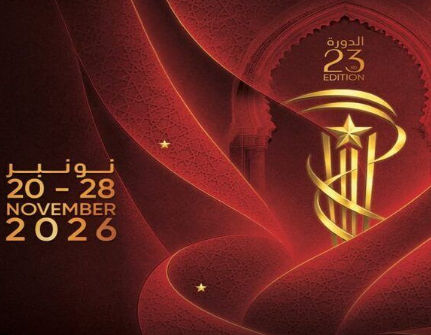
The visual branding of the festival reflects a sophisticated synthesis of modern cinematic design and traditional Moroccan art motifs. From official festival posters and catalog typography to red carpet backdrops and digital screen animations, every visual element reinforces the event’s luxury aesthetic.
Graphic designers draw inspiration from Moroccan geometric patterns, architectural tilework, and desert color palettes, creating poster designs that become collectible art items for film enthusiasts. The official festival program book features high-resolution photography, archival essays, and artist statements printed on premium paper stocks.
This cohesive visual branding reinforces Marrakech’s identity as an elite global cultural event. Visiting delegates appreciate the aesthetic attention to detail, noting that the graphic identity reflects the high artistic standards of the film programming.
The Intersection of Film and Music in North African Cinema Traditions
Music has always played a vital role in North African cultural expression, and the festival celebrates the intersection of cinema and musical heritage through special screenings and concert events. Film scores in regional cinema often incorporate traditional instruments such as the oud, guembri, and bendir alongside Western orchestral arrangements.
Special festival sessions highlight how regional directors use music to establish emotional atmosphere, historical context, and thematic depth. Visiting international composers engage in panel discussions with local musicians, exploring cross-cultural scoring opportunities for upcoming film projects.
These musical celebrations extend into evening receptions, where live performances by renowned Gnawa musicians, Andalusian ensembles, and modern North African fusion groups entertain international guests under the stars, adding an extra layer of cultural magic to the festival experience.
Analyzing the Logistics of High Security and Delegate Protection
Ensuring the safety and privacy of international celebrities, royal dignitaries, and high-profile diplomats requires an elite security apparatus that operates with maximum efficiency and discretion. Moroccan security services coordinate closely with festival administrators to secure venues, transport routes, and accommodation sites.
Security protocols are designed to protect high-profile guests while maintaining an open, welcoming atmosphere for public festival attendees. Advanced surveillance systems, discreet protection detail units, and controlled access perimeter zones ensure that event spaces remain safe without feeling restrictive.
Visiting talent managers and studio security directors consistently commend the professionalism of Moroccan security personnel. This reassuring safety environment enables international stars to participate fully in public screenings, red carpet walks, and Jemaa El Fna events with complete peace of mind.
The Role of Youth Volunteers and Film Student Ambassadors
The dynamic energy of the festival is fueled by hundreds of young Moroccan volunteers and film student ambassadors who assist in running daily operations across all festival venues. Selected from universities and cultural institutions across the country, these enthusiastic youth represent the future of Moroccan cultural management.
Volunteers assist with delegate accreditation, press center operations, screening room ushering, guest transportation, and translation services. Working alongside veteran international festival administrators provides these young adults with invaluable hands-on training in event production, crisis management, and international hospitality.
Many former festival volunteers go on to pursue successful careers in film production, arts administration, journalism, and cultural diplomacy. The festival’s commitment to youth empowerment ensures that its positive cultural impact nurtures the next generation of Moroccan creative leaders.
Strategic Synthesis of Festival Legacy and Future Cultural Horizons
As the Marrakech International Film Festival continues its journey into future decades, its strategic importance as a global cultural bridge remains undisputed. The event demonstrates how artistic passion, royal stewardship, and cross-cultural dialogue can create an lasting institution that elevates international cinema.
By uniting Hollywood A-listers, European auteurs, and Arab-African creators in the historic Red City, Marrakech celebrates human creativity at its highest level. The festival proves that cinema remains a vital force for mutual understanding, empathy, and artistic inspiration across all cultural boundaries.
The legacy of Marrakech is written in every film project nurtured, every screen legend honored, every fashion statement crafted, and every applause that echoes across Jemaa El Fna square. It stands as a shining testament to the power of film art to illuminate the human experience and unite the world.
The Growing Role of Digital Interactive Media and Virtual Festival Coverage
As global media consumption expands across virtual networks, the festival has developed innovative digital streaming platforms that broadcast press conferences, red carpet walks, and panel discussions to fans worldwide. High-definition digital feeds allow film lovers across the globe to experience the excitement of Marrakech in real time.
Interactive digital hubs allow virtual attendees to view exclusive behind-the-scenes interviews with visiting stars, explore virtual gallery exhibitions of festival red carpet photography, and access archived masterclasses. This digital reach expands the festival’s global audience, making the celebration of international film craft accessible to millions who cannot travel to Morocco.
Digital media team members work continuously throughout festival week, creating short-form video features, photo essays, and artist quotes shared across leading social networks. This active digital presence ensures that Marrakech remains at the center of global entertainment conversations.
Final Strategic Outlook on the Global Prominence of Marrakech Film Culture
The long-term outlook for the Marrakech International Film Festival is brighter than ever. With unshakeable royal patronage, world-class organizational infrastructure, and dedicated artistic leadership, the festival is uniquely positioned to lead international cultural exchange in the twenty-first century.
As global entertainment industries seek authentic, diverse stories, Marrakech will continue to serve as the premier gateway connecting Western cinema hubs with the rich artistic talent of North Africa and the Arab world. Its commitment to artistic freedom, youth education, and public accessibility ensures that the festival remains a beloved institution for filmmakers and moviegoers alike.
The journey of cinema in Marrakech is an ongoing narrative of artistic excellence, human connection, and cultural pride. As future generations of filmmakers step onto the stage in the historic Red City, they will carry forward a noble legacy that honors the transformational power of motion picture art.