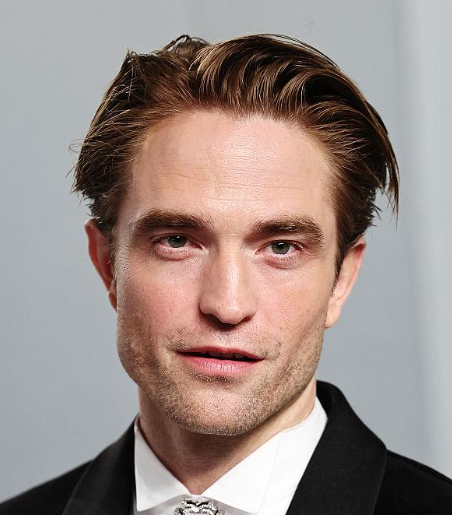
The Viral Internet Storm Surrounding Bond Twenty Six
Few cinematic roles carry the weight, heritage, and intense public scrutiny of James Bond. Ever since Daniel Craig concluded his acclaimed fifteen-year tenure as Agent zero zero seven in the two thousand twenty-one film No Time to Die, film enthusiasts, industry insiders, and casual moviegoers have engaged in non-stop speculation regarding who will step into the iconic tux. Across social media platforms, entertainment blogs, and YouTube commentary channels, endless lists of potential successors circulate daily. Among the most persistent and widely discussed names to surface in recent entertainment headlines is English actor Robert Pattinson.
Reports claiming that thirty-nine-year-old Pattinson was officially cast as the next James Bond spread like wildfire across digital channels, sparking heated debates among film buffs. TikTok edits, fan-made trailers, and clickbait headlines suggested that EON Productions had quietly signed the actor to take over the legendary espionage franchise. The rumor gained even more momentum when online commentary linked Pattinson to potential directorial pitch meetings involving acclaimed filmmaker Denis Villeneuve, sending film forums into overdrive.
However, the overwhelming volume of internet noise stood in sharp contrast to official studio communications. While fans enthusiastically debated whether Pattinson’s brooding screen presence and sharp jawline made him the ideal candidate to reboot zero zero seven, entertainment journalists rushed to verify the claims with studio sources, talent management teams, and production executives. The story quickly became a textbook case study in how modern fan casting and social media echo chambers can turn speculative wish fulfillment into seemingly authoritative breaking news.
To understand why this rumor struck a chord so deeply across the global film community, one must look at Pattinson’s remarkable career trajectory over the past fifteen years. Having successfully transitioned from teenage heartthrob status in major blockbuster franchises to an internationally respected indie film heavyweight, Pattinson possesses exactly the kind of prestige acting credentials and box office draw that studio executives dream of. Yet, behind the headline excitement lies a far more complex reality regarding contractual obligations, personal career choices, and the specific casting philosophy of EON Productions.
The global fascination with Bond casting reflects the unique place zero zero seven occupies in popular culture. Unlike typical superhero roles that are recast frequently or integrated into sprawling multi-dimensional universes, James Bond is a singular cultural icon whose casting defines an entire era of cinematic history. Each new actor brings a distinct energy, style, and interpretation to the role, shaping how international audiences experience spy fiction for a decade or more. Consequently, any rumor suggesting a star of Pattinson’s caliber has been chosen immediately becomes a major entertainment story.
Robert Pattinson Responds to the Zero Zero Seven Casting Rumors
Addressing the rampant rumors directly during a media press tour in late two thousand twenty-five, Robert Pattinson put an end to month of intense online speculation. Speaking candidly with entertainment journalists, the actor shut down the claims that he had been cast as James Bond, offering a thoughtful and realistic explanation as to why playing zero zero seven does not align with his current professional obligations or creative goals.
Pattinson expressed genuine flattered amusement at the persistent fan casting, acknowledging that being named in connection with such a legendary character is an honor for any British actor. However, he made it abundantly clear that no official offers had been made, no formal meetings had taken place with producers Barbara Broccoli and Michael G Wilson, and he was not attached to any upcoming James Bond production. He emphasized that internet rumors often take on a life of their own, detached from the actual business decisions happening inside production offices.
Beyond simply denying the rumors, Pattinson outlined the practical realities that make taking on the role of James Bond virtually impossible for him at this stage of his career. Signing on to play zero zero seven is not a typical one-film acting gig; it represents a massive, multi-picture commitment that can easily swallow up a decade of an actor’s professional life. For an artist who values variety, creative experimentation, and working with auteur directors on diverse projects, locking himself into another long-term global franchise would severely limit his artistic choices.
In addition, Pattinson pointed out the inherent challenges of balancing multiple giant film franchises simultaneously. Having already established himself as the titular hero in director Matt Reeves’s Gotham City universe with The Batman, taking on James Bond would mean carrying two of the largest, most demanding intellectual properties in cinema history on his shoulders at the exact same time. He noted that such a dual commitment would be exhausting physically, mentally, and logistically, leaving zero time for smaller independent passion projects.
Pattinson’s clear, unambiguous denial served as a breath of fresh air for fans and industry observers looking for authentic clarity amidst online noise. By addressing the rumor directly rather than allowing it to linger as clickbait, he reaffirmed his dedication to his existing film commitments while allowing EON Productions to continue their methodical search for the next actor who will officially wear the tuxedo.
Why a Ten Year Bond Franchise Commitment Conflicts with The Batman
The primary obstacle preventing Robert Pattinson from ever playing James Bond boils down to contract logistics and time management. When an actor accepts the role of zero zero seven, they are not merely signing a contract for a single feature film. Historically, EON Productions requires their lead actor to commit to a long-term agreement spanning anywhere from three to five feature films across a timeline that frequently extends past ten years.
For Pattinson, who is currently leading Warner Bros Discovery’s flagship superhero franchise as Bruce Wayne in The Batman series, adding James Bond to his schedule would create an impossible logistical gridlock. Production on a massive comic book blockbuster like The Batman Part II involves months of intense physical preparation, grueling night shoots, extensive global press tours, and complex post-production schedules. Layering a James Bond production schedule on top of those superhero duties would mean spending virtually every month of the next decade tied up in high-budget studio blockbusters.
Throughout his career, particularly following the conclusion of the Twilight franchise, Pattinson has deliberately avoided being trapped in corporate studio pipelines. He spent nearly a decade intentionally working with visionary directors such as David Cronenberg, Robert Eggers, Claire Denis, the Safdie Brothers, and Christopher Nolan. These independent and auteur-driven films allowed him to stretch his acting range, play unconventional characters, and build a reputation as one of the most versatile screen actors of his generation.
Committing to James Bond would require surrendering that creative flexibility. Bond actors are bound by strict promotional schedules, long filming windows in remote international locations, and rigorous contractual exclusivity clauses that limit what other projects they can take on between zero zero seven installments. During Daniel Craig’s tenure, the immense physical toll and time commitment of the franchise frequently left him with limited energy or opportunity to pursue smaller artistic projects, a reality Craig spoke about openly during his final years in the role.
Pattinson’s dedication to director Matt Reeves’s vision for Gotham City remains his primary blockbuster focus. With scripts being refined and production timelines being coordinated for future Batman installments, Pattinson’s schedule is fully booked with playing DC Comics’ dark knight. Attempting to play both Batman and James Bond concurrently would not only strain his schedule to the breaking point but would also risk audience fatigue from seeing the same actor lead two iconic, dark, trench-coat-wearing hero franchises at the exact same time.
Inside EON Productions Search for Daniel Craig Successor
Behind closed doors at EON Productions, the official home of James Bond, long-time producers Barbara Broccoli and Michael G Wilson have maintained an exceptionally disciplined approach to casting Bond twenty-six. Following the dramatic, emotional conclusion of No Time to Die in two thousand twenty-one, which saw Daniel Craig’s iteration of zero zero seven meet his ultimate heroic sacrifice, the producers made it clear that they were in no hurry to rush out a quick replacement.
Instead of rushing into screen tests immediately after Craig’s exit, Broccoli and Wilson insisted on taking a extended period of creative reflection. In numerous industry interviews, Broccoli has emphasized that casting James Bond is not simply a matter of hiring a popular actor who looks good in a suit. It requires reinventing the character to fit the cultural, political, and cinematic setting of a new decade. Before a single actor can be cast, the producers must decide what story they want to tell and what kind of man this new Bond needs to be.
The search process at EON Productions is legendary for its thoroughness and secrecy. Unlike major Hollywood studios that often leak casting announcements to build short-term promotional hype, EON operates with old-school British theatrical discretion. Auditions are conducted under strict confidentiality, with prospective candidates invited to perform classic scenes from past Bond films, most notably the iconic bedroom sequence from From Russia with Love, which tests an actor’s charm, physical presence, and authority under pressure.
Industry reports indicate that the producers have set specific criteria for their next lead. Rather than selecting an established megastar who is already heavily associated with another major franchise, EON historically prefers actors who are known but not yet global household names. Picking a rising star allows the audience to see the actor as James Bond first, rather than seeing a famous celebrity stepping into a costume. This philosophy directly explains why ultra-famous stars like Pattinson, while frequently proposed by fans, rarely align with EON’s long-term casting strategy.
The producers are also deeply mindful of the physical demands of the role. The next James Bond must be prepared to undergo grueling stunt training, long location shoots in challenging environments, and global press tours that require relentless stamina. As Broccoli has repeatedly noted, casting Bond is a marriage between the actor and the production company, a partnership that demands absolute dedication and long-term loyalty from everyone involved.
Barbara Broccoli and Michael G Wilson Reinvention Strategy
The guiding philosophy behind the survival of the James Bond franchise for over six decades is constant reinvention. Producers Barbara Broccoli and Michael G Wilson understand that keeping a sixty-four-year-old film series relevant requires bold artistic shifts with each new actor who assumes the mantle of zero zero seven.
When Pierce Brosnan departed after two thousand two’s Die Another Day, the franchise faced a major turning point. The sleek, gadget-heavy, tongue-in-cheek style that defined nineties action cinema had run its course. In response, Broccoli and Wilson took a massive creative gamble by casting Daniel Craig for two thousand six’s Casino Royale. At the time, Craig faced intense public skepticism and online backlash from fans who questioned whether a blonde, rugged actor could play Bond. However, Craig’s debut reshaped the franchise, delivering a raw, vulnerable, stripped-down reinvention that set new box office and critical records.
Now, as EON prepares for Bond twenty-six, the producers face a similar creative crossroads. The emotional, serialized narrative arc of the Craig era has concluded, leaving a clean slate for the future. Broccoli has stated publicly that the next era will not simply copy the gritty realism of Craig’s films, nor will it return to the campy absurdity of seventies Bond. Instead, the team is working with top screenwriters to craft a fresh narrative framework that reflects modern international espionage, evolving digital technology, and contemporary cinematic tastes.
Reinvention also means rethinking the tone and structure of the movies. The producers are assessing how Bond interacts with supporting characters, how action set pieces are executed, and how the character balances classic sophistication with modern sensibilities. This foundational story work must take place before a director is hired or an actor is chosen. By building the script and world first, EON ensures that whoever is eventually cast steps into a tailor-made narrative crafted specifically for their talents.
This methodical reinvention process explains why official casting announcements take years to materialize. Broccoli and Wilson refuse to be rushed by studio pressure, media speculation, or fan impatience. They view themselves as stewards of an lasting cultural legacy, committed to ensuring that Bond twenty-six launches a successful new chapter that will carry the franchise comfortably into the nineteen-forties.
From Twilight to Indie Cinema: Pattinson Journey to Artistic Respect
To understand why fans continually suggest Robert Pattinson for iconic roles like James Bond, one must examine the extraordinary career reinvention he achieved after becoming an international teen idol in the late two thousand tens.
Pattinson first achieved global fame playing Edward Cullen in the Twilight saga, a pop culture phenomenon that generated unprecedented tabloid scrutiny and fan hysteria. While the franchise brought him immense wealth and worldwide recognition, it also threatened to typecast him permanently as a teenage heartthrob. Lesser actors might have relied on comfortable studio rom-coms or easy blockbuster paychecks, but Pattinson chose a radically different and courageous career path.
Immediately following the conclusion of Twilight, Pattinson used his stardom to fund and star in daring, unconventional independent films. He sought out visionary auteur directors from around the world, taking challenging roles in low-budget projects that pushed him far outside his comfort zone. In David Cronenberg’s Cosmopolis and Maps to the Stars, he explored dark themes of modern alienation and Hollywood excess. In David Michod’s The Rover, he delivered a raw, unrecognizable performance as a vulnerable outcast in a dystopian Australian wasteland.
The turning point in critical perception came with the Safdie Brothers’ two thousand seventeen crime thriller Good Time. Playing Connie Nikas, a desperate Queens bank robber racing through a chaotic night in New York City, Pattinson delivered a tour-de-force performance that earned unanimous critical acclaim at the Cannes Film Festival. Critics who had once dismissed him as a teen idol suddenly recognized him as one of the most compelling and fearless dramatic actors of his generation.
He continued to build an astonishing indie filmography, co-starring alongside Willem Dafoe in Robert Eggers’s psychological horror masterpiece The Lighthouse, appearing in Claire Denis’s sci-fi drama High Life, and playing a eccentric preacher in Antonio Campos’s The Devil All the Time. When Christopher Nolan cast him in the two thousand twenty sci-fi thriller Tenet, Pattinson demonstrated that he could bring casual elegance, sharp charm, and effortless action charisma to a massive studio film.
This remarkable artistic journey from pop heartthrob to respected auteur actor is precisely why audiences find Pattinson so captivating. He possesses a rare combination of old-school Hollywood movie star magnetism and modern indie acting depth. When fans picture him as James Bond, they are responding to his proven ability to command the screen with sophistication, intensity, and dark charisma.
The Physical and Psychological Demands of Playing James Bond
Playing James Bond is widely regarded in the film industry as one of the most physically exhausting and mentally taxing assignments an actor can undertake. Far beyond memorizing lines and attending premieres, stepping into zero zero seven’s shoes requires reshaping oneself into an elite action athlete for years at a time.
From a physical standpoint, the modern Bond films demand rigorous tactical conditioning, martial arts training, tactical weapons handling, and extreme stunt work. During his fifteen-year tenure, Daniel Craig suffered numerous severe injuries on set, including torn shoulder cartilage, broken ribs, knee injuries requiring surgery, and a ruptured ankle tendon during the filming of No Time to Die. The relentless physical toll led Craig to remark in interviews that playing Bond required living in a state of constant physical rehab and intense body maintenance.
The physical preparation begins months before cameras ever roll. Lead actors must build dense muscular physique while maintaining agility, stamina, and sprint speed for prolonged foot-chase sequences. Filming windows frequently stretch past seven to eight months across multiple continents, shifting from freezing mountain locations to sweltering tropical climates. Working twelve-hour days in custom-tailored suits while performing intense combat choreography tests an actor’s stamina to its absolute limits.
Equally daunting are the psychological pressures associated with representing a global cultural icon. The actor who plays Bond becomes the public face of a multi-billion-dollar franchise, subjected to round-the-clock media scrutiny, international press tours, corporate sponsorship commitments, and intense fan expectations. Every public appearance, personal relationship, and off-screen decision is analyzed under an intense media spotlight.
For an actor like Pattinson, who has expressed a strong desire for personal privacy and creative space outside of work, the promotional machinery of the Bond franchise represents a daunting prospect. Balancing the intense physical regimen with the global media obligations requires an extraordinary sacrifice of personal freedom, a reality that explains why established stars often hesitate to sign away a decade of their life to a single role.
How Social Media and Fan Casting Drive Modern Movie Rumors
The viral rumor claiming Robert Pattinson had been cast as James Bond is part of a broader shift in how movie news is generated, amplified, and consumed in the digital age. Social media algorithms, fan edits, and entertainment blogs have reshaped movie speculation into a powerful online ecosystem where rumors can masquerade as confirmed facts overnight.
In today’s digital setting, fan casting has evolved from harmless fan forum discussions into a major driver of entertainment traffic. Content creators on platforms like TikTok, YouTube, and X regularly assemble conceptual trailers, AI-generated poster art, and speculative casting lists. When a compelling image of Pattinson in a sleek black tuxedo goes viral alongside a dramatic voiceover, thousands of casual viewers mistake the fan-made creation for an official studio teaser announcement.
Entertainment blogs and clickbait news outlets often capitalize on this viral momentum. By phrasing headlines with ambiguous question marks or citing unnamed internet sources, digital publications generate massive web traffic from eager fans searching for news about Bond twenty-six. Search engine algorithms then amplify these articles based on user interest, creating a feedback loop where a baseless rumor is cited by dozens of secondary sites until it appears to be legitimate breaking news.
This environment presents a unique challenge for film studios and actors. In past decades, studio public relations departments controlled official casting announcements through press releases and major trade publications like Variety or The Hollywood Reporter. Today, false casting reports can reach millions of people before studio representatives even have a chance to issue a clarification.
For actors like Pattinson, navigating this speculative setting requires constant vigilance during interviews. A single off-hand remark or casual compliment about a franchise can be taken out of context and spun into headlines claiming a deal has been finalized. The Pattinson Bond story serves as a prime example of how modern internet culture can manufacture a full-fledged casting narrative out of thin air, forcing actors to spend valuable interview time debunking rumors that never had any basis in reality.
Comparing Past James Bond Casting Controversies and Media Frenzies
Public outrage and media frenzy surrounding James Bond casting choices are by no means a modern digital phenomenon. Ever since Sean Connery first introduced the cinematic agent in two thousand sixty-two’s Dr No, virtually every actor selected to play zero zero seven has faced intense skepticism, debate, and media resistance before their first film ever hit theaters.
When author Ian Fleming first learned that Sean Connery had been cast as his literary hero, he was initially horrified, describing Connery as an overgrown stuntman who lacked the refined, aristocratic polish of his book character. Only after seeing Connery’s undeniable charm, animal magnetism, and commanding screen presence in Dr No did Fleming enthusiastically embrace the Scottish actor, even updating Bond’s literary heritage in subsequent novels to give the character Scottish roots.
When George Lazenby took over the mantle for two thousand sixty-nine’s On Her Majesty’s Secret Service following Connery’s temporary departure, the Australian model faced brutal media commentary questioning his acting credentials. Despite delivering a performance that has since been re-evaluated by modern critics as one of the most emotionally resonant in the series, Lazenby walked away from the role after just one film due to overwhelming media pressure and bad advice from his management team.
Similarly, when Pierce Brosnan was forced to pass on Bond in the mid-eighties due to his Remington Steele television contract, EON turned to Timothy Dalton. Dalton’s darker, more realistic portrayal of a tortured, cynical operative in The Living Daylights and Licence to Kill shocked audiences accustomed to Roger Moore’s lighthearted, witty tone. While modern film scholars praise Dalton’s performance for staying true to Fleming’s original novels, mainstream eighties audiences were divided over his somber approach.
The most intense casting backlash in history occurred in two thousand five when Daniel Craig was unveiled as the sixth official Bond. Tabloid newspapers launched aggressive smear campaigns, mocking Craig’s blonde hair, height, and rugged features under cruel headlines. Internet websites were established specifically to boycott Casino Royale. Yet, when the film premiered, Craig silenced every critic by delivering a masterpiece performance that revitalized the entire series.
History demonstrates that public skepticism is an inevitable stage of the James Bond casting cycle. Audiences naturally form deep emotional attachments to the actor they grew up watching, making any new casting choice feel jarring at first. Whether the next lead is a rising talent or a recognized star, they will inevitably walk through a gauntlet of media scrutiny before earning their place in 007 lore.
The Legacy of Daniel Craig Era and the Need for a New Direction
To understand why the casting of Bond twenty-six carries such high stakes, one must analyze the immense cultural and financial shadow cast by Daniel Craig’s fifteen-year era. Craig did not simply play James Bond; he fundamentally reshaped the narrative DNA of the entire franchise.
Across five interconnected films—Casino Royale, Quantum of Solace, Skyfall, Spectre, and No Time to Die—Craig introduced an unprecedented continuity to the series. For the first time in zero zero seven history, actions had lasting consequences, character deaths carried emotional weight, and Bond underwent a complete psychological arc from novice agent with a license to kill to a battle-weary veteran who ultimate gave his life to protect his loved ones.
Skyfall, directed by Sam Mendes in two thousand twelve, achieved historic commercial success, grossing over one billion dollars worldwide and earning widespread critical acclaim for its breathtaking cinematography, deep character psychology, and theme of aging relevance in a modern digital world. Craig’s era proved that James Bond could compete directly with modern superhero blockbusters and prestige cinema alike without losing his distinct identity.
However, the definitive resolution of Craig’s storyline presents EON Productions with a unique creative challenge. Because Craig’s Bond died at the conclusion of No Time to Die, Bond twenty-six cannot simply function as a direct sequel. The franchise requires a total narrative reboot, resetting the timeline and re-introducing the character to a new generation of filmgoers.
This clean slate means the producers must carefully decide on the tone for the upcoming era. Continuing with the hyper-grounded, brooding angst of the Craig years might feel repetitive to audiences who spent fifteen years exploring Bond’s internal trauma. On the other hand, swinging too far back toward lighthearted gadget-filled camp could undermine the dramatic credibility built over the past two decades. Striking the perfect balance between classic sophistication, modern action thrillers, and fresh storytelling is the central task facing the production team.
Age Requirements, British Heritage, and EON Casting Guidelines
Over decades of casting James Bond, producers Barbara Broccoli and Michael G Wilson have developed specific informal guidelines that shape their talent searches. Understanding these criteria makes it easy to see why certain actors are top contenders while others, despite media hype, are ultimately ruled out.
First and foremost, historical precedent dictates that James Bond must be played by a British or Commonwealth actor. From Scottish Sean Connery and Australian George Lazenby to Welsh Timothy Dalton, Irish Pierce Brosnan, and English Daniel Craig, the lead actor must possess an authentic British cadence, cultural understanding, and natural sophistication. While international stars often express interest, EON remains firmly committed to maintaining Bond’s distinct British identity.
Age is another critical determining factor. The producers have explicitly stated that they are seeking an actor in their late twenties to early thirties for Bond twenty-six. Casting an actor around age thirty ensures that he can physically handle the demanding stunt work and maintain the necessary energy across a multi-film deal that will span ten to fifteen years. An actor who starts the franchise at age thirty will be in his mid-forties by his fourth or fifth film, matching the ideal age progression for zero zero seven.
This age requirement effectively rules out several high-profile stars who are frequently championed by fan forums. Actors currently in their late thirties or early forties, including Robert Pattinson, Henry Cavill, and Idris Elba, would be approaching their fifties by the time a second or third installment hits theaters. Starting a long-term franchise with an actor in his nineties or fifties presents physical and scheduling hurdles that EON actively avoids.
In addition to age and heritage, the producers look for a candidate who possesses a rare balance of height, physical presence, screen magnetism, and acting chops. The ideal actor must be believable as a trained military operative capable of hand-to-hand combat, while simultaneously looking completely at ease wearing bespoke Savile Row tailoring in high-stakes casino environments. Finding an actor who embodies both rugged lethality and effortless elegance remains one of the hardest casting tasks in Hollywood.
Denis Villeneuve Rumors and the Search for a Franchise Director
Alongside actor casting rumors, film forums have been abuzz with speculation regarding who will direct Bond twenty-six. Among the visionary filmmakers whose names have been repeatedly linked to the project, French-Canadian director Denis Villeneuve stands out as a fan favorite choice.
Villeneuve’s impressive filmography makes him an obvious dream candidate for cinema enthusiasts. Having helmed critically acclaimed sci-fi and action masterpieces such as Sicario, Arrival, Blade Runner 2049, and the epic Dune saga, Villeneuve has demonstrated a unique talent for combining grand visual scale with deep character atmosphere and tense storytelling. His ability to deliver massive box office hits while maintaining artistic integrity aligns perfectly with EON’s prestige standards.
In several past interviews, Villeneuve has openly expressed his profound admiration for the James Bond franchise, citing classic films like Goldfinger and Casino Royale as major influences on his love for cinema. He has commented that directing a zero zero seven film would be a dream creative opportunity under the right circumstances and with the right script development.
However, much like Pattinson’s situation with The Batman, Villeneuve’s packed directorial schedule makes his immediate involvement in Bond twenty-six highly unlikely. Villeneuve has been fully immersed in concluding his epic Dune trilogy with Dune Messiah, alongside developing other major feature film adaptations. Given the immense time commitment required to design, pre-visualize, and direct a James Bond reboot, Villeneuve’s existing studio obligations leave little room for a immediate zero zero seven project.
EON Productions historically takes great care when selecting a director for a franchise launch. They seek a filmmaker who can bring a strong visual identity to the screen while respecting the established traditions and collaborative framework of the series. Directors like Martin Campbell, who successfully launched both Pierce Brosnan in GoldenEye and Daniel Craig in Casino Royale, demonstrate the value of a director who excels at narrative pacing, character introductions, and high-impact physical action set pieces.
Bruce Wayne versus James Bond: Can One Actor Play Both Icons
The idea of Robert Pattinson starring as James Bond captured public imagination in large part because of the fascinating narrative parallels between zero zero seven and Bruce Wayne. Both characters represent pinnacle archetypes of twentieth-century pop culture: wealthy, brooding, highly trained operatives who operate in the shadows to combat dangerous threats.
However, from an acting perspective, taking on both characters simultaneously presents significant creative challenges. Both heroes rely on dark magnetism, intense physical discipline, tailored formal wear, and specialized high-tech vehicles. If Pattinson were to play both roles in the exact same decade, audiences might struggle to separate his performance as the caped crusader in Gotham City from his portrayal of MI6’s premier secret agent in London.
In addition, the tonal requirements for the two roles, while superficially similar, demand distinct performance choices. Pattinson’s Bruce Wayne in Matt Reeves’s The Batman is an emotionally isolated, traumatized recluse who channels his pain into brutal vigilante justice. He is awkward in social settings, detached from high-society glamor, and consumed by relentless inner turmoil.
In contrast, James Bond requires a effortless charm, social grace, and sharp wit even under extreme pressure. While Daniel Craig introduced a darker, more vulnerable psychology to zero zero seven, Bond remains a master of international diplomacy, high-stakes gambling, and casual romantic banter. Blending those distinct personality traits while avoiding overlap with Bruce Wayne would be a difficult tightrope walk for any actor.
From a commercial perspective, Warner Bros Discovery and EON Productions would also be wary of brand confusion. Corporate studios invest hundreds of millions of dollars into shaping the unique marketing identity of their lead stars. Having the current face of DC’s Batman headline a rival global franchise would complicate promotional campaigns, merchandise licensing, and global advertising partnerships.
Other Contenders in the Mix: Aaron Taylor-Johnson, Paul Mescal, and Callum Turner
While internet rumors surrounding Pattinson generated massive headline buzz, industry trades and bookmakers have consistently tracked a different slate of talented British actors who fit EON’s specific casting guidelines much more closely.
Chief among the widely reported frontrunners is English actor Aaron Taylor-Johnson. At thirty-four years old, Taylor-Johnson possesses an impressive blend of physical action experience, charismatic screen presence, and prestige acting credentials. Having starred in films like Kick-Ass, Avengers Age of Ultron, Nocturnal Animals, Bullet Train, and Kraven the Hunter, he has proven his ability to handle intense physical stunt work and lead high-budget action productions. Industry reports in early two thousand twenty-four suggested that Taylor-Johnson had formally met with Barbara Broccoli and completed screen tests at Pinewood Studios.
Another name frequently highlighted by film critics is Irish actor Paul Mescal. Following his breakout Oscar-nominated performance in Aftersun and his starring role in Ridley Scott’s Gladiator II, twenty-eight-year-old Mescal has emerged as one of the most sought-after dramatic talents of his generation. His youth, physical intensity, and deep emotional range make him a intriguing candidate for a long-term franchise reinvention, though Mescal has expressed a desire to focus primarily on auteur indie projects and stage work.
English actor Callum Turner has also gained significant momentum in casting discussions. Known for his compelling roles in Masters of the Air, The Boys in the Boat, and the Fantastic Beasts series, thirty-four-year-old Turner combines classic British elegance, impressive height, and rugged charm. His growing body of work across television and feature films positions him as a natural fit for the criteria EON traditionally seeks when introducing a new lead.
Other notable actors who remain popular in media speculation include James Norton, Damson Idris, Jack Lowden, and Rege-Jean Page. Each candidate brings a distinct flavor to the prospective role, whether it is Norton’s classic theatrical gravitas, Idris’s sharp modern intensity, or Page’s suave romantic charm. As script development continues, the studio’s ultimate choice will reflect which actor best embodies the specific narrative vision crafted for Bond twenty-six.
Frequently Asked Questions Regarding Robert Pattinson and James Bond
Has Robert Pattinson officially been cast as the new James Bond? No. Robert Pattinson has explicitly denied the rumors, confirming that he has not been cast as zero zero seven and has not held formal meetings with EON Productions for the role.
Why did the rumors about Pattinson playing Bond go viral? The rumors gained traction due to viral social media fan edits, speculative online articles, and fan casting debates linking Pattinson and director Denis Villeneuve to a potential franchise reboot.
Why isn’t Robert Pattinson playing James Bond? Pattinson explained that a multi-picture Bond contract spanning a decade conflicts with his ongoing commitment to starring as Bruce Wayne in The Batman franchise and his desire to work on diverse independent film projects.
What age group is EON Productions looking for in the next James Bond? Producers Barbara Broccoli and Michael G Wilson have indicated they are seeking a British or Commonwealth actor in their late twenties to early thirties who can commit to the physical and scheduling demands of the franchise for the next ten to fifteen years.
Who are the main frontrunners to play Bond twenty-six? While no official announcement has been made, major industry trades and media coverage frequently highlight actors like Aaron Taylor-Johnson, Callum Turner, Paul Mescal, and James Norton as top contenders under consideration.
When will Bond twenty-six be officially announced? EON Productions is focusing first on script development and narrative reinvention. Official casting and director announcements are expected once the screenplay and production timeline are finalized.
Structured Comparison Table of Potential 007 Contenders and Franchise Eras
Actor or Contender Name | Age and Background | Key Career Highlights | Suitability and Franchise Status Aaron Taylor-Johnson | Age 34, English | Bullet Train, Nocturnal Animals, Kraven the Hunter | Top reported frontrunner, completed screen tests, strong action experience Callum Turner | Age 34, English | Masters of the Air, The Boys in the Boat, Fantastic Beasts | Strong contender, classic British charm, soaring television and film profile Paul Mescal | Age 28, Irish | Gladiator II, Aftersun, Normal People | Ideal age range, acclaimed dramatic power, potential conflict with indie focus Robert Pattinson | Age 39, English | The Batman, Tenet, Good Time, The Lighthouse | Debunked rumors, locked into Batman franchise, prefers indie creative variety Henry Cavill | Age 41, English | Man of Steel, The Witcher, Argylle | Fan favorite choice, age and past superhero roles make long-term contract unlikely James Norton | Age 39, English | Happy Valley, McMafia, Grantchester | Classic theatrical presence, strong dramatic depth, age at top end of target range Damson Idris | Age 33, English | Snowfall, F1 Movie with Brad Pitt | Rising star power, athletic physical build, strong contemporary screen presence Rege-Jean Page | Age 36, Zimbabwean-British | Bridgerton, The Gray Man, Dungeons & Dragons | Suave romantic charisma, massive fan support, strong international appeal
The Evolution of Bond Girls, Villains, and Supporting Characters
A new James Bond era involves far more than recasting the lead role. The lasting popularity of the franchise relies heavily on its rich ensemble of supporting characters, legendary villains, and complex female leads who define the world of MI6.
Over sixty years of cinema, the representation of female characters in zero zero seven films has undergone a major evolution. In early decades, female leads were frequently written as glamorous damsels in distress or temporary romantic interests. However, recent installments have introduced highly skilled, autonomous operatives who challenge Bond intellectually and physically. Characters like Naomie Harris’s Eve Moneypenny, Léa Seydoux’s Dr Madeleine Swann, and Ana de Armas’s standout turn as Paloma in No Time to Die demonstrated that female characters in the Bond universe can be powerful action heroes and narrative equals.
For Bond twenty-six, producers face the task of reinventing these supporting relationships for a new era. The dynamic between Bond and MI6 leadership—including M, Q, and Moneypenny—provides the essential emotional anchor for the series. Whether EON retains beloved supporting cast members or recasts the entire MI6 office alongside the new zero zero seven, establishing sharp, witty workplace chemistry will be vital for grounding the reboot.
Equally important to the franchise’s formula is the main antagonist. The greatest Bond villains—from Gert Frobe’s Goldfinger and Ernst Stavro Blofeld to Javier Bardem’s Raoul Silva in Skyfall—mirror the anxieties of their respective eras. Modern geopolitical tensions, cyber-warfare, artificial intelligence, and corporate surveillance provide fertile ground for crafting formidable new villains who present complex ideological threats rather than simple world-domination schemes.
Box Office Impact and Commercial Expectations for Bond Twenty Six
The commercial stakes surrounding Bond twenty-six are staggering. James Bond is one of the most profitable media properties in entertainment history, generating over seven billion dollars in global box office revenue across twenty-five official feature films.
Skyfall set the box office benchmark for the series, grossing over one point one billion dollars globally and proving that a sophisticated spy thriller could compete directly with massive comic book franchises. Spectre and No Time to Die followed with impressive global grosses of eight hundred eighty million dollars and seven hundred seventy-four million dollars respectively, navigating challenging theatrical environments while reinforcing zero zero seven’s immense international appeal.
With production budgets for modern action blockbusters routinely exceeding two hundred fifty million dollars, Bond twenty-six must be designed to appeal to a broad, multi-generational global audience. EON Productions and studio distribution partners rely heavily on international markets—particularly Europe, Asia, and Latin America—where James Bond has historically performed exceptionally well.
Beyond theatrical ticket sales, the Bond franchise drives massive revenue through global brand partnerships, luxury sponsorships, product placement, home entertainment streaming, and video game licensing. Brands competing to feature their watches, cars, tailoring, and spirits in a Bond film invest millions of dollars for global visibility. Consequently, selecting an lead actor who can carry major international commercial campaigns is an essential element of studio strategy.
The Role of Studio Politics in MGM and Amazon Prime Era
The setting surrounding the distribution and studio backing of James Bond underwent a seismic shift following Amazon’s acquisition of Metro-Goldwyn-Mayer for eight point five billion dollars. For the first time in history, one of Hollywood’s most traditional theatrical film franchises came under the corporate umbrella of a global tech giant.
Industry observers initially questioned whether Amazon’s tech-driven focus would alter the traditional release strategy for Bond twenty-six. Streamers typically prioritize high-volume content, digital subscription growth, and television spin-offs. However, producers Barbara Broccoli and Michael G Wilson retained strict creative control and final authority over the theatrical release window for all future James Bond feature films.
Broccoli has been vocal about maintaining James Bond as a premier big-screen theatrical experience. She has repeatedly stated that Bond films are built specifically for communal cinema viewing, featuring immersive sound design, large-format cinematography, and high-impact action sequences that lose their power when reduced to small home screens. Amazon leadership has publicly supported this stance, recognizing that a traditional worldwide theatrical release generates the maximum prestige, cultural conversation, and box office revenue.
At the same time, Amazon’s global infrastructure offers unprecedented marketing reach and streaming backend opportunities. Once the theatrical window concludes, Amazon Prime Video provides a massive global distribution platform that can introduce classic and new Bond films to hundreds of millions of subscribers worldwide. Navigating the balance between traditional cinema traditions and modern streaming distribution is a central theme defining the future of Bond twenty-six.
Scriptwriting Challenges and Adapting 007 for Modern Audiences
Writing a James Bond script for the modern era is one of the most complex narrative assignments in Hollywood. Screenwriters must honor decades of beloved franchise traditions while ensuring the story feels fresh, relevant, and engaging to younger generations who grew up on fast-paced superhero cinema.
One major challenge involves updating espionage tropes for an era dominated by cyber-surveillance, artificial intelligence, and digital warfare. In the nineteen-sixties, a secret agent could infiltrate an enemy base using simple physical disguises and concealed gadgets. Today, ubiquitous facial recognition cameras, satellite tracking, and real-time digital footprints make traditional undercover espionage far more difficult to depict realistically on screen.
Screenwriters must also navigate evolving cultural attitudes toward masculinity, romantic relationships, and international diplomacy. James Bond cannot remain a static sixties time-capsule artifact; he must feel like a credible, emotionally complex operative living in the contemporary world. The success of Casino Royale and Skyfall demonstrated that audiences respond best when zero zero seven faces genuine moral dilemmas, emotional vulnerabilities, and personal loss.
In addition, crafting memorable action set pieces requires creative originality in a crowded blockbuster market. Modern moviegoers have seen every imaginable digital spectacle in superhero and sci-fi films. To stand out, Bond films rely heavily on practical stunt work, real location filming, and tangible physical action choreography. Screenwriters must build sequences that lend themselves to visceral, real-world execution, ensuring that every chase, fight, and explosion feels grounded and dangerous.
The Cultural Significance of James Bond in Global Cinema
James Bond is far more than a fictional character; he is a global cultural institution that has reflected and shaped entertainment trends for over six decades. Since Sean Connery first uttered the legendary introduction in Dr No, zero zero seven has stood as an lasting symbol of British cinema excellence and international blockbuster filmmaking.
The franchise pioneered modern action cinema conventions, establishing templates for globe-trotting spy thrillers, cold war adventure narratives, and exotic location filmmaking. Elements created for Bond—from dramatic pre-title action sequences and iconic title song themes to specialized gadgetry and villainous lairs—have been homaged and parodied across thousands of films, television shows, and video games worldwide.
Beyond entertainment value, James Bond films provide a fascinating historical record of evolving geopolitical tensions and cultural tastes. The early Connery films reflected cold war anxieties and space-race competition. The Roger Moore era embraced seventies disco energy and sci-fi trends following Star Wars. The Timothy Dalton films addressed late-eighties drug cartels and rogue state actors. Pierce Brosnan navigated post-Soviet globalization and corporate media moguls, while Daniel Craig wrestled with post-nine-eleven surveillance networks and global cyber-terror outfits.
As EON Productions prepares to introduce the seventh official actor to play James Bond, the global audience remains deeply invested in the outcome. Recasting zero zero seven is a rare cultural event that commands attention from international media, fashion houses, music producers, and millions of fans around the globe. The actor chosen for Bond twenty-six will not only inherit a legendary role but will also take on the responsibility of leading one of cinema’s greatest cultural legacies into the future.
Actor Evolutions: How Playing 007 Changes a Career Trajectory
Stepping into the role of James Bond is a career-defining moment that instantly reshapes an actor’s life, public image, and industry standing. History shows that playing zero zero seven raises relatively unknown or mid-tier actors into global cultural icons overnight.
Before Casino Royale in two thousand six, Daniel Craig was a highly respected English character actor best known for intense indie dramas like Layer Cake, Lasting Love, and Munich. While critical circles praised his talent, he was far from a household name. Playing Bond raised Craig into one of the highest-paid and most recognizable film stars on the planet, granting him the industry leverage to headline major studio projects like Knives Out and pursue passion projects on stage and screen.
Similarly, Pierce Brosnan’s casting in GoldenEye in nineteen ninety-five reshaped him from a popular television actor into an international action lead. The global visibility of the Bond franchise opened doors for Brosnan to produce his own feature films, star in romantic comedies, and build a versatile career that extended far beyond espionage thrillers.
However, the immense visibility of playing Bond also carries professional risks. The shadow of zero zero seven is so vast that actors can easily become typecast in the public imagination. Sean Connery spent decades actively pursuing unconventional roles in films like The Man Who Would Be King, The Name of the Rose, and The Untouchables to prove to audiences and critics that his talent extended far beyond James Bond.
This dual reality explains why established stars approach Bond casting rumors with caution. Taking the role guarantees global fame, financial security, and a permanent place in cinema history, but it also requires sacrificing creative flexibility and risking artistic typecasting for the rest of one’s career.
The Dark Knight and 007: Parallels Between Superhero and Spy Archetypes
The lasting public fascination with seeing Robert Pattinson as James Bond stems in large part from the deep narrative parallels between Bruce Wayne and zero zero seven. Both figures are iconic twentieth-century heroic archetypes created in response to global crises and psychological anxieties.
Both characters inhabit world of dark intrigue, operating under strict personal codes while navigating dangerous criminal networks. Bruce Wayne uses massive inherited wealth, martial arts mastery, and specialized military technology to fight crime in Gotham City. James Bond uses state-sponsored authority, lethal tactical training, high-tech gadgets, and suave social access to combat global terror syndicates.
Visually and aesthetically, the two franchises share striking similarities. Both heroes are famous for wearing immaculate tailoring, driving high-performance luxury vehicles, and operating out of hidden subterranean headquarters like the Batcave or MI6 underground bunkers. Both characters are defined by a brooding, guarded emotional interior, shielding their vulnerability behind a public mask of wealth, charm, or intimidating silence.
However, the fundamental difference between the two lies in their moral orientation and authority. Bruce Wayne is an unsanctioned vigilante working outside the law, driven by childhood trauma and a strict vow against killing. James Bond is an official state operative carrying a government-issued license to kill, executing cold-blooded tactical missions in the service of national security.
Pattinson’s compelling portrayal of Bruce Wayne in Matt Reeves’s The Batman demonstrated his unmatched ability to bring dramatic intensity, physical danger, and dark elegance to an iconic pop culture figure. While he will not be playing zero zero seven, his work as the Dark Knight satisfies the exact aesthetic cravings that led fans to imagine him in the tuxedo.
Fashion, Style, and Exotic Locations in 007 Storytelling
Style, fashion, and exotic globe-trotting locations are foundational elements of the James Bond cinematic experience. Since nineteen sixty-two, zero zero seven films have served as premier visual features for luxury menswear, international travel destinations, and aspirational lifestyle aesthetics.
The sartorial evolution of James Bond tracks decades of high-end tailoring history. From Sean Connery’s classic Anthony Sinclair suits in London to Pierce Brosnan’s elegant Brioni suits in the nineties and Daniel Craig’s sleek, modern Tom Ford tailoring in recent installments, Bond’s wardrobe represents the pinnacle of menswear sophistication. Every tie, cufflink, watch, and leather shoe is meticulously selected to project effortless power and understated elegance.
Equally integral to the franchise is exotic location filming. Bond movies take audiences on visual journeys to breathtaking corners of the globe, from the sun-drenched beaches of Jamaica and the Bahamas to the snow-capped peaks of the Swiss Alps, high-stakes casinos in Monte Carlo, and historic canals in Venice. These locations are not merely scenic backdrops; they are active narrative elements that give Bond films their distinct cinematic grandeur.
For Bond twenty-six, maintaining this visual elegance will be paramount. As global travel becomes increasingly accessible, production teams must seek out fresh, visually arresting locations that capture the imagination of modern audiences. Whether filming in ancient historic cities or striking modern architectural landmarks, the visual language of Bond must remain a benchmark for big-screen beauty.
Voice Acting, Stunts, and Technical Demands of Action Franchises
Modern action filmmaking requires an extraordinary blend of physical athletic training, technical stunt coordination, and precise vocal delivery. Leading a franchise like James Bond involves far more than simply showing up on set and reading dialogue from a script.
Stunt choreography in Bond films has traditionally favored practical, real-world execution over heavy computer-generated effects. From high-speed vehicle chases through narrow European streets to rooftop foot pursuits and hand-to-hand combat in tight spaces, the lead actor must perform a substantial portion of their own action beats. This requires months of pre-production conditioning in martial arts, tactical driving, wire work, and weapons handling.
Technical crew coordination is equally demanding. Directors, stunt coordinators, and camera operators work in tight harmony to capture high-impact action sequences safely. A single multi-vehicle chase sequence in a Bond film can take weeks of meticulous setup, with dozens of specialized stunt drivers, camera rigs, and safety teams executing synchronized movements at high speeds.
In addition to physical stunts, vocal performance plays a vital role in establishing character authority. The lead actor must deliver cool, measured dialogue while undergoing intense physical exertion or facing life-threatening situations on screen. Maintaining vocal stability, accent perfection, and subtle emotional nuance under demanding shooting conditions is a hallmark of elite screen acting.
Pattinson’s extensive work on high-budget productions like Tenet and The Batman demonstrated his complete mastery of these technical requirements. He spent months training in Brazilian Jiu-Jitsu and stunt driving to prepare for Batman, proving that he possesses the physical discipline required for top-tier action cinema, even if his talents are directed toward Gotham City rather than MI6.
Media Training and Handling High Pressure Press Junkets
When an actor is chosen to play James Bond, they become a global brand ambassador overnight. The promotional duties associated with launching a new zero zero seven film require navigating some of the most intense, high-pressure press junkets in the entertainment industry.
During a global press tour, the lead actor participates in hundreds of interviews across dozens of countries in a span of just a few weeks. Journalists from international newspapers, television networks, digital outlets, and fan channels ask repetitive, probing, and sometimes controversial questions regarding production budgets, personal relationships, franchise lore, and social issues. Maintaining poise, wit, and professionalism under constant media camera lights requires extraordinary mental discipline.
In addition, Bond actors must represent major corporate sponsors during international promotional events. From luxury watchmakers and automotive manufacturers to high-end beverage brands, commercial partners invest tens of millions of dollars into co-promotional campaigns tied to the film’s release. The lead star is expected to attend exclusive launch galas, feature in commercial advertisements, and articulate corporate partner values smoothly.
For actors who value quiet personal lives, this continuous corporate and media exposure can be overwhelming. Daniel Craig spoke openly during his final years about the exhausting nature of international promotional tours, noting that the press commitments often felt more taxing than the physical filming itself. Managing this global spotlight requires a steady temperament and seasoned media savvy.
This reality highlights why established actors like Pattinson, who actively limit their public media footprint and value creative privacy, think twice before committing to a global corporate franchise. Carrying a major brand on international press tours is a full-time job that extends far beyond the film set.
The Future of Cinema vs Streaming for Major Action Intellectual Property
The ongoing debate regarding the future of movie theaters versus streaming platforms sits at the very heart of strategy discussions for Bond twenty-six. As entertainment consumption habits evolve, studio executives must determine how best to maximize the cultural and financial reach of iconic action intellectual property.
While streaming platforms offer convenient access and massive global subscriber bases, traditional theatrical distribution remains the gold standard for premier blockbuster events. A global theatrical release creates a unique sense of urgency, cultural excitement, and shared community viewing that streaming releases struggle to replicate. The box office revenue generated by theatrical runs also provides the massive financial returns necessary to justify two hundred fifty million dollar production budgets.
Producers Barbara Broccoli and Michael G Wilson have remained unwavering in their defense of the theatrical experience. They argue that James Bond is fundamentally engineered for big-screen presentation, featuring grand sweeping vistas, intricate sound design, and communal audience reactions. Experiencing a Bond premiere in a packed IMAX theater is an event that digital home viewing cannot replace.
At the same time, the integration of streaming platforms like Amazon Prime Video offers powerful opportunities for catalog distribution, international audience reach, and supplementary content. Finding a harmonious balance between traditional long-window theatrical runs and subsequent global streaming availability will ensure that Bond twenty-six reaches both devoted traditional moviegoers and younger digital-native audiences worldwide.
Fan Culture and Online Speculation in Pop Culture News Cycles
Modern pop culture news cycles are driven by an interconnected web of fan communities, digital creators, social media algorithms, and online news aggregators. Understanding how casting rumors gain viral momentum provides valuable insight into contemporary entertainment media dynamics.
Online fan communities on platforms like Reddit, X, and Instagram engage in constant creative speculation, designing concept art, fan-made trailers, and hypothetical casting lists for major film franchises. When a compelling idea—such as Robert Pattinson playing James Bond—connects within these communities, it quickly generates thousands of posts, comments, and shares.
Algorithms on major social media platforms notice this spike in user engagement and push related content to millions of users’ feeds. Digital news outlets, looking to capitalize on trending search queries, rapidly publish articles covering the online debate. In many cases, early speculative headlines gradually morph into authoritative claims as secondary sites copy and rephrase the story without verifying official sources.
This rapid amplification creates an environment where internet rumor and factual reporting become blurred. Fans who encounter multiple articles discussing Pattinson as Bond naturally assume that official negotiations are underway. By the time the actor or studio issues an official denial, the false narrative has already taken deep root in popular culture awareness.
Despite the occasional confusion caused by viral rumors, fan enthusiasm remains the lifeblood of major cinematic franchises. The passionate debates surrounding who should play zero zero seven reflect the profound cultural affection global audiences hold for James Bond. EON Productions benefits enormously from this constant public interest, which keeps the franchise relevant between film releases.
What Lies Ahead for Robert Pattinson and The Batman Part Two
While playing James Bond is not in Robert Pattinson’s future, his actual slate of upcoming feature film projects is one of the most exciting and prestigious in modern Hollywood. The actor continues to choose bold, high-profile creative projects that feature his exceptional acting range.
Pattinson’s primary blockbuster focus remains director Matt Reeves’s highly anticipated sequel, The Batman Part II. Following the massive critical and commercial success of the two thousand twenty-two original, which grossed over seven hundred seventy million dollars worldwide, Pattinson will reprise his role as Bruce Wayne in a darker, expanding Gotham City narrative. Fans and critics are eager to see how Reeves and Pattinson deepen the character’s psychological journey as he establishes himself as the city’s heroic guardian.
In addition to superhero cinema, Pattinson continues to collaborate with visionary auteur directors. He stars in Oscar-winning director Bong Joon-ho’s sci-fi film Mickey 17, an adaptation of Edward Ashton’s novel that features Pattinson’s remarkable versatility, deadpan humor, and physical acting talents in multiple roles.
He is also attached to star alongside Jennifer Lawrence in director Lynne Ramsay’s upcoming thriller Die, My Love, as well as starring in A24’s dark comedy drama The Drama alongside Zendaya. This dynamic mix of epic studio blockbusters and challenging indie passion projects highlights why Pattinson is widely regarded as one of the smartest and most talented actors working in cinema today.
By resisting the temptation to lock himself into multiple long-term corporate franchises, Pattinson has built an enviable career defined by artistic freedom, director-led collaborations, and critical respect. His decision to focus on quality storytelling over franchise hoarding ensures that his filmography will remain compelling for decades to come.
Final Thoughts on Finding the Next Secret Agent for a New Generation
The search for the next James Bond is far more than a routine Hollywood casting decision. It is an artistic ritual that redefines one of cinema’s greatest mythologies for a new era of global viewers.
As EON Productions continues its quiet, methodical work on Bond twenty-six, fans can rest assured that producers Barbara Broccoli and Michael G Wilson are taking every necessary step to protect the franchise’s legendary heritage. Rather than chasing temporary viral trends or hiring established megastars who are already bound to other franchises, EON will choose a rising talent who can dedicate his body, mind, and career to the iconic role of zero zero seven.
While Robert Pattinson will not be wearing the MI6 tuxedo, his career stands as a brilliant example of modern cinematic excellence. Whether patrolling the rain-soaked streets of Gotham as Batman, exploring complex psychological roles with indie directors, or headlining acclaimed sci-fi thrillers, Pattinson continues to captivate audiences with his singular talent and artistic bravery.
When the official announcement for Bond twenty-six finally arrives—whether it features Aaron Taylor-Johnson, Callum Turner, Paul Mescal, or a surprising newcomer—it will mark the beginning of an exciting new chapter in film history. Until that day, the global conversation surrounding zero zero seven will continue to thrive, proving that after more than sixty years, James Bond remains the undisputed king of cinematic espionage.