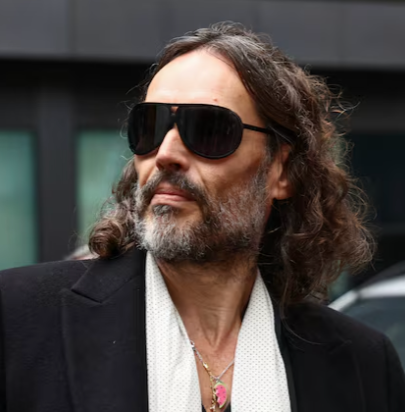
Structural Overview of the Southwark Crown Court Proceedings
| Legal Category & Court Detail | Trial Specification & Official Record | Primary Legal Outcome & Judicial Status |
|---|---|---|
| Jurisdiction & Court Venue | Southwark Crown Court, London, United Kingdom | Presiding Judge Justice Joel Bennathan |
| Jury Composition & Deliberation | Twelve Jurors (Four Women, Eight Men) | Eight hours and thirty minutes of total deliberation |
| Total Charges & Verdict Breakdown | Seven Counts Total (Three Rape, Three Assault, One Attempt) | Four Guilty Verdicts (One Rape, Three Sexual Assaults) |
| Specific Convictions Rendered | 2009 Townhouse Rape; 2004 Soho Bar Assault; 2004 Choice FM Assault; 2009 Channel 4 Project Assault | Remanded into custody; significant prison term mandated |
| Specific Acquittals Rendered | 1999 Labour Conference Rape Count; 2004 Soho Toilet Rape Count; 2001 MTV Attempted Assault Count | Cleared of three secondary counts following jury review |
| Police Status & Ongoing Inquiries | Metropolitan Police Detective Superintendent Andy Furphy | Further investigation active; additional files submitted to Crown Prosecution Service |
The Four-Week Trial and Eight Hours of Jury Deliberations
The trial at Southwark Crown Court presented an exhaustive examination of events that transpired over a ten-year timeframe. Over four consecutive weeks, the courtroom heard testimony from six primary complainants who detailed how initial charm and flattery frequently mutated into sudden intimidation and physical violation. Lead prosecutor Riel Karmy-Jones described Brand as a ruthless, calculated, and manipulative predator who treated women as disposable commodities to satisfy his personal desires.
The jury evaluated seven distinct criminal counts. The deliberation process required eight hours and thirty minutes across two days, reflecting the careful weighing of complex testimony, historical records, and witness credibility. When the jury returned to court on Thursday afternoon, November fifth, two thousand twenty-six, the tension inside the gallery was palpable. Brand, dressed in a grey three-piece suit, stood near the door of the dock, appearing to pray moments before the foreperson read the verdicts.
As each verdict was announced, the stark division of the charges became clear. The jury found Brand guilty of four specific criminal acts against four separate women: anally raping a young fan at his London home in 2009, sexually assaulting a woman at a Soho venue in 2004, sexually assaulting a radio station employee at Choice FM between 2004 and 2005, and sexually assaulting a production worker during a Channel 4 filming project in 2009. Conversely, the jury acquitted him of two counts of rape and one count of attempted indecent assault, demonstrating a precise evaluation of the evidence for each individual incident.
The 2009 Townhouse Incident: Anatomy of the Conviction
The most severe charge resulting in conviction involved the 2009 anal rape of a young woman at Brand’s luxury London townhouse. The victim, who was an enthusiastic fan of his comedy work, recounted meeting Brand after attending one of his live performances at the Hammersmith Apollo in early 2009. Following an initial sexual interaction in his dressing room, she accepted an invitation to visit his home several days later.
During her testimony, the victim described how what began as a consensual encounter turned horrific when Brand forced non-consensual anal penetration upon her. She testified that she explicitly begged him to stop multiple times, but he ignored her pleas and continued the assault. She described feeling paralyzed by severe physical pain and psychological terror, testifying that she felt unable to speak or breathe during the attack.
In devastating detail, the court heard how Brand instructed the traumatized victim to clean up the blood and physical mess resulting from the assault immediately afterward. This testimony provided the prosecution with critical evidence of callous disregard and manipulative post-assault control. The jury’s guilty verdict on this count established legal responsibility for one of the most grave offences under English criminal law.
Workplace Exploitation across Television and Radio Studios
Beyond private residences, the trial exposed how professional broadcasting environments served as hunting grounds where workplace boundaries were systematically demolished. The court received detailed accounts of incidents taking place inside national media headquarters, recording studios, and industry social gatherings, illuminating how corporate hierarchy suppressed reporting.
One guilty verdict pertained to a 2004 sexual assault against a woman working for MTV at a birthday party in Soho, London. The victim testified that Brand approached her without warning, grabbed her breasts aggressively, and subjected her to unwanted physical contact. While the jury acquitted Brand of a secondary charge of oral rape in a venue toilet later that evening, they found him fully guilty of the initial physical assault.
Another conviction involved a female employee at the radio station Choice FM, who recounted an assault taking place between 2004 and 2005. She testified that Brand grabbed her breasts and kissed her sloppily without consent in full view of station staff and members of his personal entourage. The victim explained that the presence of onlookers did not deter Brand, but rather highlighted how his surrounding team normalized and shielded his behavior.
A third workplace conviction stemmed from a 2009 promotional filming project for Channel 4. The complainant, a production worker on set, testified that Brand demanded she give him a massage. When she complied under professional pressure, Brand suddenly placed his head between her legs and pressed his face against her body in front of two colleagues. She expressed feeling utterly repulsed and humiliated, emphasizing that his position as the star of the project made immediate resistance or complaint seem professionally impossible.
The Defense Strategy and the Reimagined Encounters Argument
Throughout the four-week trial, the defense strategy led by Ian Winter KC relied heavily on attempting to reframe the prosecution’s evidence. Brand maintained complete denial of all criminal wrongdoing, asserting that every sexual interaction throughout his life had been entirely consensual, or that historical events had been fabricated and retroactively reframed by accusers following intense media reporting.
The defense presented Brand as a flamboyant, eccentric, and sexually permissive celebrity whose chaotic lifestyle during the two thousands was well known to the public. Counsel argued that being rude, vulgar, or unconventional during sexual intimacy did not equate to criminal behavior if underlying consent was present. The defense repeatedly questioned why complainants had not screamed, struck out, or attempted to flee during the alleged attacks, attempting to use the absence of immediate physical retaliation to undermine victim credibility.
Additionally, the defense argued that the landmark 2023 investigative documentary broadcast by Channel 4 Dispatches, alongside joint reporting by The Times and The Sunday Times, had poisoned the well of justice. Counsel contended that widespread media exposure created an environment where past romantic encounters were retroactively reinterpreted by women through a hostile lens. However, the prosecution countered this by demonstrating that the six trial complainants did not know each other prior to the investigation, yet independently described an identical psychological pattern: initial charm and flattery followed by a terrifying personality shift into aggression.
Remanded into Custody: The Scene in the Dock and Judge Bennathan Ruling
The climax of the courtroom drama occurred immediately following the delivery of the guilty verdicts. Presiding Judge Justice Joel Bennathan addressed the court and made it clear that the nature of the convictions rendered a substantial prison sentence inevitable. Addressing the defendant directly, the judge signaled that brand’s liberty was at an immediate end.
Defense counsel Ian Winter KC made an urgent application for Brand to be granted temporary bail over the weekend, framing the request as an act of humanity so that Brand could return home to say goodbye to his young children. Counsel argued that Brand posed no flight risk and had attended every court session faithfully throughout the trial.
Judge Bennathan firmly rejected the defense application. While acknowledging the hardship that immediate incarceration would place upon the defendant’s family, the judge stated that substantial legal grounds existed to fear that, given the certainty of a lengthy prison term, the defendant might not return to face sentencing. The judge ordered dock officers to take Brand into custody immediately.
As court officers stepped forward to handcuff and escort him to the holding cells below Southwark Crown Court, Brand held his head high, maintained an emotionless expression, and gestured toward his supporters in the gallery, mouthing the words that he was okay. In contrast, his wife, Laura Brand, who had supported him throughout the trial, left the courtroom in visible distress as her husband was led away.
The Confrontation Outside Court: Defense Counsel and Investigative Journalism
The intense friction surrounding the case spilled into public view immediately outside the courtroom doors following the adjournment. Witnesses recorded a sharp exchange between lead defense barrister Ian Winter KC and Rosamund Urwin, the investigative journalist for The Sunday Times whose groundbreaking reporting helped bring the allegations to public light in 2023.
As legal teams and media personnel exited the building, Winter approached Urwin and expressed bitter dissatisfaction with the trial’s outcome, sarcastically suggesting she should be pleased with herself. When Urwin replied that she was pleased justice had been served, the defense barrister delivered a sharp verbal retort, accusing the press investigation of compromising legal fairness before walking away.
This confrontation highlighted the deep animosity between Brand’s legal defense team and the investigative journalists who spent years uncovering survivor testimonies. For media observers, the exchange highlighted how investigative journalism played a pivotal role in breaking through decades of celebrity protection, allowing allegations that had long circulated as industry whispers to be tested under rigorous legal scrutiny.
The 2023 Dispatches Exposé and the Breaking of Silence
To understand the conviction at Southwark Crown Court, one must trace the timeline back to September 2023, when a joint investigation by Channel 4 Dispatches, The Times, and The Sunday Times published alarming allegations of sexual assault, rape, and emotional abuse against Russell Brand. The documentary and accompanying newspaper reports sent shockwaves through the global entertainment industry.
Prior to the 2023 broadcasts, Brand had managed to reinvent himself from a mid-2000s Hollywood star into a prominent online commentator and wellness influencer, amassing millions of digital followers across social media platforms. When journalists presented him with detailed allegations prior to publication, Brand released pre-emptive video denials claiming that his past relationships were entirely consensual and alleging a coordinated smear campaign by mainstream media outlets.
However, the broadcast of the documentary acted as a catalyst. Seeing other women speak publicly provided the courage for additional victims to contact law enforcement. The Metropolitan Police initiated a formal investigation under Detective Superintendent Andy Furphy, gathering testimony, forensic records, and employment logs from media companies. This police inquiry culminated in formal criminal charges, leading directly to the 2026 trial and conviction.
Systemic Failure in British Broadcasting: Duty of Care and Safeguarding
The conviction of Russell Brand has reopened severe scrutiny into major British broadcasting institutions, including the BBC, Channel 4, and independent production companies. During the peak of his career in the mid-2000s, Brand was employed as a flagship presenter across top-rated television shows such as Big Brother’s Big Mouth and major national radio broadcasts on BBC Radio 2 and 6 Music.
Court testimony revealed that multiple production staff members and junior employees were aware of inappropriate behavior, yet institutional safeguards failed to protect workers and guests. Complainants testified that Brand’s predatory conduct was frequently treated as part of his eccentric rock-star persona, with executive management overlooking red flags in exchange for high viewer ratings and commercial success.
Following the verdict, Channel 4 issued an official statement acknowledging the profound impact of the crimes and commending the extraordinary courage of the witnesses who testified. However, industry critics and legal experts emphasize that internal corporate reviews must lead to structural reform. The trial exposed how power imbalance between superstar talent and lower-level media workers created an environment where victims felt powerless to report abuse without risking their careers.
Ongoing Police Investigations and Additional Allegations
The guilty verdict at Southwark Crown Court does not represent the end of legal proceedings concerning Russell Brand. Following the announcement of the jury’s decisions, London’s Metropolitan Police confirmed that broader investigations into his conduct remain active and ongoing.
Detective Superintendent Andy Furphy released a formal statement praising the resilience and bravery of the women who came forward to give evidence. He confirmed that police investigators have compiled and submitted additional case files to the Crown Prosecution Service relating to two further allegations of rape made by other individuals.
Police authorities urged any other potential victims of sexual assault or misconduct to contact law enforcement, emphasizing that confidentiality and support services are available. Legal analysts anticipate that depending on decisions by the Crown Prosecution Service, Brand may face additional criminal proceedings in the future, even as he begins serving his prison sentence for the current convictions.
The Persona of Absolute Privilege: Fame, Power, and Entitlement
The trial provided a psychological portrait of how extreme celebrity status can foster a sense of entitlement. During the two thousands, Brand cultivated a public image centered on hyper-sexuality, drug recovery, and rebellious anarchy. His memoirs and comedy routines openly celebrated sexual conquest, which media executives marketed as edgy entertainment.
In court, Detective Superintendent Furphy noted that as Brand’s public profile grew, so did his sense of personal entitlement. The evidence demonstrated how Brand utilized his fame, financial resources, and corporate entourage to access vulnerable women, isolate them, and enforce silence following assaults.
This dynamic illustrates the danger of celebrity culture when unchecked by ethical boundaries or accountability. The jury’s verdict sent a clear signal that fame and cultural influence offer no immunity under criminal law, dismantling the myth that predatory behavior can be excused under the banner of artistic eccentricity.
Comprehensive Case Breakdown of Complainants and Charges
| Complainant Identification & Timeline | Specific Charge Category & Location | Court Verdict Rendered | Judicial & Investigative Details |
|---|---|---|---|
| Complainant One (2009 Event) | Anal Rape at Private London Townhouse | GUILTY Verdict Rendered | Victim picked from Hammersmith Apollo gig; non-consensual act |
| Complainant Two (2004 Event) | Sexual Assault at Soho Bar Venue | GUILTY Verdict Rendered | Unwanted breast grabbing at MTV party; secondary rape count cleared |
| Complainant Three (2004-2005 Event) | Sexual Assault at Choice FM Studios | GUILTY Verdict Rendered | Forced kissing and breast touching in front of radio staff |
| Complainant Four (2009 Event) | Sexual Assault at Channel 4 Project | GUILTY Verdict Rendered | Inappropriate physical contact during forced massage demand |
| Complainant Five (1999 Event) | Rape Allegation at Party Conference | NOT GUILTY Acquittal | Cleared following review of historical conference testimony |
| Complainant Six (2001 Event) | Attempted Indecent Assault at MTV | NOT GUILTY Acquittal | Cleared regarding alleged attempt to pull victim into restroom |
Key Institutional Figures Shaping the Case and Legal Inquiry
To fully understand the scope of the Southwark Crown Court proceedings, it is essential to examine the roles played by key legal, investigative, and media figures throughout the investigation and trial.
Justice Joel Bennathan served as the presiding judge, maintaining strict control over trial proceedings, managing jury instructions across complex historical counts, and making the decisive ruling to remand Brand into immediate custody based on flight risk and sentence severity.
Riel Karmy-Jones KC served as the lead prosecutor, presenting a cohesive narrative that connected disparate historical incidents across ten years, demonstrating how Brand established a consistent pattern of predatory behavior.
Ian Winter KC acted as lead defense counsel, mounting a vigorous defense centered on consent, historical memory decay, and media bias, while challenging the fairness of trying decades-old allegations.
Detective Superintendent Andy Furphy led the Metropolitan Police investigation team, coordinating witness interviews, gathering documentary records, and publicly affirming the department’s commitment to pursuing further leads.
Rosamund Urwin, investigative journalist for The Sunday Times, co-authored the initial 2023 exposé that broke decades of silence and provided the foundation for law enforcement intervention.
Laura Brand supported her husband throughout the four-week trial, attending daily court sessions and representing the personal strain experienced by the defendant’s immediate family.
Frequently Asked Questions Regarding the Russell Brand Verdict
What specific offenses was Russell Brand convicted of at Southwark Crown Court?
Russell Brand was convicted of four criminal offenses involving four separate women: one count of rape relating to an incident at his London townhouse in 2009, and three counts of sexual assault occurring at a Soho bar in 2004, Choice FM radio station between 2004 and 2005, and a Channel 4 filming project in 2009.
What charges was Russell Brand acquitted of during the trial?
The jury acquitted Brand of three charges: two counts of rape (alleged incidents in 1999 following a political conference and in 2004 at a Soho bar restroom) and one count of attempted indecent assault relating to an MTV event in 2001.
Why was Russell Brand remanded into custody immediately after the verdict?
Presiding Judge Justice Joel Bennathan denied defense requests for weekend bail, ruling that because a significant prison sentence is mandatory for the rape conviction, there were substantial legal grounds to fear that the defendant might fail to return for formal sentencing.
Are there further legal proceedings or police investigations pending against Russell Brand?
Yes, the Metropolitan Police confirmed that investigations into additional sexual assault allegations remain active, and investigative files regarding two further rape complaints have been submitted to the Crown Prosecution Service for charging consideration.
How did the 2023 media investigation impact the criminal prosecution?
The joint investigation by Channel 4 Dispatches, The Times, and The Sunday Times in September 2023 published survivor accounts that encouraged victims to report their experiences to law enforcement, providing police with vital witness statements that led to formal charges.
The Evolution of Public Perception from Comedy Stardom to Legal Reckoning
The conviction of Russell Brand highlights a dramatic shift in public perception over three decades. In the early two thousands, Brand emerged as a dominant figure in British pop culture, blending sharp observational comedy with an exaggerated persona of chaotic decadence. His rise to fame was accelerated by hosting Big Brother spin-off shows, where his rapid-fire wit and boundary-pushing humor captured national attention.
As his career expanded into Hollywood with starring roles in major feature films, media outlets routinely celebrated his hedonistic image. Gossip columns and television interviews frequently highlighted his romantic conquests, framing his behavior as harmless rock-star theatrics. This cultural normalization allowed red flags to be dismissed as mere comedic branding.
However, as society evolved and awareness surrounding sexual violence and workplace harassment heightened, public tolerance for predatory behavior eroded. The 2023 investigative reporting stripped away the glamour, exposing the severe human harm behind the public persona. By the time the trial commenced in 2026, the public view had shifted from amusement to demands for accountability, culminating in the decisive court verdict.
Media Ethics and the Role of Investigative Journalism in Corporate Accountability
The successful prosecution of Russell Brand highlights the vital role that independent investigative journalism plays in holding powerful media figures accountable. For years, rumors and unverified accounts regarding Brand’s conduct circulated within media circles, yet institutional barriers prevented formal exposure.
The collaboration between Channel 4 Dispatches and news journalists required months of painstaking research, legal clearance, and survivor support. Journalists verified historical dates, cross-referenced travel logs, and interviewed dozens of former colleagues to establish a credible body of evidence before publication.
This investigative work served as a catalyst for justice, proving that media organizations must fulfill their ethical responsibility to expose abuse, even when it involves former high-earning stars. The outcome demonstrates that robust journalism remains an essential check against corporate silence and celebrity protection networks.
The Legal Precedents of Historical Sex Offense Prosecutions in the UK
The prosecution of Russell Brand represents a significant chapter in the evolution of how the British legal system handles historical sexual offense cases. For decades, legal authorities faced immense hurdles when trying cases involving incidents that occurred years or even decades prior, as physical forensic evidence was often nonexistent and documentation was sparse.
However, legal reforms under the Sexual Offences Act of 2003, combined with updated prosecution guidelines, established a clearer framework for assessing historical allegations. In cases like Brand’s, where offenses spanned from 1999 to 2009, prosecutors relied on corroborative patterns of behavior, contemporaneous disclosures made to friends or medical professionals, and consistent testimony across multiple independent complainants.
English courts have increasingly recognized that delay in reporting is a common reaction among victims of sexual violence, particularly when the perpetrator occupies a position of immense fame or authority. The Southwark Crown Court proceedings demonstrated how modern jurisprudence allows juries to evaluate historical claims fairly, ensuring that the passage of time does not provide permanent immunity for criminal acts.
Analyzing the Defense Argument of Retroactive Reframing and Media Bias
A central pillar of Brand’s legal defense was the concept of retroactive reframing. Defense counsel argued that the intensive media coverage in September 2023 created a persuasive narrative that influenced how accusers remembered past romantic interactions. According to this theory, consensual encounters that occurred during a period of wild celebrity hedonism were later reinterpreted through a contemporary lens of victimhood.
To support this claim, the defense highlighted that several complainants maintained friendly digital communication, email exchanges, or professional contact with Brand long after the alleged assaults took place. Counsel argued that such ongoing contact was incompatible with the actions of a traumatized victim, suggesting instead that feelings of resentment developed only after public misconduct reports emerged.
The prosecution countered this argument by calling expert witnesses on trauma and post-assault behavior. Experts explained to the jury that victims of sexual assault, especially young women dealing with powerful celebrities, frequently engage in appeasement or maintain normal contact as a psychological coping mechanism. The jury’s selective verdicts—convicting on four counts while acquitting on three—indicated that jurors carefully distinguished between genuine historical trauma and instances where reasonable doubt existed.
The Role of Anonymity and Victim Protection in Modern British Courts
Under United Kingdom law, individuals who report sexual offenses are granted automatic, lifelong anonymity from the moment an allegation is made. This legal protection is designed to shield complainants from public harassment, media intrusion, and digital retaliation, fostering an environment where victims feel safe coming forward.
Throughout the four-week trial at Southwark Crown Court, strict reporting restrictions were enforced by Judge Bennathan. The six primary complainants were referred to in court documents and media reports only by pseudonyms or numerical designations. Special measures were also implemented inside the courtroom, allowing witnesses to give evidence behind screens or via live video link to reduce intimidation.
These protective measures proved essential during the Brand trial, given his massive online following and the intense public interest surrounding the case. Detective Superintendent Andy Furphy noted that without the legal guarantee of lifelong anonymity and court protection, many of the brave women who testified would never have agreed to participate in the prosecution.
The Mechanics of Jury Deliberations in Multi-Count Complex Sex Trials
Evaluating a complex trial featuring seven distinct charges across six complainants presents extraordinary challenges for a jury. Jurors must evaluate each count independently, ensuring that evidence supporting one allegation does not improperly bias their assessment of another.
During the eight hours and thirty minutes of deliberations at Southwark Crown Court, the panel of four women and eight men engaged in methodical analysis of the evidence. Jurors reviewed court transcripts, audio recordings, witness statements, and contemporaneous text messages to assess whether the prosecution had proven guilt beyond a reasonable doubt for each separate incident.
The resulting verdict pattern—four guilty verdicts and three acquittals—demonstrates that the jury applied rigorous legal standards rather than delivering a blanket judgment. By scrutinizing the specific details of each count, the jury upheld the integrity of the judicial process, confirming convictions where evidence was overwhelming while acquitting where doubt remained.
Detailed Breakdown of the Acquitted Counts and Jury Discrimination
To understand the precision of the jury’s decision, it is valuable to examine the three counts that resulted in acquittals. The first acquittal pertained to an alleged rape in 1999 following a political conference in Bournemouth. The defense presented evidence showing inconsistencies in travel dates and event timelines, raising sufficient doubt for the jury to find Brand not guilty.
The second acquittal involved a charge of oral rape allegedly occurring in a Soho bar restroom in 2004. While the jury convicted Brand of sexually assaulting the same complainant at the bar party earlier that evening by grabbing her breasts, they concluded that the evidence regarding the subsequent toilet incident did not meet the required threshold of proof beyond a reasonable doubt.
The third acquittal concerned an alleged attempt to indecently assault an MTV employee in 2001 by dragging her toward a restroom. The jury found that witness accounts of the physical interaction were conflicting regarding intent and physical restraint. These acquittals highlight that the jury acted with complete impartiality, refusing to convict on weaker charges simply because other counts were firmly proven.
The Psychological Burden on Complainants Testifying in High-Profile Cases
Testifying in a high-profile criminal trial imposes a staggering psychological burden on victims of sexual assault. Complainants must relive deeply traumatic moments in a formal court environment while facing intense cross-examination from skilled defense barristers seeking to undermine their character and memory.
During the trial, complainants described feeling anxious, humiliated, and exhausted as their past personal lives, sexual histories, and private communications were scrutinized in front of a full courtroom. Prosecutor Riel Karmy-Jones noted that several witnesses experienced severe distress during cross-examination regarding why they did not report the incidents immediately.
Despite these immense pressures, the complainants persevered, driven by a desire for truth and accountability. Police representatives emphasized that the courage shown by these women not only secured legal justice in this case but also provided inspiration for other survivors of sexual violence who have long suffered in silence.
Institutional Protection Dynamics: How 2000s Media Entourages Enabled Misconduct
The testimony delivered during the trial offered a stark window into how production entourages and celebrity management teams operated during the peak of British reality television and comedy broadcasting in the two thousands. In that era, top-tier talent generated massive advertising revenue and viewer ratings, leading broadcasting networks to create insular support networks around their stars.
Witnesses recounted how Brand was surrounded by personal assistants, talent managers, drivers, and security personnel whose primary unwritten directive was to facilitate his demands and smooth over potential disruptions. When inappropriate physical contact or predatory behavior occurred on set or at station promotional events, staff members frequently normalized the behavior as part of his uninhibited comedic persona.
This institutional protection mechanism created a formidable barrier for victims. Junior researchers, radio assistants, and venue staff recognized that complaining about a flagship presenter could result in blacklisting, career retaliation, or public dismissal. The trial highlighted how corporate structures prioritized financial returns and talent retention over basic employee safety, allowing predatory behavior to continue unchecked across multiple media organizations.
The Transition from Mainstream Celebrity to Alternative Online Influencer
As mainstream television contracts waned in the mid-2010s, Russell Brand executed a dramatic career pivot, transitioning from traditional broadcasting to the digital environment. Leveraging his brand recognition, he built a massive online following across YouTube, podcasting platforms, and alternative media networks, rebranding himself as an independent truth-teller, spiritual seeker, and critic of mainstream institutions.
This digital reinvention allowed Brand to cultivate a dedicated, global audience that viewed him through a lens of anti-establishment authenticity. When investigative journalists approached him with sexual assault allegations in 2023, Brand utilized his direct digital channel to frame the investigation as a coordinated attack by establishment media aimed at censoring his political commentary.
This strategy temporarily insulated him within a protective echo chamber of loyal followers. However, the formal legal process of Southwark Crown Court operated under strict rules of evidence, where internet narratives could not replace sworn testimony, cross-examination, and judicial scrutiny. The guilty verdict demonstrated the ultimate limitation of digital influence when confronted with criminal justice accountability.
Financial and Commercial Consequences: Sponsorships, Monetization, and Book Deals
The legal proceedings and subsequent conviction resulted in immediate and devastating financial consequences for Brand’s commercial empire. Following the initial publication of allegations in September 2023, major digital platforms, publishing houses, and talent agencies moved swiftly to sever commercial ties.
YouTube suspended monetization on his official channels, cutting off a primary revenue stream generated by millions of views. Global publishing platforms halted scheduled book releases, while talent management agencies dropped him from their client rosters. Live performance tours and theater bookings were canceled across the United Kingdom and North America.
The guilty verdict at Southwark Crown Court permanently solidified this commercial collapse. Industry analysts estimate that the conviction has resulted in tens of millions of dollars in lost earnings, ongoing legal expenses, and commercial insolvency. Beyond personal financial loss, the case sent a clear warning to corporate sponsors regarding the reputational liability of aligning with individuals facing severe ethical and legal misconduct allegations.
The Impact on Victims and the Role of Support Organizations
The emotional and psychological toll inflicted on victims of sexual assault often persists long after legal trials conclude. Testimony during the trial illustrated how complainants suffered from long-term trauma, anxiety, self-doubt, and disrupted careers as a result of their experiences and the subsequent burden of legal proceedings.
In response to the verdict, UK support organizations such as Rape Crisis England and Wales emphasized the vital importance of providing comprehensive, long-term care for survivors. Representatives noted that high-profile trials can trigger intense distress for victims across the country, while simultaneously highlighting the necessity of accessible helpline services.
National support networks reminded the public that specialized assistance is available confidentially for anyone affected by sexual violence. The courage displayed by the complainants in the Brand trial served to reinforce the message that survivors do not have to carry the weight of trauma alone and that legal support systems exist to help navigate the path toward recovery.
Police Methods in Historical Sexual Assault Investigations
Conducting a thorough criminal investigation into sexual assault allegations dating back ten to twenty-five years requires specialized law enforcement methodologies. The Metropolitan Police team led by Detective Superintendent Andy Furphy utilized advanced investigative techniques to construct an evidentiary case capable of withstanding courtroom scrutiny.
Investigators conducted extensive archival searches, retrieving historic workplace rosters, call logs, diary entries, travel itineraries, and broadcast production schedules from the 1999 to 2009 period. Officers interviewed dozens of former production personnel, hotel staff, and event attendees to corroborate complainant timelines and establish presence at specific locations.
Additionally, digital forensic experts analyzed historical electronic communications, email records, and text messages. By systematically weaving together physical evidence, documentary records, and independent witness accounts, law enforcement constructed a compelling narrative that proved essential in securing convictions before the jury.
Legal Safeguards Against Flight Risk in High-Profile Convictions
The decision by Judge Bennathan to remand Russell Brand into immediate custody following the verdict highlights the legal principles governing bail and flight risk in English criminal procedure. Under the Bail Act of 1976, courts must evaluate whether a convicted defendant presents a risk of absconding prior to sentencing.
When a defendant is convicted of an offense that carries a mandatory or near-certain custodial sentence—such as rape—the legal presumption in favor of bail is heavily diminished. Factors such as substantial financial assets, international travel capabilities, and access to private transport increase the perceived flight risk for high-profile individuals.
Despite passionate appeals from defense counsel emphasizing family obligations and prior court attendance, the court concluded that the immense gravity of the impending prison sentence created an intolerable risk of non-appearance. By remanding Brand directly into custody, the court ensured that the execution of justice remained secure and uncompromised.
The Culture of Silence in the Golden Age of British Reality Television
The era spanning the late 1990s through the 2000s is frequently described as the golden age of British reality television and edgy broadcast comedy. Characterized by aggressive tabloid competition, provocative humor, and unscripted entertainment formats, this period generated unprecedented commercial success for television networks.
However, this cultural environment also fostered a pervasive culture of silence. Off-camera behavior that infringed upon personal dignity or physical safety was routinely dismissed as harmless banter or rock-star antics. Production companies operated with minimal formal oversight regarding talent conduct, leaving junior crew members and vulnerable guests without effective reporting channels.
The Brand trial exposed how this permissive workplace atmosphere enabled systemic abuse. By shining a spotlight on the historical failures of reality TV production culture, the legal verdict has forced the broadcasting industry to recognize that creative freedom can never be permitted to supersede fundamental human rights and workplace safety.
Examining the Role of Intimacy Coordinators and Modern Set Safeguards
In the years following the events examined in the Brand trial, the film and television industries have instituted sweeping structural reforms to prevent workplace harassment and assault. Among the most significant developments has been the widespread implementation of intimacy coordinators on production sets.
Intimacy coordinators are trained professionals who serve as liaisons between actors, directors, and production crews during the staging of scenes involving nudity, intimacy, or physical vulnerability. They establish clear boundaries, ensure informed consent, and maintain documented protocols, ensuring that artistic performance remains strictly professional and safe.
Additionally, contemporary broadcast networks have established mandatory safeguarding policies, independent whistleblower hotlines, and confidential HR reporting mechanisms. While these modern safeguards cannot undo past harm, their implementation reflects a necessary shift toward protecting performers and production staff from predatory dynamics.
A Comparative Analysis of Celebrity Legal Reckonings Across the Atlantic
The conviction of Russell Brand forms part of a broader global movement demanding accountability for high-profile figures in the entertainment industry. Across both North America and Europe, high-profile legal prosecutions have dismantled the long-standing belief that fame and wealth protect individuals from legal consequences.
Comparing cases across jurisdictions reveals common structural patterns: long periods of institutional silence, the critical role of investigative journalism in breaking through non-disclosure agreements, and the immense bravery required for survivors to step forward. Whether in Hollywood or London, courts have increasingly prioritized objective evidence and victim testimony over celebrity stature.
The Brand verdict reinforces this international precedent, demonstrating that judicial systems across the globe are adapting to address historical sexual violence effectively. The trial confirms that legal accountability applies equally to all citizens, regardless of their cultural influence or public popularity.
How Public Statements Before Trial Affect Jury Selection and Legal Integrity
In the digital age, high-profile criminal prosecutions face intense pressure from public commentary, online debates, and media campaigns prior to trial. In the Brand case, extensive pre-trial reporting and digital commentary created potential challenges for maintaining jury impartiality.
English law maintains strict contempt of court rules designed to protect the integrity of active legal proceedings. Once criminal charges are filed, public reporting is strictly limited to factual court coverage to prevent prejudicing potential jurors. During jury selection at Southwark Crown Court, prospective jurors were thoroughly screened to ensure they could render an impartial verdict based solely on evidence presented inside the courtroom.
The jury’s careful deliberation and split verdict proved that the legal safeguards governing jury selection and trial management functioned effectively. Despite years of intense public interest and digital debate, the twelve jurors evaluated the evidence with complete impartiality, upholding the fundamental principle of a fair trial.
The Role of Forensic Evidence Versus Historical Testimony in Rape Trials
A common misconception in sexual assault litigation is that convictions cannot be secured without physical forensic evidence such as DNA or immediate medical reports. In historical cases occurring years after the event, physical evidence is inevitably absent, requiring courts to evaluate evidenced and documentary proof.
Under UK law, sworn witness testimony constitutes primary legal evidence. In the Brand trial, the prosecution presented a compelling narrative by combining the detailed accounts of multiple complainants with contemporaneous disclosures made to friends, medical professionals, and coworkers shortly after the incidents occurred.
The court also evaluated corroborative evidence, including production call sheets, electronic communications, and venue logs. The jury’s guilty verdict on the rape count demonstrates that consistent, detailed witness testimony, when corroborated by surrounding circumstances, provides a legally sound foundation for conviction beyond a reasonable doubt.
Sentencing Guidelines for Rape and Sexual Assault in Crown Court Jurisdiction
With the trial concluded and guilty verdicts recorded, attention turns to the formal sentencing phase under Crown Court jurisdiction. In the United Kingdom, sentencing for serious sexual offenses is governed by strict statutory guidelines established by the Sentencing Council.
For the crime of rape, statutory guidelines mandate significant custodial sentences, with starting points ranging from five to over ten years of imprisonment depending on aggravating factors such as physical violence, breach of trust, and premeditation. Sexual assault convictions carry additional custodial penalties that can be served concurrently or consecutively.
Presiding Judge Justice Joel Bennathan indicated clearly following the verdict that a significant prison sentence is inevitable for Brand. During the upcoming sentencing hearing, the judge will evaluate victim impact statements, pre-sentence reports, and legal submissions before delivering the formal custodial sentence, concluding this landmark judicial proceeding.
The Broader Social Movement and the shift of Legal Accountability
The conviction of Russell Brand forms part of a wider cultural realignment regarding personal accountability, workplace safety, and gender-based violence. Over the past decade, social movements across the globe have fundamentally altered public expectations surrounding institutional integrity and individual responsibility.
Historically, allegations against prominent figures were frequently buried through private financial settlements, non-disclosure agreements, and public relations campaigns. Today, survivors are supported by stronger legal protections, improved law enforcement practices, and public willingness to demand justice.
The Southwark Crown Court verdict demonstrates that societal attitudes toward sexual violence have shifted permanently. Courts now evaluate historical allegations with rigorous impartiality, signaling to high-profile individuals that past misconduct cannot be erased by time, status, or digital rebranding efforts.
Rebuilding Duty of Care Protocols Across Independent Television Production
In the wake of the trial, broadcasting networks and independent production companies across the United Kingdom are conducting comprehensive reviews of their operational procedures. The revelations of past workplace misconduct have forced executives to institute mandatory duty of care guidelines across all production environments.
Modern production guidelines now require independent safety monitoring, clear codes of conduct, and mandatory reporting channels for all staff members, regardless of seniority. Production companies must appoint designated safeguarding officers who operate independently of creative talent and executive producers.
These structural changes aim to eradicate the permissive workplace cultures that previously enabled misconduct. By prioritizing staff safety over talent demands, the broadcasting industry is working to ensure that future media environments remain safe, respectful, and professional for all workers.
The Power Imbalance in Talent Management and Agency Relationships
The trial highlighted the complex financial relationships between celebrity talent, commercial talent agencies, and management firms. In entertainment ecosystems, talent agencies earn substantial revenue from star clients, creating potential conflicts of interest when allegations of misconduct arise.
During the two thousands, talent representatives were often incentivized to protect key clients, prioritizing lucrative contracts and career momentum over reporting worker complaints. This economic dynamic contributed to an environment where warning signs were overlooked or minimized.
In response to recent legal reckonings, talent agencies are adopting stricter ethical compliance policies. Modern agency representation agreements increasingly include moral conduct clauses and mandatory reporting provisions, ensuring that commercial interests do not eclipse ethical and legal obligations.
How Digital Platforms Manage Monetization for Individuals Facing Conviction
The Brand case highlighted critical questions regarding digital platform governance and content monetization. Following the publication of severe criminal allegations in 2023, major digital video and podcasting platforms faced public pressure to review Brand’s commercial accounts.
While digital platforms balance commitments to open expression, most maintain strict creator guidelines prohibiting content monetization for accounts associated with severe real-world harm or legal conviction. YouTube’s decision to suspend advertising revenue on Brand’s channels marked a pivotal moment in digital platform governance.
Following his guilty verdict at Southwark Crown Court, digital platforms are evaluating long-term policies regarding convicted creators. This case establishes a precedent for how global technology companies handle monetization rights when creators are convicted of serious criminal offenses in court.
The Role of Public Interest Investigations in Uncovering Hidden Crimes
The legal outcome at Southwark Crown Court demonstrates the immense public value of investigative journalism. The joint investigation conducted by Channel 4 Dispatches, The Times, and The Sunday Times required extraordinary dedication, legal courage, and editorial rigor.
Investigative reporters spent months interviewing former employees, cross-referencing public records, and verifying complainant accounts before publishing their findings. This public interest journalism provided the initial evidence base that enabled law enforcement to initiate formal criminal proceedings.
The case serves as a powerful reminder that independent news reporting is vital for a healthy society. Without dedicated journalists willing to investigate powerful figures, systemic misconduct might have remained hidden from public view indefinitely.
Final Reflection on Justice, Accountability, and Restorative Cultural Change
The conviction of Russell Brand at Southwark Crown Court brings a definitive conclusion to a long and painful journey for the brave women who came forward. The jury’s verdict delivers legal justice for past crimes while offering a powerful message of hope for survivors of sexual violence everywhere.
This landmark trial highlights that no individual, regardless of fame, wealth, or cultural stature, stands above the law. The proceedings exposed the severe flaws of past media culture while affirming the strength of modern judicial systems when guided by truth and evidence.
As the legal process moves to formal sentencing, the lasting legacy of this trial will be defined by the courage of the complainants. Their willingness to speak truth to power has reshaped public understanding, strengthened institutional accountability, and ensured that justice ultimately prevailed.
The Evolution of Legal Definitions of Consent in Modern Criminal Jurisprudence
A central element in the Southwark Crown Court proceedings was the legal interpretation of consent under English criminal law. Under the Sexual Offences Act 2003, consent is defined as an agreement by choice where an individual has the freedom and capacity to make that choice.
During the trial, Judge Bennathan instructed the jury on how to evaluate consent in scenarios involving alcohol, power imbalances, and physical intimidation. The prosecution demonstrated that passive compliance or silence resulting from fear or physical pain does not constitute lawful agreement.
The jury’s verdict reinforces modern legal precedent that consent must be active, ongoing, and freely given. This trial highlights how modern courts reject outdated defenses that attempt to conflate lack of violent physical resistance with voluntary participation.
The Long-Term Impact of High-Profile Trials on Future Jury Perceptions
The public nature and definitive outcome of the Russell Brand trial will likely influence how future juries evaluate historical sexual offense allegations. By witnessing a multi-count trial result in specific convictions alongside deliberate acquittals, future jurors see that legal systems can process complex historical claims fairly.
Legal scholars note that high-profile cases help demystify court procedures for the public. Jurors in future proceedings may feel more confident assessing historical witness credibility, recognizing that delay in reporting is a documented reaction to trauma rather than a flaw in testimony.
This trial establishes that public interest and historical delay do not prevent juries from reaching just verdicts. The careful deliberation demonstrated at Southwark Crown Court serves as an lasting model for managing complex criminal litigation involving celebrity defendants.
Institutional Reform Across Media Production Agencies and Freelance Networks
Beyond broadcast networks, independent freelance media agencies are restructuring their operational frameworks in response to the trial’s disclosures. Historically, freelance researchers, technical crews, and production assistants faced heightened vulnerability due to temporary employment contracts.
New industry initiatives mandate that production agencies establish third-party reporting channels where freelance workers can report harassment or safety concerns anonymously without fear of contract termination. Industry unions are pushing for legally binding safety clauses across all media employment contracts.
These systemic reforms aim to protect gig economy workers within the creative industries. By establishing clear accountability mechanisms for independent contractors, the entertainment sector is working to prevent the reoccurrence of workplace exploitation.
The Psychological Dimension of Celebrity Entitlement and Social Boundaries
The psychological dynamics examined during the trial shed light on how sustained fame and wealth can distort individual perceptions of social boundaries. Psychologists specializing in high-profile behavior note that constant adulation, coupled with insular entourage management, often fosters hubris and boundary degradation.
In Brand’s case, the transition from stand-up comedian to international celebrity was accompanied by a public persona that celebrated boundary violation as artistic expression. When surrounding institutions failed to enforce ethical standards, predatory behavior escalated across professional and personal settings.
Understanding these psychological dynamics is essential for designing effective institutional safeguards. Media organizations must recognize that talent management requires establishing firm ethical boundaries, preventing celebrity status from degenerating into abusive behavior.
The Historical Trajectory of Legal Reform in British Sexual Assault Laws
To contextualize the trial’s significance, one must examine the historical evolution of sexual offense legislation in the United Kingdom. Over the past several decades, Parliament has repeatedly reformed legal statutes to strengthen victim protections and modernize prosecution standards.
Key legislative milestones, including the removal of marital rape exemptions and the passage of the Sexual Offences Act 2003, expanded legal definitions of assault and introduced protective measures for vulnerable witnesses. The successful prosecution of complex historical cases relies directly on these statutory foundations.
The outcome at Southwark Crown Court reflects decades of legislative and judicial progress. By providing robust legal frameworks capable of prosecuting complex historical crimes, the UK legal system ensures that justice remains accessible for all victims of sexual violence.
Concluding Synthesis: Truth, Justice, and the Permanent Shift in Entertainment Culture
The conviction of Russell Brand marks a watershed moment in the intersection of celebrity culture, media ethics, and criminal justice. The verdict at Southwark Crown Court delivers long-overdue justice for the victims while dismantling the myth of celebrity immunity.
Throughout this long and challenging process, the courage of the complainants remained the guiding light. Their willingness to come forward and face rigorous courtroom cross-examination has fundamentally shifted how society and the courts handle historical abuse.
As the entertainment industry continues to evolve, the lessons of this trial will remain a permanent benchmark. By demonstrating that accountability applies equally to everyone, the legal system has affirmed that truth and human dignity will always prevail over fame and power.
The Role of Expert Witnesses in Clarifying Complex Trauma Testimony
In complex historical trials involving sexual violence, expert testimony plays an essential role in assisting juries to understand post-trauma behavior. During the Southwark Crown Court proceedings, medical professionals and clinical psychologists provided testimony regarding the diverse ways victims process traumatic experiences.
Experts testified that trauma responses vary widely across individuals. Actions such as delayed reporting, maintaining contact with an perpetrator, or experiencing difficulty recalling precise chronological sequences are well-documented psychological phenomena.
This expert testimony provided the jury with valuable context for evaluating complainant statements. By bridging the gap between clinical trauma research and legal evidence, the expert witnesses ensured that the jury could assess victim testimony with nuanced understanding and legal fairness.
Global Media Coverage and International Legal Observations
The verdict at Southwark Crown Court attracted intense international media coverage, reflecting the global profile of the defendant and the broader implications for international entertainment reporting. Major international news outlets across North America, Europe, Asia, and Australia carried live updates as the decision was announced.
Legal commentators across international jurisdictions noted that the trial serves as a landmark case study in prosecuting historical offenses within highly publicized entertainment industries. The proceedings demonstrated that legal systems can manage high-profile trials with procedural rigor, ensuring that justice is delivered transparently.
The international interest in the case highlights a shared global commitment to combating sexual violence and holding powerful figures accountable. As legal systems across the globe refine their procedures, the Southwark trial will stand as an influential reference point for future international jurisprudence.