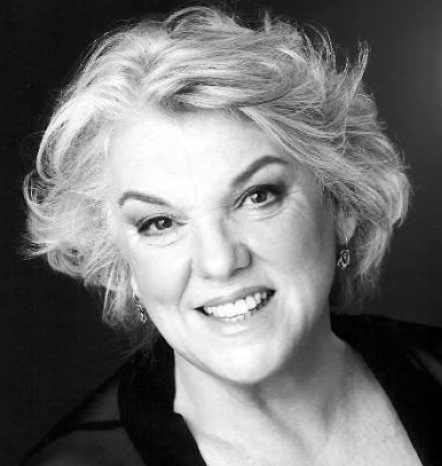
The harsh lights of a Broadway theater hold no secrets. When news broke in early 2024 that six-time Emmy Award winner and Tony Award royalty Tyne Daly had been unexpectedly rushed to the hospital during dress rehearsals for the Broadway revival of Doubt, a collective shockwave rippled through the American theater community. At seventy-eight years old, Daly was preparing to take the stage at the Todd Haimes Theatre as Sister Aloysius, the fierce, unyielding school principal opposite Liev Schreiber. Her abrupt departure from the production to focus on immediate medical care and a full recovery refocused public attention on one of the most resilient, uncompromising figures in performing arts history. Beyond the immediate health headlines, fans and commentators quickly began revisiting her recent physical evolution, her noticeable body changes during demanding stage runs, and her lifelong refusal to submit to Hollywood unrealistic standards for women bodies.
For six decades, Tyne Daly has stood as a towering force of authenticity in an industry obsessed with cosmetic perfection and artificial youth. From her groundbreaking portrayal of Detective Mary Beth Lacey in Cagney and Lacey alongside Sharon Gless during the nineteen eighties to her acclaimed performance as Maxine Gray in Judging Amy, and her legendary Broadway turns as Mama Rose in Gypsy and Maria Callas in Master Class, Daly has redefined what it means to be a leading woman. Her journey through weight shifts, physical health hurdles, and natural aging offers a compelling case study in personal sovereignty. In an era dominated by rapid weight loss drugs and surgical modifications, Daly choice to age naturally, embrace gray hair, and meet physical health challenges with quiet grit makes her story both urgent and evergreen.
To understand the intense interest surrounding Tyne Daly health and physical appearance, one must look closely at the physical demands of live theater. Unlike television production, where camera angles and lighting adjustments can conceal fatigue or physical strain, Broadway acting requires raw stamina. A single stage run demands eight performances a week, two-hour vocal projections without electronic amplification, and intense physical movement under burning stage lighting. When Daly took on the role of opera diva Maria Callas in the West End production of Master Class, theatergoers in London immediately noticed a leaner, more agile frame. Fans on theater forums noted her visible weight loss and heightened physical vigor, sparking widespread conversation about how her stage training and dietary adjustments allowed her to command the stage at an age when many contemporaries had retired.
Yet Daly approach to her body has never been driven by vanity or vanity press. She has repeatedly spoken out against the industry pressure to look perpetually thirty. When asked about her natural gray hair and shifting silhouette, Daly famously remarked that her face and body represent a life fully lived, earned through decades of work, motherhood, and emotional depth. Her recent health scare during Doubt rehearsals served as a powerful reminder that physical health, vitality, and longevity matter far more than achieving a sample-size gown for a red carpet photo line.
The story of Tyne Daly health and weight loss is not a quick tabloid tale of a dramatic overnight slimdown. It is a rich, complex narrative about an actress who has spent fifty years negotiating the physical demands of her craft, confronting medical hurdles with grace, and demonstrating that true beauty lies in strength, talent, and unvarnished truth. As she continues her full recovery surrounded by family and fellow theater artists, her journey offers vital lessons about body respect, natural aging, and overcoming unexpected health challenges in the public eye.
Roots of Resilience: The Family Legacy and Early Training of Ellen Tyne Daly
Long before her name was etched into television history, Ellen Tyne Daly was born into a family where acting was treated as a craft, a discipline, and a daily blue-collar effort. Born in Madison, Wisconsin, in February nineteen forty-six to acclaimed actor James Daly and actress Hope Newell, young Tyne was immersed in the theatrical tradition from her earliest memories. Her father, James Daly, was a respected stage and screen performer best known for his role as Dr. Paul Lochner in the popular medical drama Medical Center, while her younger brother, Tim Daly, would later achieve widespread fame as Joe Hackett on Wings and Henry McCord on Madam Secretary.
Growing up in a household centered around regional theater and live television, Daly learned early that an actor body is their primary instrument. She observed firsthand the physical conditioning required to sustain long runs in repertory theater, where performers played multiple roles across consecutive nights. She attended Rockland Community College before moving to New York City to study at the prestigious American Musical and Dramatic Academy. Her time at AMDA provided a rigorous foundation in vocal projection, physical movement, classical text analysis, and breath control—skills that would serve as her anchor throughout her long career.
In nineteen sixty-six, at twenty years old, Daly married actor and director Georg Stanford Brown, whom she met while studying at AMDA. Their marriage was a courageous statement during a tumultuous period in American history, as inter-racial marriages still faced social prejudice and legal challenges in several states prior to the landmark Supreme Court ruling in Loving v. Virginia. Together, Daly and Brown built a union that spanned twenty-four years and produced three daughters, Alene, Kathryne, and Alyxandra. Balancing the physical demands of motherhood with an active acting career required relentless energy and physical stamina, setting a pattern of resilience that defined Daly personal and professional life.
Her early stage work included regional theater productions and off-Broadway appearances where she quickly established a reputation for emotional honesty and physical grounding. She avoided the conventional starlet roles of the late nineteen sixties and early nineteen seventies, gravitating instead toward complex, layered characters who possessed real-world grit. She recognized early on that attempting to fit into the ultra-thin, homogenized aesthetic demanded by Hollywood studios would restrict her artistic range. Instead, she chose to honor her natural, athletic physique, establishing a foundation of self-acceptance that would carry her through decades of changing body trends in the entertainment world.
Daly early television appearances on shows like Medical Center, Judd for the Defense, and The Mod Squad demonstrated her ability to bring quiet authority and emotional vulnerability to the screen. Her break out role came in the nineteen seventy-six Clint Eastwood film The Enforcer, where she played Inspector Kate Moore, Dirty Harry first female partner. Her physical performance in the action-packed film proved that female characters could handle heavy physical demands without sacrificing emotional authenticity, paving the way for her historic television break through a few years later.
Cagney and Lacey: Revolutionizing the Portrayal of Women Bodies on Prime-Time Television
In nineteen eighty-two, American television underwent a seismic shift with the debut of Cagney and Lacey on CBS. Created by Barbara Avedon and Barbara Corday, the series followed two female police detectives working in a working-class New York City precinct. While Loretta Swit played Christine Cagney in the original television movie and Meg Foster took over the role briefly in the first season, it was Sharon Gless who stepped in as Cagney alongside Tyne Daly Mary Beth Lacey, creating one of the most celebrated dynamic pairings in broadcast history.
Tyne Daly performance as Detective Mary Beth Lacey broke every established rule for female leads on network television. Up until that point, prime-time television routinely framed women as glamour figures or passive supporting partners. Mary Beth Lacey was unapologetically real. She was a working-class mother of three, married to a construction worker played by John Karlen, juggling laundry, budget strain, marriage pressures, and high-stress precinct work. Daly refused to wear heavy glamour makeup or stylish Hollywood wardrobes, insisting that Mary Beth look like an actual working detective who spent eight hours walking the pavement in New York.
Her physical portrayal of Mary Beth Lacey challenged deep-seated industry biases regarding female body weight and appearance. Daly was comfortable in her skin, portraying a woman who enjoyed her food, managed family meals, and carried a natural, relatable body shape that reflected millions of real working mothers across North America. When studio executives occasionally raised questions about wardrobe choices or physical conditioning, Daly held her ground, emphasizing that character credibility mattered far more than fitting into unrealistic fashion molds.
Over the seven-season run of Cagney and Lacey from nineteen eighty-two to nineteen eighty-eight, Daly earned four Emmy Awards for Outstanding Lead Actress in a Drama Series. Her chemistry with Sharon Gless became legendary, grounded in deep mutual respect both on and off the set. While Gless character represented the single, career-driven woman navigating dating and career ambitions, Daly represented the grounded family matriarch whose strength came from domestic reality and street-smart wisdom.
The physical strain of filming twenty-two episodes per season was formidable. Long night shoots on location in New York, demanding action sequences, foot chases, and emotionally heavy story arcs required peak mental and physical endurance. Daly proved that a female actress did not need to conform to restrictive weight standards to lead a top-rated network series. Her success sent a powerful message to millions of female viewers that their worth, capability, and beauty were not defined by a scale or a dress size, establishing a precedent for female representation that echoes through television production today.
The Broadway Conquest: Mama Rose, Vocal Physical Conditioning, and the Tony Award Victory
Following the conclusion of Cagney and Lacey in nineteen eighty-eight, many television stars might have retreated to lucrative guest appearances or comfortable film roles. Instead, Tyne Daly chose to throw herself into one of the most physically and vocally grueling roles in American musical theater: Rose Hovick, better known as Mama Rose, in Arthur Laurents landmark nineteen eighty-nine Broadway revival of Gypsy.
Playing Mama Rose in Gypsy is widely regarded by theater historians as the female equivalent of playing King Lear. The role requires relentless stage presence, ferocious emotional energy, and explosive belt-singing across iconic numbers such as Some People, Everything Coming Up Roses, and the climactic vocal breakdown Rose Turn. Skeptics initially questioned whether a dramatic television actress without a background in musical theater could handle the vocal range and athletic conditioning needed for eight shows a week at the St. James Theatre.
Daly answered every doubt through sheer work ethic and physical discipline. To prepare for the grueling run, she underwent intensive vocal training with top Broadway coaches, restructuring her breathing techniques and building core abdominal strength to support her belt voice without damaging her vocal cords. She adjusted her daily dietary routine, focusing on clean protein, complex carbohydrates for sustained energy, and strict hydration to protect her throat under dry theater HVAC systems.
Her performance was a revelation. Audiences and critics were stunned by her physical vitality and fierce emotional truth. Frank Rich, writing for The New York Times, hailed her performance as a triumph of grit, theatrical instinct, and fierce character conviction. Daly created a Mama Rose who was physically grounded, earthy, and terrifyingly determined—a mother driven by raw survival instincts rather than glossy Broadway polish.
Her effort culminated in winning the nineteen ninety Tony Award for Best Actress in a Musical, cementing her status as a theatrical powerhouse who could conquer both television and the Great White Way. The physical evolution required for Gypsy proved that Daly possessed the athletic endurance of a seasoned Broadway veteran. She proved that physical conditioning for the stage is not about achieving thinness, but about building core strength, lung capacity, stamina, and physical longevity capable of sustaining intense artistic effort night after night.
Judging Amy and Maxine Gray: Embracing Natural Aging, Gray Hair, and Midlife Authenticity
In nineteen ninety-nine, Tyne Daly returned to prime-time television in Judging Amy, a drama series created by her former co-star Amy Brenneman based on the real-life experiences of Brenneman mother, a family court judge. Daly was cast as Maxine Gray, an outspoken, fiercely compassionate social worker with the Department of Children and Family Services in Hartford, Connecticut, and the mother of Brenneman character, Judge Amy Gray.
Maxine Gray became another iconic TV character in Daly repertoire, earning her a fifth Emmy Award in two thousand three for Outstanding Supporting Actress in a Drama Series. What made Maxine Gray so resonant with millions of viewers was Daly absolute refusal to disguise her age or alter her physical appearance. While many middle-aged actresses in Hollywood felt compelled to undergo cosmetic procedures, dye their hair, or adhere to strict weight-loss regimens to secure television roles, Daly proudly highlighted her natural gray hair, comfortable wardrobe, and realistic body shape.
Daly decision to let her hair turn silver was a deliberate political and personal statement. In interviews during the six-season run of Judging Amy, she spoke openly about the liberation of stepping away from hair dye and embracing the natural physical changes that come with age. She argued that society obsession with suppressing visible signs of aging robs older women of their dignity, wisdom, and earned authority. On screen, her silver hair and expressive, unbotoxed face gave Maxine Gray an unmistakable gravitas that connected deeply with mature women across the country.
Her portrayal of Maxine Gray also highlighted the physical realities of working professionals in social services. The character spent long days driving across town, visiting struggling families, negotiating bureaucratic tape, and dealing with emotional crises. Daly brought an energetic, grounded physical presence to the role, demonstrating that a woman in her fifties and sixties could be lively, sexually active, professionally formidable, and emotionally complex without conforming to youthful body standards.
Through Judging Amy, Daly established herself as a champion for natural aging in media culture. She showed that an actress physical authenticity could deepen character storytelling rather than detracting from it. Viewers tuned in week after week not to see a polished, Hollywood-manufactured fantasy, but to witness a real woman navigating the challenges of life with humor, fierce love, and unshakeable self-respect.
Master Class and Maria Callas: The West End evolution and Physical Agility
In two thousand eleven and two thousand twelve, Tyne Daly took on one of the most intellectually and physically demanding non-musical stage roles of her career: legendary opera diva Maria Callas in Terrence McNally Master Class. Directed by Stephen Wadsworth, the production played at the Samuel J. Friedman Theatre on Broadway before transferring to the West End at London Vaudeville Theatre.
Playing Maria Callas required Daly to embody a world-famous operatic icon known for her dramatic physical weight loss in the nineteen fifties. Callas famously lost over sixty pounds early in her career, reshaping her stage presence from a heavy-set soprano into a glamorous, razor-sharp fashion icon. To portray Callas convincingly, Daly underwent a noticeable physical evolution, adopting a leaner silhouette, upright posture, and sharp, commanding gestures that reflected Callas iron discipline.
During the London run at the Vaudeville Theatre, UK theatergoers and members of theater discussion forums like Digital Spy took close notice of Daly updated physical appearance. Viewers commented on her visible weight loss, her sculpted facial features, and her remarkable physical agility as she spent over two hours pacing the stage, delivering sharp-witted monologues, and demanding perfection from her opera students. Daly demonstrated an athletic endurance that amazed both critics and younger cast members.
In press discussions during the London run, Daly explained that her physical preparation for Master Class involved strict movement work, tailored dietary discipline, and daily vocal warm-ups designed to sustain intense stage energy without vocal strain. She emphasized that losing weight for the role was not about chasing aesthetic thinness for personal vanity, but about honoring the historical reality of Maria Callas, whose dramatic physical evolution was central to her artistic identity.
Her performance in Master Class earned widespread acclaim from British and American theater critics alike. The Guardian praised her for capturing Callas razor-like wit, terrifying artistic standards, and vulnerable inner heartbreak. By adapting her body and movement to reflect the physical posture of one of history most famous operatic figures, Daly once again demonstrated her total commitment to her craft, showing that physical evolution in acting is an artistic tool used to serve character truth.
Continuing Stage Masterclass, Cinema Crossover, and Health Maintenance in Her Seventies
As Tyne Daly entered her seventies, her artistic drive remained undiminished. In two thousand fourteen, she starred in Terrence McNally Broadway play Mothers and Sons at the Golden Theatre, playing Katharine Gerard, a grieving mother visiting the former partner of her late son who died of AIDS twenty years earlier. The performance earned Daly her sixth Tony Award nomination, cementing her status as a titan of contemporary American theater.
Her work on stage was matched by memorable appearances in film and television. In two thousand seventeen, she surprised blockbuster movie audiences by appearing in Marvel Studios Spider-Man: Homecoming as Anne Marie Hoag, the head of the U.S. Department of Damage Control. She followed this in two thousand eighteen with a brilliant comedic turn in the Coen brothers acclaimed Western anthology film The Ballad of Buster Scruggs, playing an opinionated stagecoach passenger navigating the American frontier.
Maintaining the stamina required for film sets, promotional travel, and continuous stage commitments in her seventies required careful attention to daily health routines. Daly prioritized consistent sleep schedules, whole-food nutrition, joint mobility exercises, and stress management. Rather than pursuing fad diets or rapid weight-loss trends, she focused on functional fitness—maintaining the core strength and flexibility necessary to stand under heavy stage lights for hours at a time.
Colleagues who worked alongside Daly during this period frequently remarked on her disciplined backstage habits. She maintained strict vocal warm-ups before every performance, drank ample water throughout the day, and practiced breathing techniques derived from classical theater training. Her approach to health was pragmatic and sustainable, designed to support her body through demanding artistic schedules without subjecting herself to extreme physical deprivations.
Daly ability to transition seamlessly between intimate Broadway dramas, high-budget Hollywood blockbusters, and indie cinema projects highlighted her extraordinary versatility. More importantly, her continued presence on screen and stage provided a living masterclass in how an artist can age with grace, vigor, and dignity, refusing to allow societal expectations regarding age or body size to dictate the boundaries of her career.
The 2024 Doubt Broadway Emergency: Hospitalization, Full Recovery, and Health Realities
In early two thousand twenty-four, theater enthusiasts across the nation were eagerly anticipating the Roundabout Theatre Company revival of John Patrick Shanley Pulitzer Prize-winning play Doubt: A Parable at the Todd Haimes Theatre in New York. Tyne Daly was cast in the central role of Sister Aloysius Beauvier, the rigid, stern Catholic school principal who suspects a parish priest, played by Liev Schreiber, of inappropriate conduct with a young student. The production promised to be one of the signature events of the Broadway spring season.
However, during dress rehearsals in early February two thousand twenty-four, tragedy almost struck when Daly experienced a sudden medical emergency and was unexpectedly hospitalized. The unexpected news shocked the theater community, forcing Roundabout Theatre Company to postpone preview performances. Director Scott Ellis released an official statement informing the public that while Daly had been forced to step down from the production on doctor orders to focus on her health, she was expected to make a full recovery.
Academy Award nominee Amy Ryan stepped into the role of Sister Aloysius on short notice, allowing the production to move forward. Meanwhile, entertainment outlets such as TV Insider, PopCulture.com, and Broadway World issued updates reassuring fans that Daly was resting comfortably and receiving expert medical care. Though her departure from Doubt was a disappointment for theatergoers who had purchased tickets to see her return to Broadway, the priority remained her physical recovery and long-term well-being.
The hospitalization served as a stark reminder of the immense physical toll that intense theatrical preparation can take on veteran actors in their late seventies. Preparing a major Broadway lead involves weeks of grueling eight-hour rehearsal days, emotional intensity, complex memorization, and physical strain. For Daly, stepping away from the production was a courageous act of listening to her body, prioritizing her health above professional commitments.
In the months following her release from the hospital, reports confirmed that Daly was making steady progress in her recovery. Surrounded by her children, grandchildren, and longtime friends from the entertainment industry, she focused on physical therapy, rest, balanced nutrition, and gentle rehabilitation. The experience emphasized her fundamental belief that health, longevity, and self-care must always come ahead of career expectations.
Holistic Health, Senior Vitality, and the Rejection of Dangerous Weight Loss Shortcuts
In today cultural climate, public discussions about celebrity weight loss are increasingly dominated by pharmaceutical shortcuts, GLP-1 weight loss injections, and aggressive surgical interventions. From Hollywood starlets to television personalities, rapid body evolutions have become common news headlines. Yet Tyne Daly health journey stands in stark contrast to this culture of quick fixes, offering a refreshing blueprint for sustainable senior vitality and body respect.
Throughout her life, Daly has consistently rejected fad diets, crash weight loss programs, and extreme aesthetic modifications. Having observed colleagues suffer from the physical side effects of restrictive dieting and surgical procedures, she has always favored a holistic approach to physical health. Her philosophy centers on nourishing the body with wholesome, nutrient-dense foods, maintaining adequate hydration, engaging in regular functional movement, and cultivating mental peace.
For women in their seventies and eighties, weight management and physical health require a fundamentally different strategy than for younger adults. Medical experts emphasize that severe caloric restriction in older age can lead to muscle loss, bone density reduction, and compromised immune function. Daly approach has always prioritized strength, joint mobility, and energy maintenance over achieving arbitrary numbers on a bathroom scale.
Her daily wellness practices include low-impact physical movement such as walking, gentle stretching, and breath exercises developed during her theater training. In terms of nutrition, she focuses on balanced meals rich in lean protein, fresh vegetables, fiber, and healthy fats, avoiding processed sugars and synthetic dietary supplements. This sustainable lifestyle has enabled her to bounce back from medical setbacks with remarkable resilience.
Daly rejection of modern cosmetic weight loss trends carries a powerful message for mature women worldwide. She demonstrates that aging gracefully does not mean striving to look thirty or conforming to industry beauty standards. Instead, true health is about feeling strong, retaining mental clarity, nurturing emotional connections, and honoring the physical body through every chapter of life.
Confronting Hollywood Ageism: The Cultural Legacy of Unapologetic Female Representation
The entertainment industry has long had a complicated, often punishing relationship with aging women. For generations, female actresses faced a career cliff once they hit forty, pushed into minor maternal roles or erased from screen narratives altogether. Tyne Daly stands among a legendary cohort of trailblazing performers—alongside icons like Sharon Gless, Jane Fonda, Lily Tomlin, Judi Dench, and Helen Mirren—who actively dismantled these ageist barriers through uncompromising artistic excellence.
Daly impact on female representation extends far beyond her awards collection. By choosing roles that celebrated mature women intellectual authority, emotional complexity, and physical reality, she expanded the cultural field for women on screen. Whether portraying a police detective balancing family life, an outspoken social worker, a formidable opera star, or a grieving mother, Daly brought an undeniable dignity to every character she touched.
Her public stance on natural beauty has inspired countless women to embrace their authentic selves. At a time when women are inundated with commercial pressure to erase wrinkles, dye silver hair, and undergo surgical alterations, Daly willingness to appear on prime-time television with natural gray hair and an unpolished face was a quiet act of cultural defiance. She demonstrated that a woman face is an asset—a canvas carved by laughter, sorrow, wisdom, and life experience.
In addition, Daly long-standing friendship with co-star Sharon Gless remains an lasting symbol of female solidarity in showbiz. Their mutual support across five decades has modeled how women in competitive creative industries can lift each other up, celebrate shared milestones, and champion each other through health struggles and career transitions.
As discussions around body positivity, age inclusion, and media diversity continue to evolve, Tyne Daly contributions remain foundational. She proved that audiences do not demand superficial perfection from female leads; they demand truth, heart, and relatable humanity. Her legacy continues to empower younger generations of actresses to own their space, speak their truth, and reject toxic beauty norms.
Key Career Milestones, Personal Biography, and Frequently Asked Questions
Understanding the complete arc of Tyne Daly life and achievements requires examining her iconic screen roles, stage honors, and personal milestones across her six-decade career.
Born Ellen Tyne Daly on February twenty-one, nineteen forty-six, in Madison, Wisconsin, she was raised in a theatrical family. She attended Rockland Community College and trained at the American Musical and Dramatic Academy in New York City. Over her career, she earned six Emmy Awards from sixteen nominations, a Tony Award, an Outer Critics Circle Award, and a star on the Hollywood Walk of Fame.
She married actor Georg Stanford Brown in nineteen sixty-six, and together they had three daughters: Alene Brown, Kathryne Dora Brown, and Alyxandra Beatris Brown. The couple divorced in nineteen ninety. Daly younger brother, Tim Daly, is also an acclaimed actor, and her niece, Kathryne Dora Brown, followed in her footsteps as a performer.
Frequently Asked Questions Regarding Tyne Daly Health and Career
Why was Tyne Daly hospitalized in early two thousand twenty-four? Tyne Daly was unexpectedly hospitalized in February two thousand twenty-four during dress rehearsals for the Broadway revival of Doubt: A Parable at the Todd Haimes Theatre. On doctor orders, she stepped down from the production to focus on her health and make a full recovery, with Amy Ryan taking over the role of Sister Aloysius.
Did Tyne Daly lose weight for her stage roles? Yes, theatergoers and critics noted visible physical weight loss and heightened agility during her performance as Maria Callas in Terrence McNally Master Class on Broadway and in London West End. Daly adapted her movement, posture, and diet to embody the iconic opera star, who famously underwent a dramatic physical evolution in the nineteen fifties.
How many Emmy Awards has Tyne Daly won? Tyne Daly has won six Emmy Awards: four for Outstanding Lead Actress in a Drama Series for Cagney and Lacey (nineteen eighty-three, nineteen eighty-four, nineteen eighty-five, nineteen eighty-eight), one for Outstanding Supporting Actress in a Drama Series for Christy (nineteen ninety-six), and one for Outstanding Supporting Actress in a Drama Series for Judging Amy (two thousand three).
Has Tyne Daly undergone plastic surgery or cosmetic weight loss procedures? No, Tyne Daly has consistently embraced natural aging throughout her career. She proudly stopped dyeing her hair in her fifties, letting it turn silver on Judging Amy, and has repeatedly spoken out against plastic surgery, extreme diets, and artificial cosmetic modifications in Hollywood.
What is Tyne Daly current health status? Following her hospitalization in February two thousand twenty-four, official statements from director Scott Ellis and production representatives confirmed that Daly was expected to make a full recovery. She has been resting at home, supported by her family, focusing on gentle rehabilitation and well-being.
The lasting Masterclass: Physical Sovereignty, Artistic Grace, and the Future Legacy
As the entertainment world continues to navigate rapid shifts in celebrity culture, body standards, and digital media, the life and career of Tyne Daly shine as an lasting symbol of artistic integrity and personal sovereignty. Her narrative offers a profound proof to the power of staying true to oneself in an industry that often demands conformity.
Daly journey through body changes, physical health recoveries, and natural aging is fundamentally about self-ownership. She has refused to allow studio heads, critics, or cultural fashion trends to dictate how she should look, dress, or age. In doing so, she carved out a career path defined by longevity, artistic respect, and deep connection with audiences across generations.
Her recent recovery following her two thousand twenty-four hospitalization serves as a moving chapter in a life defined by resilience. It reminds us that behind every iconic performance lies a human heart that requires care, rest, and love. As she continues to heal surrounded by her daughters, grandchildren, and creative peers, her impact on American theater and television remains monumental.
Young actors stepping onto a stage or facing a camera today inherit a richer, more open industry because Tyne Daly walked through the door first. She showed that a woman value lies in her voice, her craft, her intellect, and her capacity to convey deep human truth. Her physical journey—from the athletic detective on New York streets to the roaring Broadway mother, the regal opera diva, and the wise silver-haired matriarch—stands as a celebration of a life lived without compromise.
In the final analysis, Tyne Daly weight loss, health recovery, and natural grace are not separate stories; they are threads of a single, magnificent life. Her legacy will continue to inspire artists and audiences alike to embrace their natural selves, honor their bodies, meet life challenges with courage, and stand tall in their own unvarnished truth.
The Theater Acting Technique of Tyne Daly: Voice Projection, Physical Movement, and Spatial Command
To fully appreciate Tyne Daly ability to reshape physically on stage without relying on dramatic weight loss gimmicks or cosmetic illusions, one must examine her foundational acting technique. Trained in the mid-nineteen sixties at the American Musical and Dramatic Academy in New York City, Daly learned the classical principles of vocal projection, diaphragmatic breathing, and physical alignment that form the bedrock of elite stage performance.
Unlike film and television acting, where small lavalier microphones capture whispered dialogue and close-up cameras record subtle facial twitches, live theater demands that an actor send their voice and physical energy to the last row of a balcony seating twelve hundred people. In theaters like the St. James or the Todd Haimes, achieving this without vocal strain requires immense physical strength. The diaphragm muscles must engage with precision, the ribcage must expand fully, and the spinal alignment must remain upright to allow unimpeded airflow through the larynx.
When Daly took on the role of Mama Rose in Gypsy, her vocal preparation was legendary. Singing belt numbers like Everything Coming Up Roses night after night requires the core stability of a professional athlete. Daly trained her body through daily breathing exercises, vocal warm-ups, and core stabilization routines. She learned how to place her voice forward in the facial mask to achieve maximum resonance while using her lower abdominal muscles to drive vocal power. This physical foundation allowed her to belt out high-energy musical scores without damaging her vocal cords.
In addition, Daly spatial command on stage is a masterclass in physical storytelling. Rather than making nervous, unfocused movements, every step she takes on stage is intentional. When playing Maria Callas in Master Class, she used a rigid, highly controlled posture to convey the opera diva aristocratic discipline. She held her chin high, squared her shoulders, and used sharp, economical hand gestures that made her appear taller and leaner than her physical height. This deliberate use of body posture allowed her to project Callas iconic elegance without needing to starve herself down to an unnatural weight.
For young actors studying classical technique, Daly performance work demonstrates that physical presence on stage is built through breath, posture, alignment, and emotional commitment. Physical fitness for the stage is not about fitting into a sample size; it is about building an instrument capable of expressing intense human passion and delivering complex dramatic texts with clarity and power.
The Cultural Evolution of Cagney and Lacey: A Deep Historical Case Study of Network Television
The nineteen eighties represented a key decade in American broadcasting, marked by fierce battles over how women were depicted on prime-time television. When Cagney and Lacey debuted on CBS in nineteen eighty-two, network executives were deeply skeptical that a weekly drama centered on two female police officers could attract a broad national audience. Early corporate feedback was infamous, with executives expressing concern that the lead characters were too tough, not soft or glamorous enough, and lacked traditional male romantic leads to anchor the narrative.
Tyne Daly portrayal of Detective Mary Beth Lacey stood at the center of this cultural battle. Unlike her partner Christine Cagney, who was single and navigating the social dating scene, Mary Beth Lacey was married to a blue-collar construction worker, Harvey Lacey, played with gentle warmth by John Karlen. The Lacey household in Queens was defined by real-world financial pressures, laundry piles, screaming kids, and mortgage stress.
Daly insisted on absolute physical authenticity for the role. She refused to allow hair stylists to give her sleek, salon-blown hairstyles, opting instead for practical, sensible cuts that an actual female police detective could maintain while pulling twelve-hour shifts. Her wardrobe consisted of off-the-rack coats, practical pantsuits, and sturdy shoes designed for walking concrete beats. She showed that a working mother body reflected the physical reality of her life: carrying children, cooking family dinners, and lasting long hours on duty.
When network executives attempted to alter the show tone or push for glamorous makeover storylines, Daly and Sharon Gless stood shoulder to shoulder with creators Barbara Avedon and Barbara Corday. They argued that the secret to the show connection with millions of viewers was precisely its unglamorous, working-class truth. Viewers across America saw themselves in Mary Beth Lacey—a woman who was tired at the end of a long day, who fought with her spouse about bills, who loved her children fiercely, and who did her job with bravery and moral integrity.
The ultimate validation came in the form of four Emmy Awards for Daly and two for Gless, alongside consistently high Nielsen ratings that proved American audiences were hungry for authentic female stories. The cultural legacy of Cagney and Lacey opened doors for subsequent female-led police procedurals and workplace dramas, proving that a female protagonist appeal lies in her character, competence, and relatable humanity rather than her adherence to artificial Hollywood beauty standards.
The Physical Demands of Broadway Stage Runs: Eight-Show Weeks, Stamina, and Health Realities
To understand why veteran performers like Tyne Daly occasionally face unexpected physical health hurdles during theatrical runs, one must examine the grueling operational realities of professional theater. A standard Broadway schedule requires eight performances over six days, including back-to-back matinee and evening shows on Wednesdays and Saturdays. For a performer carrying a lead role, this schedule represents a relentless physical endurance test.
During an eight-show week, a lead actor spends over twenty hours on stage performing at maximum vocal and emotional intensity, in addition to hours spent in pre-show warm-ups, costume adjustments, and post-show audience engagements. The physical environment of a Broadway house adds to the strain. Stage floors made of wood over concrete can cause severe joint impact, leading to foot, knee, and lower back fatigue. High-powered stage lighting generates intense heat, while older theater air filtration systems can create dry drafty conditions that irritate vocal cords and respiratory passages.
For a performer in her seventies, navigating these environmental demands requires rigorous daily discipline. Physical therapists who specialize in Broadway cast care emphasize that senior actors must manage their energy reserves with extreme care. This includes strict sleep hygiene, structured post-performance muscle recovery routines, daily hydration targets, and specialized warm-up exercises designed to protect vulnerable joints.
When Daly prepared for her role as Sister Aloysius in Doubt in early two thousand twenty-four, she engaged in weeks of intensive table reads, staging rehearsals, and vocal conditioning. The sudden health issue that led to her hospitalization during dress rehearsals highlighted how thin the margin for physical error can be during pre-opening pressure. Stepping away from the show on doctor advice was a necessary act of self-preservation, demonstrating that even the most dedicated artists must respect physical limits when health is at stake.
The theater community deep support for Daly during her recovery reflected widespread recognition of her decades of selfless physical commitment to her craft. Her experience emphasizes a vital truth about performing arts: while audiences witness the magic and emotional brilliance on stage, that magic is built upon immense physical labor, vulnerability, and human endurance.
Fifty Years of Sisterhood: The lasting Bond Between Tyne Daly and Sharon Gless
In an industry often notorious for building petty rivalries and artificial competition among female performers, the unbroken fifty-year friendship between Tyne Daly and Sharon Gless shines as a extraordinary model of female solidarity. Ever since they first met on the set of Cagney and Lacey in nineteen eighty-two, Daly and Gless built a personal and professional partnership grounded in deep mutual affection, fierce loyalty, and shared values.
Their bond was forged in the pressure cooker of network television production. Working sixteen-hour days on location in New York, navigating corporate studio politics, and defending their show realistic tone against network interference created an ironclad trust between the two actresses. Off screen, they celebrated each other major life moments—weddings, divorces, the birth of children and grandchildren, award triumphs, and personal health challenges.
When Gless faced personal struggles with health and alcohol recovery in the late nineteen eighties and nineties, Daly remained a steadfast pillar of emotional support. Conversely, when Daly navigated her divorce from Georg Stanford Brown in nineteen ninety after twenty-four years of marriage, Gless was there to offer comfort, humor, and unconditional friendship. Throughout every career transition, whether Daly was winning Tony Awards on Broadway or Gless was starring in Queer as Folk and Burn Notice, the two women remained each other fiercest cheerleaders.
Their public reunions on television talk shows and red carpets always draw affectionate crowds. Fans delight in watching their warm banter, shared jokes, and unscripted affection. When news of Daly hospitalization reached the public in early two thousand twenty-four, Gless was among the first to offer public love and private support, reassuring fans that her lifelong partner in crime was receiving excellent care and preparing for a complete recovery.
Their friendship demonstrates that true female solidarity is one of the most powerful protective factors in navigating a long career in show business. By choosing collaboration over competition, Daly and Gless showed generations of women in media that sisterhood, shared humor, and emotional honesty provide a sanctuary against the harsh pressures of fame, aging, and public life.
Reclaiming Maturity: How Tyne Daly Redefined the Portrait of Motherhood on Screen and Stage
Throughout the history of Western dramatic literature and screen writing, maternal characters have often been reduced to simplified stereotypes: either long-suffering martyrs, nagging domestic figures, or idealized nurturers lacking personal ambition. Tyne Daly entire body of work represents a conscious, systematic effort to dismantle these one-dimensional archetypes, replacing them with lively, flawed, fiercely autonomous portraits of mature motherhood.
From Mary Beth Lacey in Cagney and Lacey to Mama Rose in Gypsy, Maxine Gray in Judging Amy, and Katharine Gerard in Mothers and Sons, Daly maternal figures possess rich inner lives, political views, career drives, and personal flaws. In Cagney and Lacey, Mary Beth motherhood was not an abstract background detail; it was an active, daily reality that informed her police work. Her maternal instinct gave her empathy for victims on the street, while her daily exposure to urban trauma deepened her protective fierce love for her own children.
In Gypsy, Daly took on the ultimate, terrifying archetype of maternal ambition. Her Mama Rose was not played as a cartoonish stage monster, but as an impoverished woman in Depression-era America fighting fiercely against poverty and erasure. Daly showed that Rose desperate drive for her daughters stardom stemmed from a deep, tragic hunger for survival and recognition in a world that discarded poor women. By giving Rose a grounded physical weight and emotional vulnerability, Daly reshaped a broad musical theater role into a devastating psychological portrait.
Later in her career, on Judging Amy, Daly brought an extraordinary warmth and intellectual vigor to Maxine Gray. As a widowed senior mother and active social worker, Maxine navigated complex relationships with her adult daughter Amy Brenneman and her grandchildren while actively dating and pursuing community social justice. Daly portrayed a mother whose capacity for love expanded with age rather than shrinking into quiet retirement.
By consistently selecting roles that honored the complexity of mature female experience, Daly gave women in the audience permission to embrace their own multi-faceted lives. She proved that becoming a mother or growing older does not mean surrendering personal agency, physical passion, or intellectual growth. Her portrayals remain landmark benchmarks for writers and directors seeking to create rich, authentic roles for mature female actors.
Senior Health Science: Muscle Maintenance, Bone Density, and Balanced Longevity
The public fascination with Tyne Daly physical appearance and health recovery highlights important medical questions regarding weight management, nutrition, and physical fitness for adults in their seventies and eighties. While mainstream media often glorifies extreme weight loss at any age, geriatric health specialists and nutrition experts emphasize that senior wellness requires a fundamentally different medical strategy than youth-oriented dieting.
As the human body ages past seventy, natural metabolic shifts occur. Sarcopenia, the gradual loss of skeletal muscle mass and strength, becomes a major health concern for older adults. When seniors engage in severe calorie-restricted diets or rapid weight loss protocols, a significant portion of the weight lost comes from vital muscle tissue rather than adipose fat tissue. This loss of lean muscle mass can impair mobility, reduce metabolic resilience, weaken joint stability, and increase the risk of accidental falls.
In addition, bone mineral density naturally decreases in post-menopausal women, making adequate calcium absorption and weight-bearing exercise essential for preventing fractures. Extreme dieting can compromise bone health by stripping the body of essential micronutrients like vitamin D, magnesium, and protein. Medical consensus strongly advises mature adults to avoid rapid weight loss trends, focusing instead on maintaining stable body mass, preserving muscle strength, and optimizing cardiovascular function.
Tyne Daly lifestyle choices reflect a deep alignment with these medical principles. Rather than chasing extreme thinness through restrictive eating or pharmaceutical appetite suppressants, Daly has maintained a stable, natural body composition supported by functional movement and nutrient-dense whole foods. Her dietary routine emphasizes clean proteins, complex carbohydrates, healthy fats, and consistent hydration—elements that support cellular repair, brain health, and physical stamina.
Her recent recovery following her two thousand twenty-four medical emergency demonstrates the wisdom of this balanced approach. A body that has been nourished with wholesome food and maintained through sensible daily activity possesses greater physiological reserves to withstand acute health challenges. Daly experience serves as an empowering reminder that true senior health is measured not by dress size, but by strength, stamina, mental sharpness, and metabolic vitality.
Comprehensive Career Retrospective: From The Enforcer to Spider-Man and Beyond
Spanning over six decades across stage, screen, and television, Tyne Daly artistic resume stands as one of the most distinguished in American entertainment history. Her career trajectory offers a fascinating case study in artistic longevity, versatility, and steady professional growth.
In film, Daly made an immediate impact with her break through performance in nineteen seventy-six as Inspector Kate Moore in The Enforcer, the third installment of Clint Eastwood popular Dirty Harry franchise. At a time when female officers were virtually absent from Hollywood action cinema, Daly brought grit, tactical intelligence, and deep emotional resonance to the role, setting a high standard for future female action leads. Decades later, she returned to major feature films with standout performances in Marvel Studios Spider-Man: Homecoming in two thousand seventeen and the Coen brothers acclaimed Western anthology The Ballad of Buster Scruggs in two thousand eighteen, demonstrating her ability to charm new generations of moviegoers.
In television, her record is legendary. Across sixteen Emmy Award nominations, she claimed six victories for three distinct series: Cagney and Lacey, Christy, and Judging Amy. Her portrayal of Alice Henderson in Christy highlighted her mastery of historical drama, playing a devout, resilient Quaker teacher in rural Appalachia in the early twentieth century. On Judging Amy, her six-year run as social worker Maxine Gray earned her critical acclaim and solidified her status as one of television most beloved matriarchs.
On Broadway, Daly achieved mythical status. Her Tony Award-winning turn as Mama Rose in the nineteen eighty-nine revival of Gypsy redefined how the role was performed, proving that dramatic weight and raw emotional power could revitalize musical theater standards. Her subsequent Broadway roles in Anton Chekhov The Seagull, David Lindsay-Abaire Pulitzer-winning Rabbit Hole, Terrence McNally Master Class, and Mothers and Sons earned her widespread critical praise and multiple Tony nominations.
Whether performing in an intimate off-Broadway theater, a crowded television soundstage, or a high-budget Hollywood production, Daly has maintained an steady standard of artistic truth. She has treated every script with profound respect, bringing dignity, humor, and visceral human reality to every character she has embodied throughout her extraordinary six-decade career.
The Philosophy of Unfiltered Self-Acceptance in an Era of Plastic Surgery and Weight Loss Drugs
We live in a culture increasingly obsessed with physical alteration. Modern entertainment media and social platforms promote a endless stream of cosmetic interventions: facial fillers, botox injections, surgical facelifts, and prescription weight loss drugs designed to reshape the human body to match digital filters. In this environment of hyper-curated perfection, Tyne Daly lifelong embrace of unfiltered self-acceptance shines as a revolutionary act.
Daly philosophy regarding body image and physical aging is grounded in radical honesty. In numerous interviews throughout her adult life, she has challenged the toxic narrative that growing older represents a failure of self-care. She has consistently argued that facial lines, gray hair, and shifting body shapes are natural, honorable markers of a life rich in experience, emotion, and hard work.
When studio executives and public relations teams suggested cosmetic touch-ups or hair dye routines early in her career, Daly politely but firmly declined. She recognized that submitting to artificial beauty standards would strip her face of its expressive mobility—the very instrument she relied upon to communicate complex dramatic emotion to her audience. By preserving her natural features, she maintained an authentic physical connection with working-class viewers who saw their own lives reflected in her performances.
Her approach carries profound lessons for modern media consumers navigating body insecurity. Daly demonstrates that true confidence is not built by conforming to fleeting social media trends, but by developing internal self-worth, cultivating intellectual interests, and honoring the physical body through healthy daily living. She reminds us that a person value is measured by their character, generosity, talent, and relationships rather than their physical measurements.
As public awareness around mental health, body neutrality, and age inclusion expands, Daly message of self-acceptance connects with increasing power. Her life demonstrates that stepping off the treadmill of cosmetic perfection brings immense freedom, peace of mind, and the opportunity to build a long, meaningful life defined by purpose and authenticity.
Media Reception, Theater Critic Reflections, and Public Admiration Across Six Decades
Throughout her six decades in the public spotlight, Tyne Daly has earned a unique level of respect from entertainment journalists, drama critics, and everyday television viewers. Unlike Hollywood stars whose public profiles rely on manufactured drama or personal scandals, Daly reputation has been constructed upon a foundation of formidable artistic talent and unshakeable personal integrity.
Theater critics have long struggled to find sufficient adjectives to describe her stage authority. Writing across major publications such as The New York Times, Variety, The Guardian, and The Los Angeles Times, reviewers have consistently highlighted her emotional honesty, razor-sharp intelligence, and physical grounding. When reviewing her performance in Master Class, critics noted her uncanny ability to project Maria Callas intimidating grandeur while revealing the fragile heartbreak beneath the diva armor.
Television commentators have similarly praised her historic impact on broadcast media. Media scholars frequently cite Cagney and Lacey as a landmark turning point that proved prime-time audiences would embrace complex, working-class female leads who prioritized career duty and family love over fashion glamour. Her subsequent six-year run on Judging Amy expanded this legacy, proving that mature female actors could command top-rated network time slots without compromising their physical age or natural gray hair.
Beyond critical awards and press reviews, Daly greatest achievement lies in her deep connection with grass-roots audiences. For millions of women who grew up watching Mary Beth Lacey or Maxine Gray, Daly felt like a trusted sister, friend, or mother. Viewers wrote thousands of fan letters expressing gratitude for her realistic portrayal of working women bodies, thanking her for showing that aging with gray hair and natural curves was something to celebrate rather than hide.
This deep reservoir of public affection was on full display in early two thousand twenty-four following news of her emergency hospitalization during Doubt rehearsals. Messages of love, prayer, and encouragement flooded social media platforms and theater message boards, illustrating the profound impact she has made on generations of theatergoers and television lovers. Her journey continues to inspire deep admiration, standing as a living reminder of the lasting bond between an authentic artist and her audience.
Summary Synthesis: The Immortal Legacy of Tyne Daly as a Symbol of Strength and Truth
In reflecting upon the extraordinary life, health journey, and career of Tyne Daly, one is struck by the smooth coherence of her personal choices and her artistic legacy. She has lived her life with the same fierce honesty, physical grounding, and emotional courage that she brought to her iconic stage and screen characters.
Her recent health recovery following her two thousand twenty-four hospitalization marks another chapter in a life defined by resilience. By stepping away from the Broadway revival of Doubt to focus on her health on doctor advice, Daly demonstrated that true wisdom lies in respecting physical limits and prioritizing personal well-being over professional applause. Her ongoing recovery, supported by her family and creative peers, stands as a celebration of life, family love, and quiet human strength.
Throughout her six decades in performing arts, Daly has expanded the boundaries of what is possible for women in entertainment. She proved that a female lead does not need to conform to artificial weight standards, youth-obsessed beauty norms, or corporate fashion ideals to achieve historic success. Through her six Emmy Awards, Tony Award victory, and dozens of memorable roles, she showed that audiences hunger for truth, depth, and relatable humanity above all else.
Her decision to age naturally, embrace silver hair, and meet physical health challenges with grace provides an inspiring model for women everywhere. She reminds us that our bodies are instruments for living, working, loving, and creating—not objects to be judged by arbitrary social standards.
As Tyne Daly continues her full recovery, her story remains an evergreen symbol of self-ownership, artistic integrity, and physical resilience. Her body of work will continue to educate, entertain, and inspire generations of performers and theatergoers, standing as an lasting tribute to an actress who chose truth over illusion, strength over surface glamour, and authenticity above all.